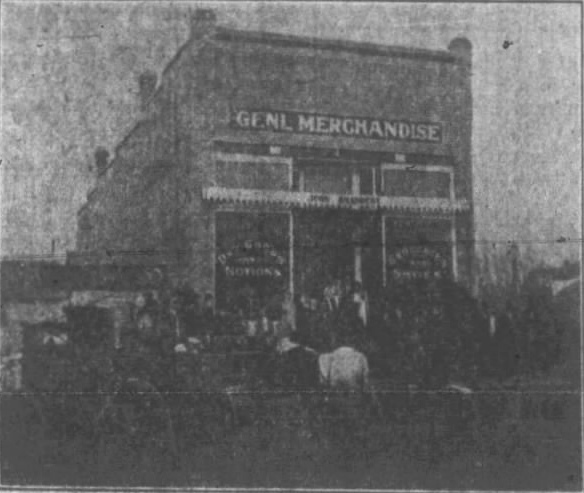
A photograph published in 1911 shows a crowd outside J. F. Brandert’s general store in Winslow. People stand close together in front of the storefront. The advertisement calls it a regular Saturday scene. It is a glimpse of a place built around the ordinary work of a country town: buying groceries, selling farm produce, collecting mail and meeting neighbors.[1]
That Winslow can be difficult to picture after the destruction of March 2019. But the village beside Hooper had stores, two banks, schools, churches, a hotel, a volunteer fire department and celebrations that drew its neighbors in. Its history stretches beyond the disaster—and continues beyond it.[2][3][4][5]
Winslow’s beginnings beside Hooper
Why did another town develop so close to Hooper? Winslow grew around a new railway route serving the surrounding farms. Its rural neighborhood was older, but the commercial village took shape in the early twentieth century.[6][1][7]
Hooper was the older town. Its centennial history places early settlement in 1866, the laying out of its townsite in 1871, and incorporation on October 16, 1876. By the time Winslow’s name and building lots appeared in the newspapers in late 1905, Hooper had been an incorporated community for nearly thirty years.[8][9][6]
| Milestone | Hooper | Winslow |
|---|---|---|
| Early neighborhood | The centennial history traces settlement to 1866. | Farming and rural congregations preceded the village; Clark Creek worship began in 1874. |
| Townsite development | Laid out in 1871. | Name announced in November 1905; lots offered from December 18, 1905; railway and business development continued in 1906. |
| Incorporation | October 16, 1876. | May 28, 1909. |
| Railway shown in 1915 | Chicago & North-Western. | Chicago, Burlington & Quincy. |
Winslow’s development unfolded in stages: a farming neighborhood and rural congregations first, then a railway townsite, and finally an incorporated village in 1909.[10][6][9][11]
Two neighbors on different railroads
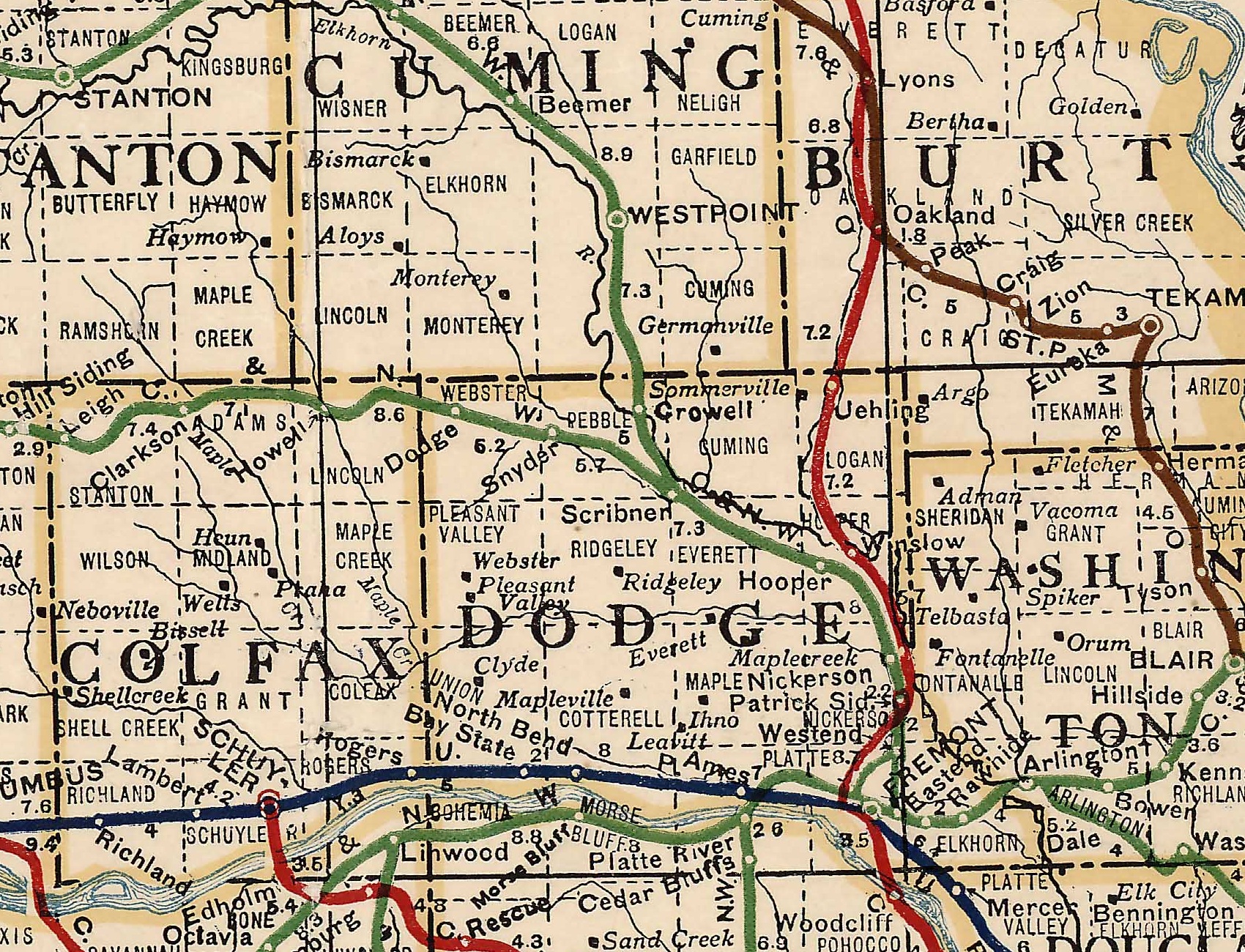
Hooper and Winslow were close neighbors, but they occupied different places in the railway network. Nebraska’s official 1915 railway map shows Hooper on the Northwestern route and Winslow on the Burlington route. A station on the new line could give surrounding farms a shipping point of their own, even with an established town nearby.[7][1]
The older railroad noticed the competition. In May 1905, the Scribner News reported that Northwestern railroad circles regarded the proposed cutoff as an intrusion into their territory. The paper mentioned discussion of a Hooper–Oakland connection to the Omaha road to shorten the Lincoln–Sioux City route.[12]
The new Sioux City–Ashland cutoff was part of a much larger connection. In October 1905, a report reprinted in the Scribner Rustler described plans for the Great Northern to finish construction and build terminals at Sioux City, while the Burlington would operate the cutoff and the two railroads would share the terminals. That explains why both railroad names appear in accounts of Winslow’s beginnings.[13]
The Burlington’s own president, George B. Harris, later explained the commercial value of the route in the company’s 1908 annual report. Its favorable grades reduced the cost of moving traffic. Grain from the Missouri Valley could travel through Sioux City and over the Great Northern to Minneapolis; cars could then carry flour to Chicago and merchandise westward. Winslow’s railway belonged to that broader movement of agricultural goods.[14]
A 1911 account gives an especially useful local explanation. The Fremont Tribune recalled that Winslow had initially looked promising as a shipping point, while its prospects as a trading town were less certain and some businesspeople hesitated. By 1911, the paper identified its principal trading territory to the north and east, extending into Washington County. Winslow’s customers therefore came from a farming area beyond the short stretch of road separating it from Hooper.[1]
A new station, a different rail connection and the surrounding farms gave Winslow a role of its own beside the established town of Hooper.[1][7]
A townsite takes shape, 1905–1909
The farming neighborhood was older than the village. The Clark Creek congregation, later part of Winslow’s church life, traced its beginnings to meetings at the Wolf schoolhouse in 1874. Winslow’s commercial townsite emerged much later, alongside the new rail connection between Sioux City and Ashland.[10][6]
On November 16, 1905, the Scribner Rustler announced the names of two new towns on that extension: Winslow and Wann. Winslow was the first new town north of Fremont. A representative of the development company said the sites would be surveyed that week and lots offered soon. The newspaper reported that the names had been chosen to avoid duplicating other town names.[6]
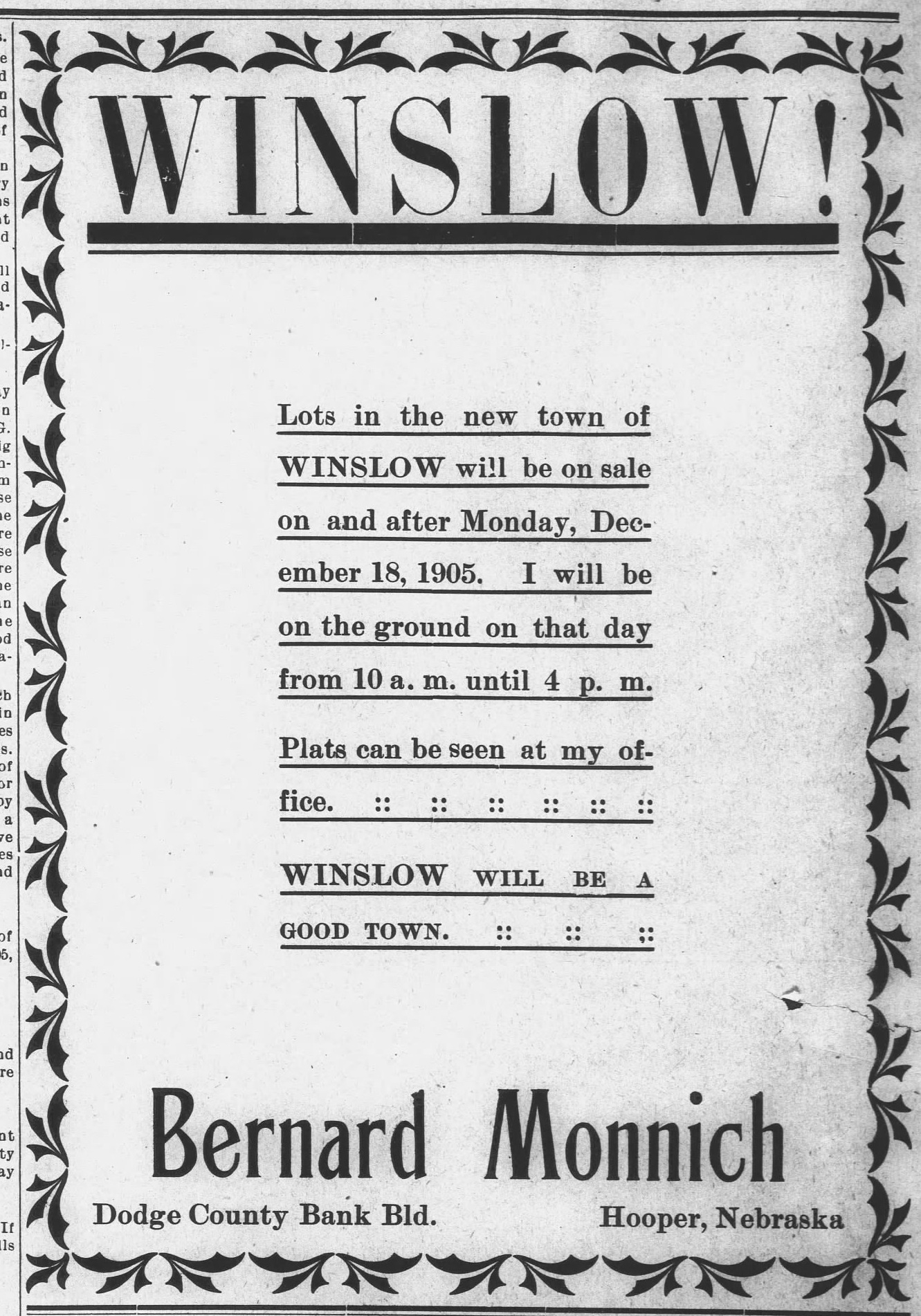
Within a month, Winslow was being marketed from an office in Hooper. Bernard Monnich’s advertisement in the December 14, 1905, Hooper Sentinel announced that lots would be offered on and after Monday, December 18. He would be at the townsite from 10 a.m. to 4 p.m.; prospective buyers could examine plats at his office in Hooper’s Dodge County Bank Building. The same issue reported that F. B. Hutchens, secretary of the townsite company for the Sioux City–Ashland line, had visited Hooper and arranged for Monnich to sell the lots.[9]
Monnich was already an established Hooper businessman. His biography in the 1921 county history dates his business career there to 1891 and his entry into real estate to 1897. As Winslow’s townsite agent, he helped connect the new development with people and businesses in the surrounding area.[15][9][16]
The railway was the Great Northern–Burlington project advertised locally as the Sioux City–Ashland line. The 1921 county history identifies the route through Fremont, Nickerson, Winslow and Uehling with the Chicago, Burlington & Quincy. Its account, drawing on an engineer’s correspondence, dates construction to 1905–1906. This was a different route from the older railroad through Hooper.[16][17]
The line began carrying trains in stages during 1906. Engineer A. H. Hogeland’s account, reproduced in the county history, dates Great Northern operation between Sioux City and Walthill to January 2, 1906, and Burlington regular trains at the southern end to April 8. Track from the two directions joined between Walthill and Rosalie on June 13. A contemporary railway reference independently reports that the 103-mile Sioux City–Ashland extension was completed in June 1906 and operated by the Burlington.[17][18]
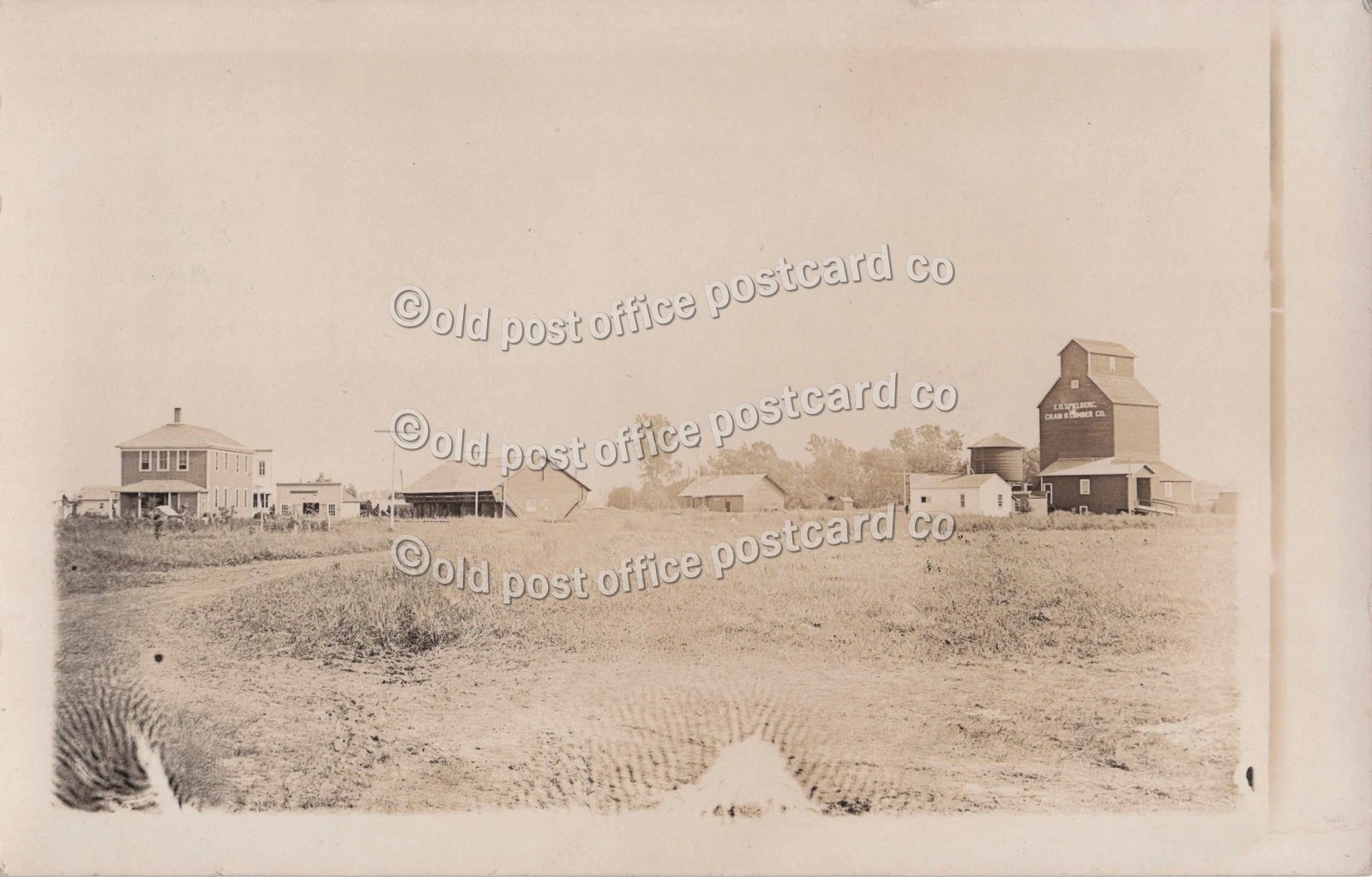
The early postcard above preserves the railway setting: the small depot, an elevator and neighboring businesses.[19]
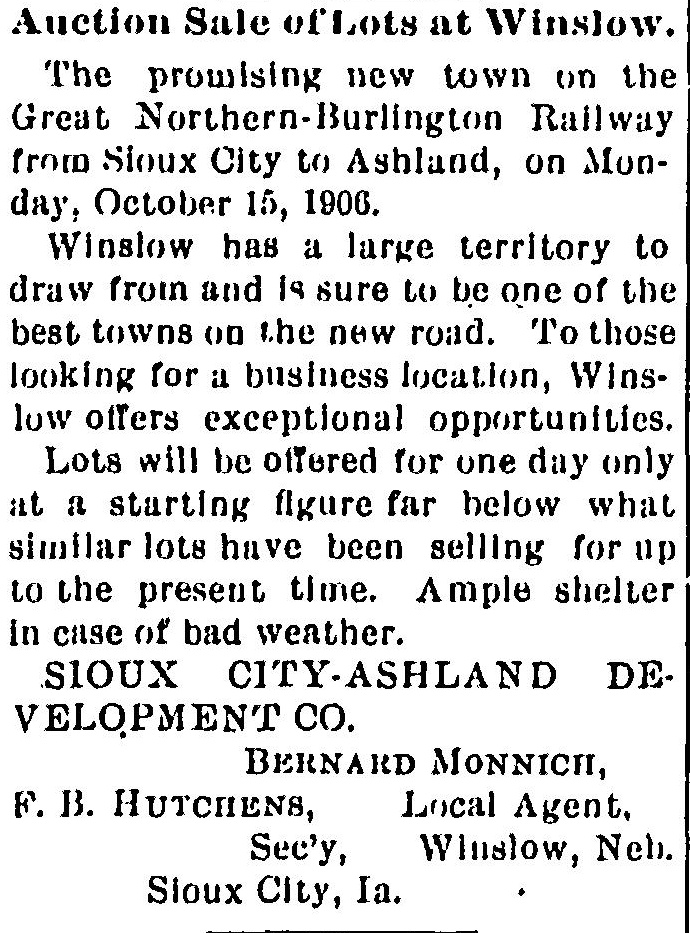
In October 1906, the Sioux City–Ashland Development Company advertised an auction of Winslow lots for October 15. Bernard Monnich was its local agent. The advertisement invited buyers to choose business locations and promised shelter if the weather was poor.[16]
Selling the townsite continued into 1907. A June 6 advertisement offered the remaining unsold lots at a June 10 auction, with reduced prices and easy payment terms. It promoted openings for a general store, drugstore, physician, hotel, livery, butcher, contractor, painter and millinery business. W. E. Kaufman, Monnich and auctioneer Col. W. E. Hice were named in the arrangements, and the Fremont Concert Band was advertised. The archive labels this page 1906, but the issue’s printed front-page date identifies it as June 6, 1907.[20]
A Hooper Sentinel report reprinted in the Scribner News on June 21, 1907, supplies actual sale results: thirty-six lots brought between $40 and $251. The crowd was sizable, but bidding was slow enough that the auctioneer had to encourage it. Most buyers, the paper said, were farmers in the area served by the new town. The report illustrates local investment as well as the difference between promotional enthusiasm and the work of finding buyers.[21]
Winslow became an incorporated village on May 28, 1909. The Fremont Tribune reported the county board’s action that same afternoon. Incorporation gave the growing settlement a village government; it was a separate milestone from surveying land, opening stores or operating trains.[11]
The townsite and incorporation dates
Some later histories use 1895, the date also printed in the 1921 county history’s plat list, while that book’s Winslow narrative gives 1906. Contemporary newspapers document the town-name announcement and lot offering in 1905, development in 1906–1907 and incorporation in 1909. Those dated records provide the chronology followed here.[2][6][9][16][20][11]
What people came to Winslow to do
A train stop made Winslow useful to the surrounding farms. Grain, livestock, lumber, coal and household goods moved through town, and businesses supplied the people bringing that trade. The February 1911 Tribune described a place that had grown from a hay meadow into a trading center. Its review listed elevators, coal yards, a hotel, millinery, harness and hardware shops, general stores, banking, a drugstore, a pool hall and restaurant, agricultural implements and automobiles, a meat market, a cement works, a saloon, a livery, a blacksmith and an ice house.[1]
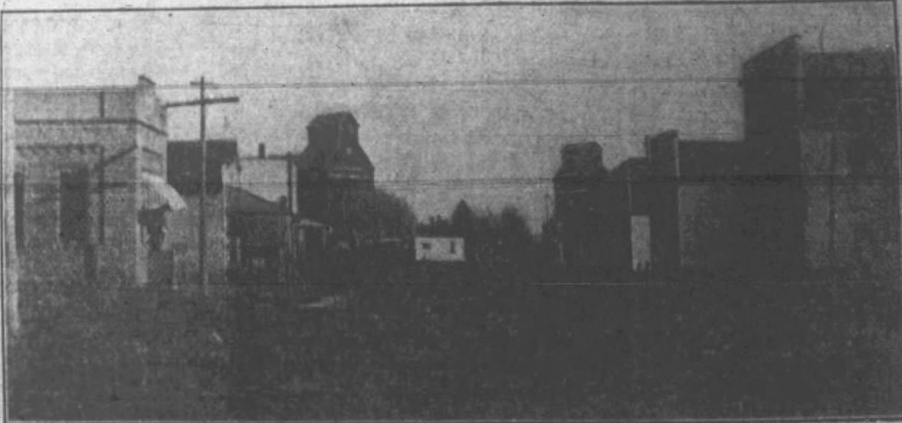
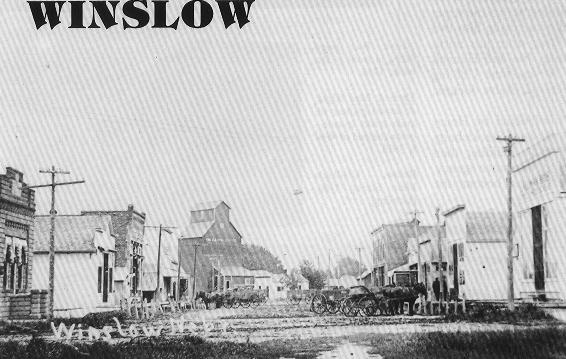
Advertisements, construction notices and residents’ recollections preserve the names of the people who kept those businesses running. The following accounts trace their work through the dates and details recorded in the sources.
Grain, livestock and the railway yards
The grain businesses had roots in Hooper. On January 12, 1906, the Scribner News reported that E. O. Spielberg of Hooper and the Nebraska-Iowa Grain Company had arranged to build elevators at Winslow. A March notice said the manager of Hooper’s Nye Schneider Fowler operation had resigned and would take charge of Spielberg’s Winslow elevator. Advertisements in 1911 and 1913 document Spielberg’s wider trade in lumber, coal, grain and hogs.[23][24][1][25]
The interest extended along the new railroad route. The February 15, 1906, American Elevator and Grain Trade reported applications to the Sioux City–Ashland Development Company for elevator sites along the cutoff. Applicants included the Hooper grain businessman whose name it printed as E. O. Speilberg, the Nebraska-Iowa Grain Company and A. McLean of Fremont.[26]
The Nebraska-Iowa Grain Company also handled supplies. In February 1908, its hardware stock was being inventoried under manager Charles F. Davis. Its March 1, 1913, advertisement offered grain and coal and named Fred Newton as manager. The 1921 county history’s list of businesses in 1920 records the Nebraska-Iowa Grain and Coal Company and says that Winslow’s grain firms also sold lumber. Those manager names describe the business at different dates.[27][25][2]
The 1920 business list includes the Farmers’ Union Co-operative Association’s elevator. Cooperative trade was also part of the village’s later life: the July 1995 newspaper account named a Farmers Co-op among Winslow’s remaining businesses.[2][28]
Agricultural trade also included E. M. Fletcher, a cream buyer named in the 1920 business list.[2]
Herman Lallman later recalled railway stockyards along with lumber, coal and livestock businesses. The March 1913 newspaper review reported hundreds of carloads of railway business, with grain and livestock prominent. Those figures cover a railway-reporting period ending in 1912.[29][25]
Stores, hotel meals and a place to stay
J. F. Brandert’s general store was expanding by February 1908, when the newspaper reported added floor space, showcases and counters. Its large February 1911 advertisement called it the Daylight Store; an accompanying photograph shows the storefront and a Saturday crowd gathered outside.[27][1]
The Spielberg name appeared in retailing as well as agricultural trade. An August 1907 notice announced incorporation of the E. O. Spielberg Company to conduct a general-merchandise business in Winslow.[30]
Herman Lallman explained what happened next in an interview preserved in Hooper’s 1976 centennial history. He arrived in Winslow in 1911, worked for Spielberg for a year and then joined his brother Will in buying the grocery business. Lallman Brothers sold groceries, piece goods, overalls, work and dress clothing, hats and caps. Their March 1913 advertisement promoted spring dress goods, and the brothers appear in the 1920 business list.[29][25][2]
Another general-merchandise dealer in that business list was C. J. Kruse. Lallman’s interview remembers Claus Kruse’s grocery and general store among the village’s businesses.[2][29]
H. P. Weitkamp’s hardware and furniture business brought several construction projects. In November 1908, a two-story brick building was under construction for hardware stock he had purchased. In February 1911, the Tribune described plans for a brick furniture store adjoining the existing brick store on its west, as well as a rear hardware addition. A May notice reported furniture-store construction, and the 1920 business list records Weitkamp in hardware and furniture.[31][1][32][2]
Customers also needed meals and lodging. In February 1908, Bullock’s hotel served 57 people at dinner on a Monday, nearly as many the next day, and accommodated about twenty on Tuesday evening. The proprietor had needed extra help. That November, the newspaper discussed a proposal for Bullock, landlord of the Winslow hotel, to use rooms above Weitkamp’s new hardware building.[27][31]
Lallman’s interview also records Mrs. Gately’s restaurant. He remembered Jim Gately’s wife serving meals in a house a block south of his store.[29]
Making blocks, shoeing horses and hauling goods
One manufacturing business arrived physically from Hooper. In November 1908, the Hooper Sentinel reported that the Builders Brick Manufacturing Company had sold its cement-block plant to Edwin Edelman and Ferdinand Hirch, as the second name was printed. The buyers had moved the plant to Winslow and purchased a site, where they planned cement buildings for manufacturing cement blocks.[33]
Blacksmith records preserve several familiar names. Lallman remembered Jim Gately’s shop. In March 1913, H. M. Wittmann advertised himself as Gately’s successor and offered horseshoeing and wagon work. The 1920 business list names Chris Martinsen as the village blacksmith; Lallman later recalled Martinsen buying Gately’s shop.[25][2][29]
Farm visits also sustained a livery business. Lallman recalled Seelmeyer’s livery barn, where farmers could feed their horses while visiting the hotel. The 1920 business list names Fred Borcherbing in livery and draying.[29][2]
The 1911 review adds smaller trades to this picture: millinery, harness, a meat market, agricultural implements and automobiles, and an ice house. Its construction account associates Gustav Minnig with meat-market and ice-house improvements.[1]
The post office, drugstore and places to gather
Postal errands and shopping once shared a business. The May 1911 newspaper reported new lockboxes at the post office. By March 1913, the Post Office Drug Store advertised medicines, stationery and wallpaper, with a soda fountain expected soon. The 1920 business list names O. R. Marks as both postmaster and seller of druggists’ sundries. Lallman recalled Kaufman preceding Marks in the combined drugstore and post office.[32][25][2][29]
The short distance to Hooper affected another business proposal. In July 1906, the county board considered a Winslow saloon-license application from Ed Ruwe and Henry Clausen. The Scribner News reported that the board lacked authority to grant it because Winslow stood within two miles of Hooper’s corporate limits. A saloon later appears among the businesses in the 1911 Winslow review.[34][1]
The same 1911 review recorded a pool hall and restaurant. By the 1920 business list, Henry Kruse was listed with soft drinks and a pool hall.[1][2]
Homes built alongside the businesses
Investment in Winslow also meant places to live. The March 1, 1913, Tribune review pictured and named the William E. Kaufman residence. It described new houses in the village and improvements on nearby farms, showing that growth extended beyond the storefronts.[25]
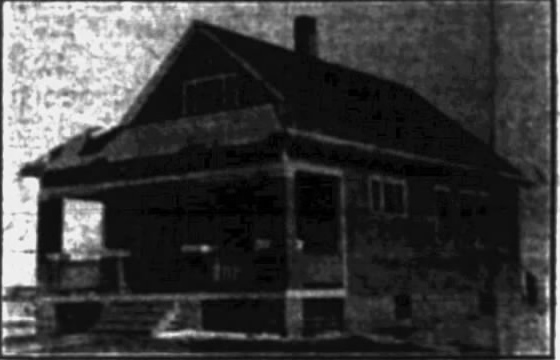
Its list of residential improvements included an E. O. Spielberg Company house built as an investment and a P. B. Ferguson cottage. Alongside Kaufman’s photographed home, these projects show the housing being built as the village grew.[25]
Winslow’s banks and the 1916 robbery
Building Winslow State Bank
A bank was being planned almost as soon as lots went on sale. On December 21, 1905, the Hooper Sentinel reported that an organization had been completed the preceding Saturday to establish a bank at the new town east of Hooper. It named G. W. Wolcott, Fred Wolf, W. C. Hartung, Julius Beckman and Bernard Monnich as the expected principal stockholders.[35]
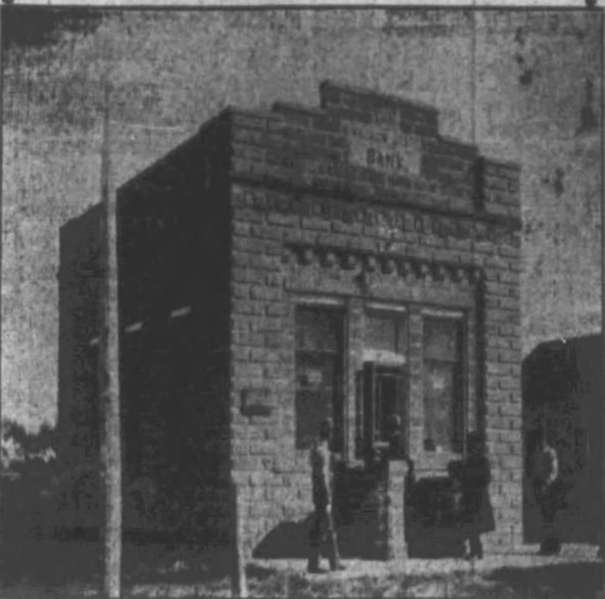
Winslow State Bank’s early dates refer to different steps. The county history traces its establishment to December 1905. A contemporary notice in the Hooper Sentinel records its organization on August 11, 1906, with business to begin after a suitable building could be erected. The county history dates its charter to January 4, 1907, and describes a concrete bank building constructed in 1906 at a cost of $3,800. Photographs identify the bank facade in 1913 and 1916. An organization date, building date and charter date need not be the same.[36][37][25][38]
The hold-up and the pursuit
On December 8, 1916, the bank became front-page news. Two men arrived by automobile and held up assistant cashier Elmer Ruwe. Cashier George Voll had been nearby and attempted to get help. The initial Tribune report put the stolen cash between $6,000 and $7,000; it was breaking news, and later reports refined the accounting.[39]
The December 12 Fremont Tri-Weekly Tribune reported that the suspects had been captured near Winnebago and much of the money recovered. Its page combined reports of the pursuit, the capture and the men’s return to Fremont. That contemporary follow-up is important: a later anniversary account’s claim that the bandits and money were never found is contradicted by the original coverage.[38][28]
A second bank, followed by Depression-era change
A second institution, Farmers State Bank, organized on June 30, 1919, according to the county history, with H. P. Weitkamp as president and Roy W. Brown as cashier. For a village of Winslow’s size, the presence of two banks helps explain the amount of farming and commercial business passing through it.[36]
Banking changed sharply during the Depression. A January 1932 newspaper profile still promoted Winslow State Bank and named Emil Niebuhr as cashier. By September, the banking journal Commercial West reported that it was closed, efforts to reorganize it had been abandoned, and liquidation was planned. The village’s early growth had not insulated its institutions from the economic troubles of the next generation.[40][41]
Garages and engine repair
Schmidt & Son
The 1921 county history’s list of Winslow businesses in 1920 names Schmidt & Son’s garage. Henry Schmidt’s obituary, published January 7, 1960, recalls his arrival in Winslow about forty-five years earlier, his garage business and his later work for the village.[2][42]
Fred Schurman and Leonard’s Garage
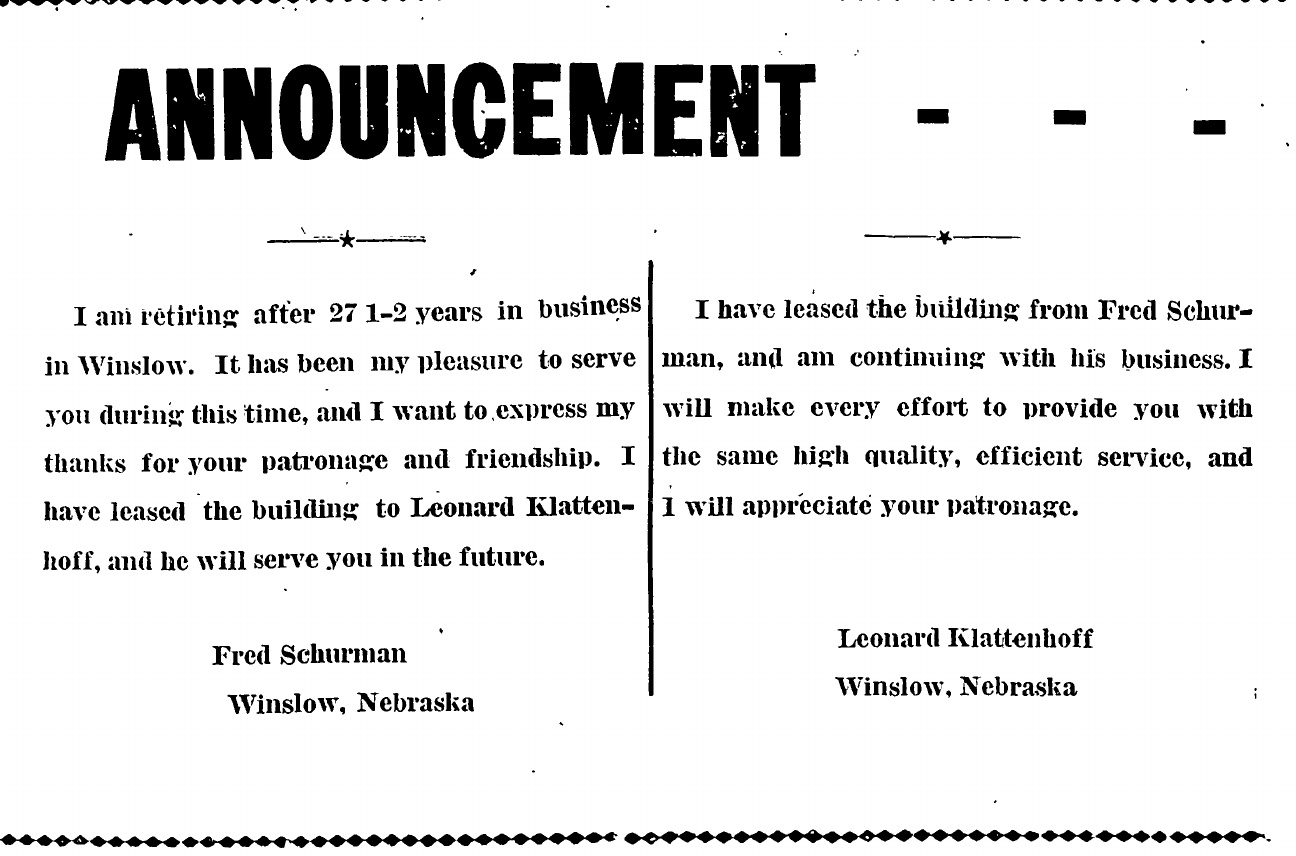
On March 15, 1962, the Hooper Sentinel reported Fred Schurman’s retirement after 27½ years in business in Winslow, specializing in Briggs & Stratton engine repairs. He leased his building to Leonard Klattenhoff, who had previously been located at the Farmers Co-Op in Winslow. Their adjoining signed announcements confirmed that Klattenhoff would continue the business.[43]
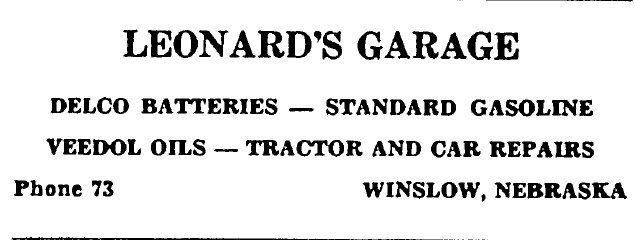
By August 1962, advertisements named the business Leonard’s Garage. It offered tractor and car repairs, Delco batteries, Standard gasoline and Veedol oils. This gives a concrete picture of the services Winslow residents and nearby farmers could obtain there.[44]
Leonard’s 1998 obituary describes a Winslow garage business repairing small motors and sharpening and repairing chain saws. He continued that work until retiring in 1989.[45]
Winslow’s own school: District 85, 1908–1977
Winslow had a public school of its own for generations. District 85’s story runs from its formation in 1908 to its closure in 1977, with teachers, pupils, school programs and decisions that involved the whole village. During part of that history, its instruction extended through tenth grade.[22][46][47][48]
Creating a school near home
In early 1908, Winslow had about twenty children of school age, and the nearest schoolhouse was a long trip away. A February 29 Fremont Tribune report described a petition from voters in existing Districts 20 and 43 to create a new District 85. There was opposition as well as support for the proposed local school.[27]
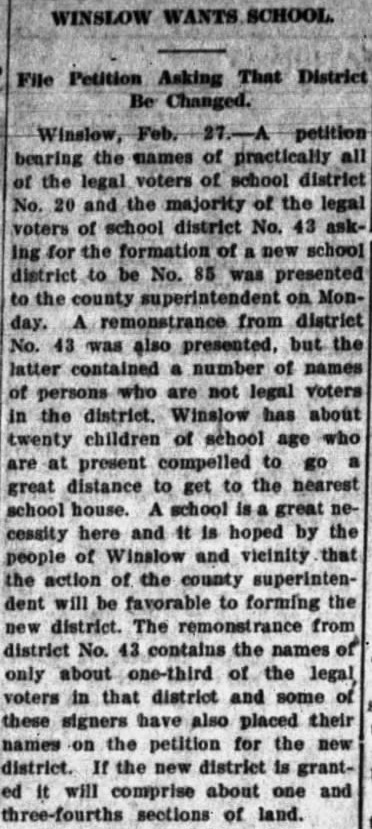
Mary M. Darnell’s history of Winslow in Nebraska…Our Towns records the result: District 85 formed in 1908 from the northern portions of Districts 20 and 43.[22]
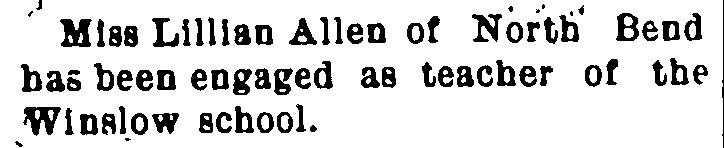
The newspapers soon supply a teacher’s name. On September 9, 1909, the Hooper Sentinel reported that Lillian Allen of North Bend had been engaged to teach at Winslow. In November, the Winslow column described her trip to a teachers’ institute in Lincoln. Her resignation was reported at the end of December. These notices give a glimpse of the people teaching in the young district.[49][50][51]
The schoolhouse also served the wider community. Winslow’s Sunday School children announced a Christmas program there in December 1909; the following week’s paper reported a large attendance. By February 1911, the Tribune described the schoolhouse as the village’s place for public entertainments.[52][51][1]
Public and church schooling were separate parts of village life. The 1913 annual review described the public school system and a Lutheran school where twenty-five pupils studied in German and English, alongside common-school subjects. The Lutheran congregation’s school belonged to its own church history.[25]
More than an elementary school
School boundaries mattered to families and taxpayers. In March 1929, county officials ordered a quarter section transferred from District 43 to District 85. John H. Ruwe and George Wenke challenged the change. In 1931, the Nebraska Supreme Court affirmed the judgment invalidating the transfer and its enabling statute. This was a dispute over enlarging an existing district, more than twenty years after District 85’s formation.[53]
The May 19, 1932, Hooper Sentinel announced eighth-grade graduation, a patrons’ picnic and an evening program at the Evangelical church. Ninth-grade pupils were scheduled to present plays. The paper singled out eighth grader Hilda Krohn as one of the county’s two highest-ranking pupils in her grade.[54]
Official state directories confirm the extent of the program. The 1934–1935 and 1940–1941 editions of the Nebraska Educational Directory classify Winslow as approved to collect tuition for two years of high-school instruction, covering the 1933–1934 and 1939–1940 school years respectively. The earlier directory names C. W. Myers; the later one names Alice M. Oetting. Both record two teachers.[46][47]
The 1940–1941 directory also reports the previous school year’s average daily attendance: thirteen elementary pupils and nine high-school pupils. Those are attendance figures, rather than a count of everyone enrolled, but they show both levels of schooling operating in this small district.[47]
Individual lives show how Winslow and Hooper schools were connected. Norma Krohn Schole attended District 85 through eighth grade before graduating from Hooper High School in 1933. Orletha Alma Katt attended Winslow through tenth grade and graduated from Hooper High in 1948, according to their obituaries.[55][56]
High school could mean a considerable journey for other nearby children. Herman Lallman recalled Uehling pupils riding the train to Winslow, walking roughly two miles to Hooper High School, and returning to catch the afternoon train. The railway ride was only part of their school day.[29]
Teachers and two busy classrooms
One teacher’s career connected decades of Winslow children. Hattie Joy Houtby taught in Winslow for twenty years before moving to Morse Bluff in 1964, according to Joan Hruza’s contribution to the 1983 Saunders County history. Contemporary Winslow school reports also name her among the teachers.[57][58][59]
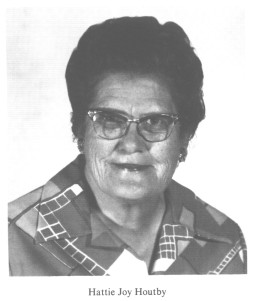
Keeping the school running required practical decisions about classroom equipment. A July 1953 report recorded twenty-five pupils and a vote to buy twelve new desks for the lower room. The September 1954 opening report counted twenty-eight pupils and named Mrs. Duane Boschult and Hattie Houtby as teachers.[60][58]
A later enrollment report gives a busier picture of the classrooms. The September 24, 1959, report listed forty-seven pupils: twenty-eight in the lower room and nineteen in the upper room. Its roster covered kindergarten through eighth grade and included eleven children from District 15. The teachers were Hattie Houtby and Helen Brandt.[59]
Programs, picnics, music and field trips
School events reached beyond the classroom. In December 1958, pupils presented their Christmas program at the Firemen’s Hall. The school and the village’s gathering places were closely connected.[61]
In May 1959, the children held a Mothers’ Tea, presenting corsages and ivy planters. A bicycle-safety program included films shown by Curtis Cochran. The upper room traveled to Columbus, while the lower room visited Hillside Dairy in Uehling. These reports preserve the ordinary experiences that rarely appear in a list of school opening and closing dates.[62]
Music and play had their place too. In May 1960, the paper reported that Winslow’s rhythm band had performed at a rural-school music festival in Fremont, with Charles Wagner at the piano. That August, the Hooper Lions Club supplied two basketball goal posts. In 1961, Winslow played baseball with Immanuel Lutheran School. The following spring, pupils in grades four through eight traveled by bus to Lincoln with their teachers.[63][64][65][66]
The final spring, 1977
Regional schooling changed while the village classrooms remained open. Hooper’s 2026 anniversary history includes Winslow among the communities feeding the 1968 consolidation that led to Logan View. Winslow’s local school continued into the following decade.[67][48]
On May 7, 1977, Fremont Tribune reporter Pat Waters described sixteen pupils—eleven girls and five boys—at the two-room District 85 school. They had finished the term the preceding day, the first Dodge County school to dismiss for summer. Residents had voted through a petition drive to close it and send their children to Hooper. Waters said it probably would not reopen in the fall; the later county survey records its 1977 closure.[48][68]
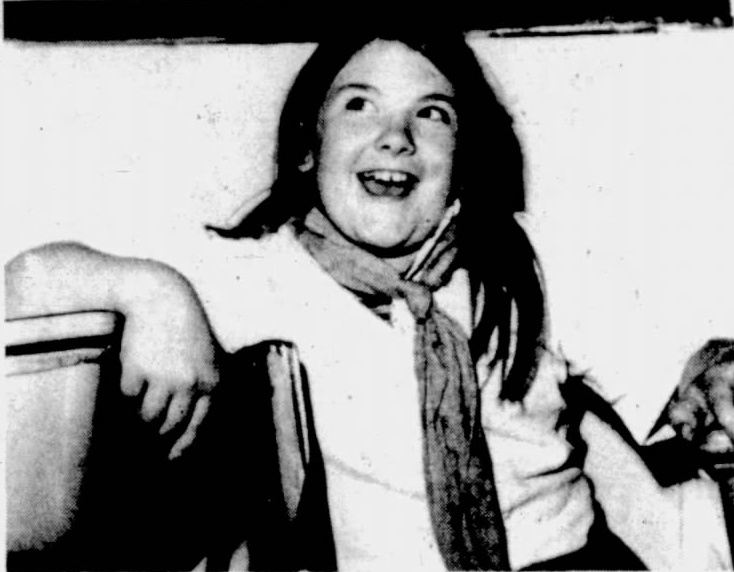
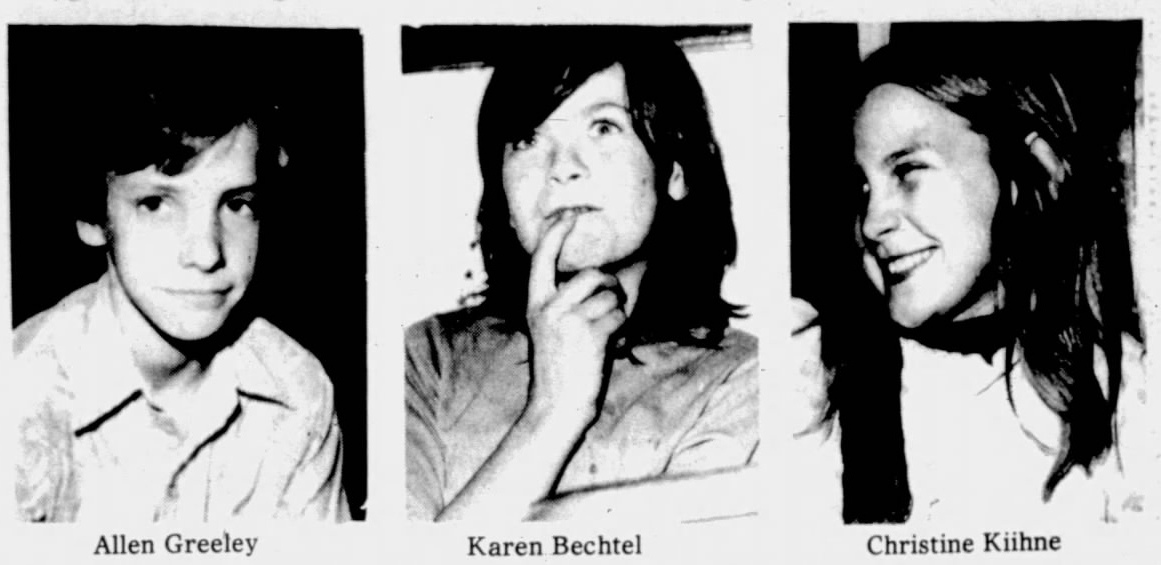
The final week still included familiar school traditions. Pupils took part in the county track meet and picnic at Logan View Junior-Senior High School. Teachers Gary and Mary Johnson also sponsored a school picnic and invited the whole town. The newspaper’s pupil photographs preserve some of the faces behind the final enrollment count.[48]
After the classrooms closed
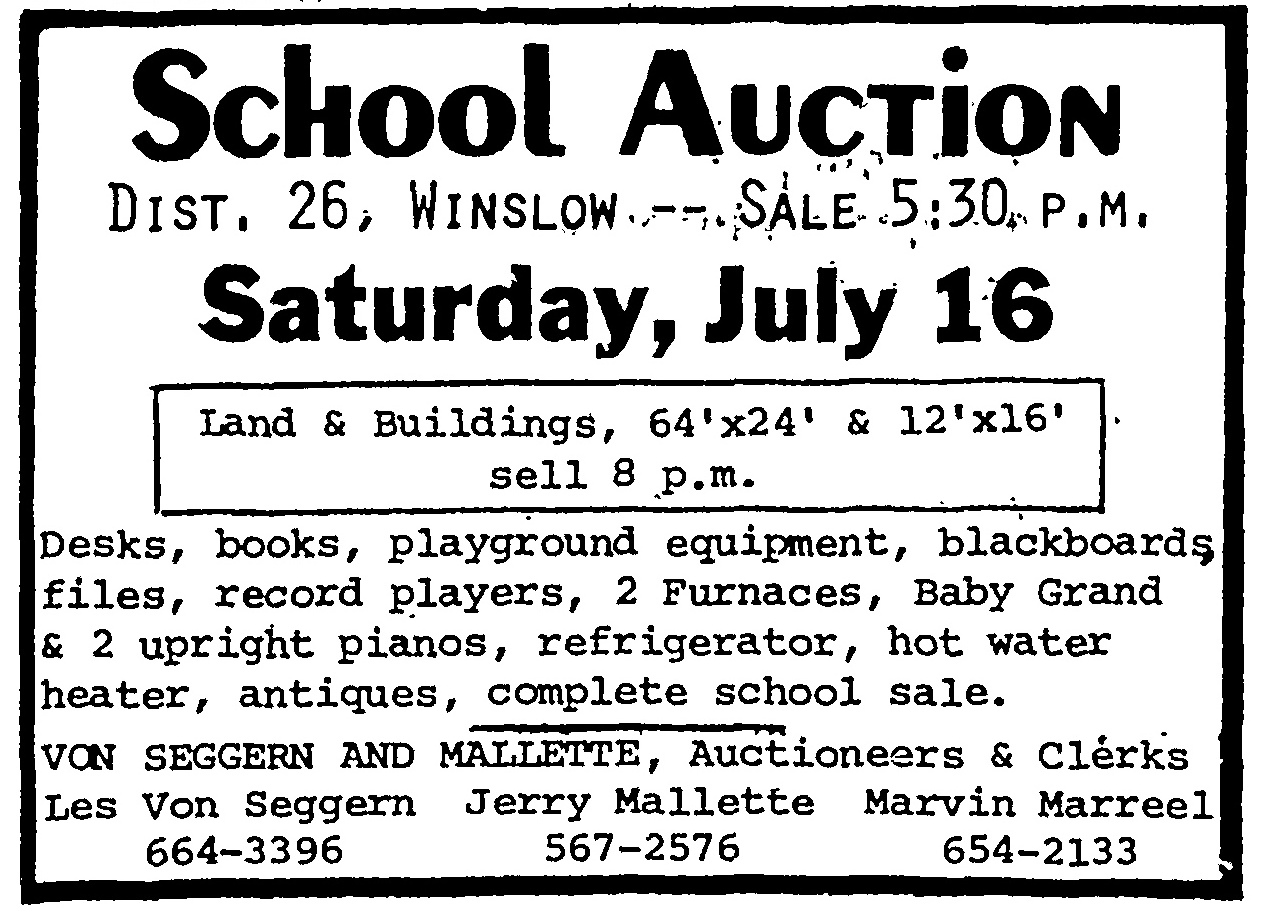
The July 13, 1977, Scribner Rustler advertised a school auction in Winslow for Saturday, July 16. The notice offered land and two buildings, measuring 64 by 24 feet and 12 by 16 feet, at 8 p.m., after an earlier equipment sale. Desks, books, playground equipment, blackboards, two furnaces, a baby grand piano and two upright pianos appeared in the listing.[69]
Darnell’s later local history records a new use for the school: Mike and Marie Williams remodeled it into a family home. During that work they found a 1938 teacher’s contract and bills from a Winslow hardware store. The school’s educational life had ended, but its building and traces of classroom history remained.[22]
Two church histories, with different beginnings
St. Paul’s Lutheran congregation
The February 1911 annual review names St. Paul’s German Lutheran Evangelical Church and says its building had been erected the previous year. Services were then held on alternate Sundays by a pastor from Washington County. In 1913, the paper described the local Lutheran congregation’s growth: a parsonage in 1911 and a school built east of the church in 1912, with the pastor teaching the pupils. Worship included German services and some English evening services.[1][25]
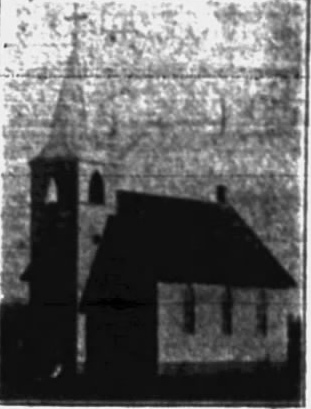
The photograph’s caption identifies St. Paul’s, as does the 1911 report. The 1913 article’s headline and text instead use St. John’s, an inconsistency in that newspaper page. The local histories identify St. Paul’s of Winslow and the rural St. John’s northwest of Hooper as separate congregations.[1][25][70]
In 1954, St. Paul’s of Winslow and the country St. John’s discussed a combined church in Hooper. St. Paul’s declined, and St. John’s continued its own plans.[70]
From Clark Creek to Winslow’s Evangelical church
The other story began before the railroad village. According to the 1976 centennial history, the Clark Creek congregation first met at Wolf School, District 14, in 1874, about six miles northeast of Winslow. It organized formally on January 31, 1877. A church was built in 1888 on land donated by Jacob Fauss.[10]
In 1925, the congregation voted to move to Winslow, where an American Sunday School Union Sunday school was already operating. The old country church was dismantled, and some of its lumber became the north wall of the new building. The Winslow church was dedicated on June 13, 1926. Moving involved both a change of place and the physical reuse of the congregation’s earlier home.[10]
The following spring, the Scribner Rustler announced the Dodge County Sunday School Association’s April 12–13, 1927, convention at Winslow’s Evangelical church. The program welcomed people across denominations, with music by the Winslow chorus, a visiting Scribner junior choir, teaching sessions and a stereopticon lecture. It shows Winslow serving as a meeting place for a countywide network.[71]
The local church history gives October 6, 1968, as the final service of the Winslow E.U.B. congregation before its merger into Faith United Methodist Church in Hooper. The 2026 anniversary book also identifies Winslow’s congregation among Faith’s founding groups. Its institutional life continued through that union even after services ended in the Winslow building.[10][70]
Village services, celebrations and shared spaces
Streets, firefighting and the first jail
Even before incorporation, residents were improving the streets. Winslow notes published in June 1907 described a temporary sidewalk from the bank to Brandert’s store and a nearly completed ditch at the western town limits intended to drain standing water after rain.[20]
Building a village meant creating shared services. In February 1911, the Tribune reported that Winslow had obtained a chemical fire engine: two forty-gallon cylinders on a two-wheeled vehicle that could be pulled by hand. Plans called for an 18-by-24-foot cement-block building on a town lot on Elkhorn Avenue, behind Winslow State Bank, to house it and include a jail. By May, the Rustler reported the new jail completed.[1][32]
Electric light and water
Electricity followed its own progression. In November 1911, the Rustler described William Brandert’s proposed generating plant, with the village providing poles and hanging lamps. By March 1913, the Tribune described a privately owned plant providing street lighting and nearly every building wired. It also reported waterworks and an opera house. These contemporary reports let us follow a plan into a later account of operating services.[72][25]
By November 1917, the Nebraska Gas and Electric Light Company was supplying Winslow and Oakland from its plant at Hooper. The county history published in 1921 records a later arrangement: by about 1920, Winslow received electricity from Fremont.[73][2]
Baseball visits and a Fourth of July invitation
The June 1907 Winslow column also brings the neighbors together on an ordinary Sunday: Winslow residents went to Hooper to watch its baseball team defeat an Omaha Union Pacific car-shop team. Others were listed as Sunday visitors in Hooper. The roads were receiving complaints, but the short journey between the towns was already part of their social life.[20]
For celebrations, Winslow looked outward. In June 1912, about a hundred Commercial Club members and neighbors took roughly twenty decorated automobiles through nearby towns to promote the Fourth of July. John Brandert drove the leading car. Commercial Club president Will Kaufman said the committee had raised $1,500 for the festivities. Hooper’s band traveled with the group and played on Scribner’s main street.[74]
The expedition linked Winslow with its neighbors through flags, music and personal invitations. It also came only a few months after the serious spring flood. The summer publicity is evidence of a community still investing energy in gathering people together.[74][75]
A park for the village
The 1995 historical account records Winslow’s purchase of a park from Henry Kuss for $400.[28]
Halls, performances and the Firemen’s Auditorium
Dances, theater and school programs
Winslow’s gathering places developed as the village grew. In February 1911, the Tribune reported that the schoolhouse was its only place for entertainments and that it lacked a dance hall. A proposed stock company had raised more than $1,000 toward a public hall and opera house. Other possibilities under discussion included village bonds or a privately built structure partly leased for public uses. By March 1913, the annual review listed an opera house among the village’s facilities.[1][25]
Herman Lallman remembered townspeople encouraging an additional story on Hirsch’s cement-factory building for dancing. Concerns about the building’s movement later restricted energetic dances.[29]
The 1995 anniversary story recalled school programs and performances held in a theater above a garage.[28]
A hall also appears in the everyday social notices. In December 1949, the Tribune reported a gathering at Winslow Hall for Mr. and Mrs. Henry Groene’s fifty-first wedding anniversary. In November 1952, St. Paul’s Walther League held an entertainment night at the Firemen’s Hall, with 175 people attending plays, music and a dramatic reading.[76][77]
The auditorium project, 1960–1962
On December 12, 1960, women organized the Town and Country Club to help the firemen’s building project. Its first officers were Wilma Samuelson, president; Lois Hagerbaumer, vice president; Arlene Way, secretary; and Doris Happel, treasurer. The new club planned monthly meetings and became part of the effort to finance and finish the auditorium.[78]
The April 13, 1961, Hooper Sentinel described the proposed building as a one-story structure measuring 40 by 80 feet. The chosen corner was then occupied by an old bank building, across the street from the H. H. Lallman General Store. Firemen Ed Samuelson and Wayne Luther were listed as donation contacts. The newspaper reminded Hooper readers that Winslow people had contributed to Hooper’s auditorium and invited support in return.[79]
Construction moved forward the following spring. By April 12, 1962, the men had laid the floor, and Town and Country Club members had agreed to feed the workers. A food sale was also planned at Winslow Town Hall. A July 26 report said the new auditorium’s shell was complete and usable, although the interior and furnishings remained unfinished. A benefit ice-cream social would help pay for that work.[80][81]
The August 2 follow-up described a crowded social in the new Firemen’s Auditorium. It identified a white-and-tan steel-frame building, still measuring 40 by 80 feet, with $6,706 spent toward an $11,000 goal. Plumbing, heating, wiring and windows were still to come. Wayne Luther, Ed Samuelson, Ralph Way, Otis Bartling and Leroy Stork served on the building committee. The fire department had raised $1,640, while the Town and Country Club had raised $525 plus the social’s receipts. The gathering showed that the hall was already bringing people together while work remained.[82]
Dances, village meetings and renovation plans
Later notices continue the record of community gatherings. A 1978 advertisement announced a celebration dance at Winslow Hall sponsored by the Barnyard Marauders. Village proceedings in 1997 and 1998 named the WVFD Auditorium as a meeting place. At an April 13, 1998, special meeting, the board approved applying for a Community Development Block Grant for auditorium renovation.[83][84][85]
Earlier floods: 1912, 1944 and 1960
1912: water in town and a lost railway bridge
The valley connected Winslow with farms and railroads, but it also exposed the village to high water. A photograph preserved in Hooper’s centennial history is captioned April 1, 1912, in Winslow. Water fills the foreground around the buildings.[86]
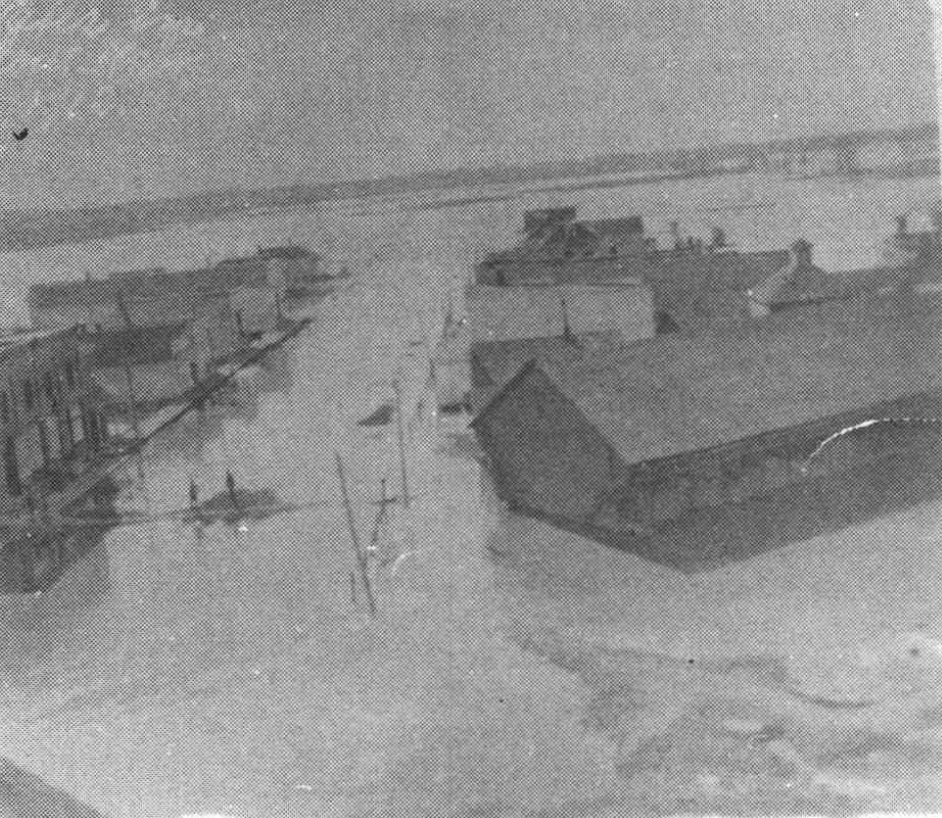
On April 3, 1912, the Fremont Tribune reported that the Burlington bridge over the Elkhorn near Winslow had gone out the previous night, after observers thought the danger of further damage had passed. Service north was expected to be interrupted for several days. Flooding could isolate a village economically as well as enter its homes.[75]
1944: another inundation
Winslow was badly inundated again in June 1944, according to the Scribner Rustler’s contemporary flood account. Readers can explore the wider disaster in Celebrate Hooper’s 1944 flood collection.[87]
1960: the entire village under water
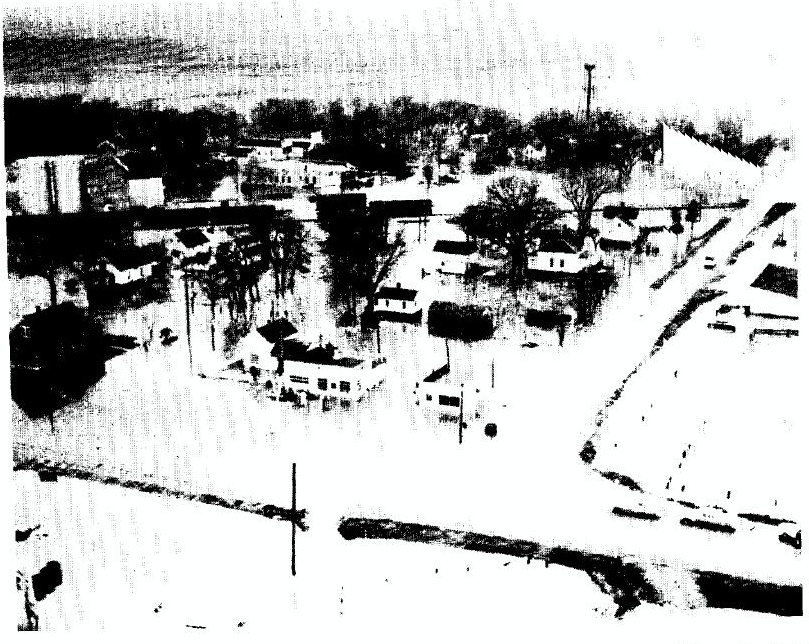
The 1960 flood left a particularly clear official record. The U.S. Geological Survey reported that the Elkhorn’s crest reached Hooper and Winslow on April 1 and that the entire town of Winslow was inundated. Its report includes an April 2 aerial photograph of the village and a map of the broad flooded area around both towns.[88]
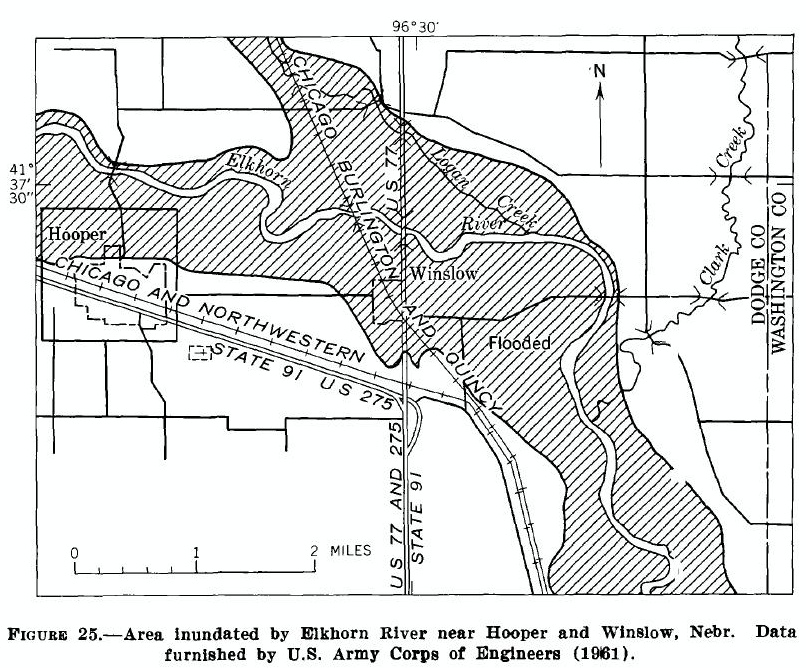
The map helps explain why a flood in Winslow was also a regional event. Water extended over roads, farms and the space between communities. An aerial photograph taken the next day shows the village’s streets and buildings surrounded by water.[88]
A smaller village, still a community: 1977–2012
The local school’s 1977 closure was one marker of a changing village. Consolidation and changes in rural business reshaped daily life, while residents continued to gather and maintain local institutions.[68][28]
The railway remained part of Winslow’s landscape well beyond its founding years. The Pacific Northwest Railroad Archive holds Al Christianson’s photograph of Burlington Northern locomotives 2233 and 2242 at Winslow on August 20, 1981. Readers can view that later railway photograph in the archive’s catalog.[89]
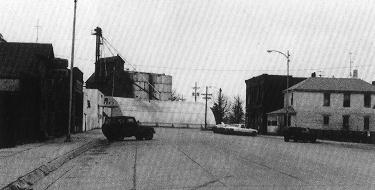
The 1994 historic-building survey recorded a population of 140 in 1990. In 1995, Winslow prepared a celebration that brought the wider community back to its streets.[68][28]
In July 1995, the Rustler-Sentinel announced a Founders Day celebration billed as Winslow’s centennial. The program included a firemen’s pancake feed, barbecue, waterfights, children’s games, bingo, a health fair and a street dance. Its account listed the Farmers Co-op, Corner Bar and The Bar, and a twenty-eight-member fire and rescue organization.[28]
The next week’s newspaper showed that the July 15 celebration had taken place. Layne Meyer and Dan Wobken worked the grills, and Hooper firefighters joined the waterfights. More than eighty years after the Commercial Club’s automobile tour, a Winslow celebration was still bringing neighboring communities together.[90][74]
July 16, 1997, liquor-license renewal notices give Main Street addresses for two Winslow bars: The Bar at 306 Main Street, with Steve or Dieseree Ranslem named as the licensees, and BW’s at 301 Main Street, with Darrell P. Witt named. Both addresses used Winslow, Nebraska 68072. “Dieseree” is the spelling printed in the notice.[84]
A visit before the flood shows that business changes were already reshaping the village. In September 2008, Tribune correspondent Dean Jacobs walked through Winslow and visited the post office. Former bar owner Richard Dorfmeyer told him that The Bar had closed two months earlier and the co-op was gone.[91]
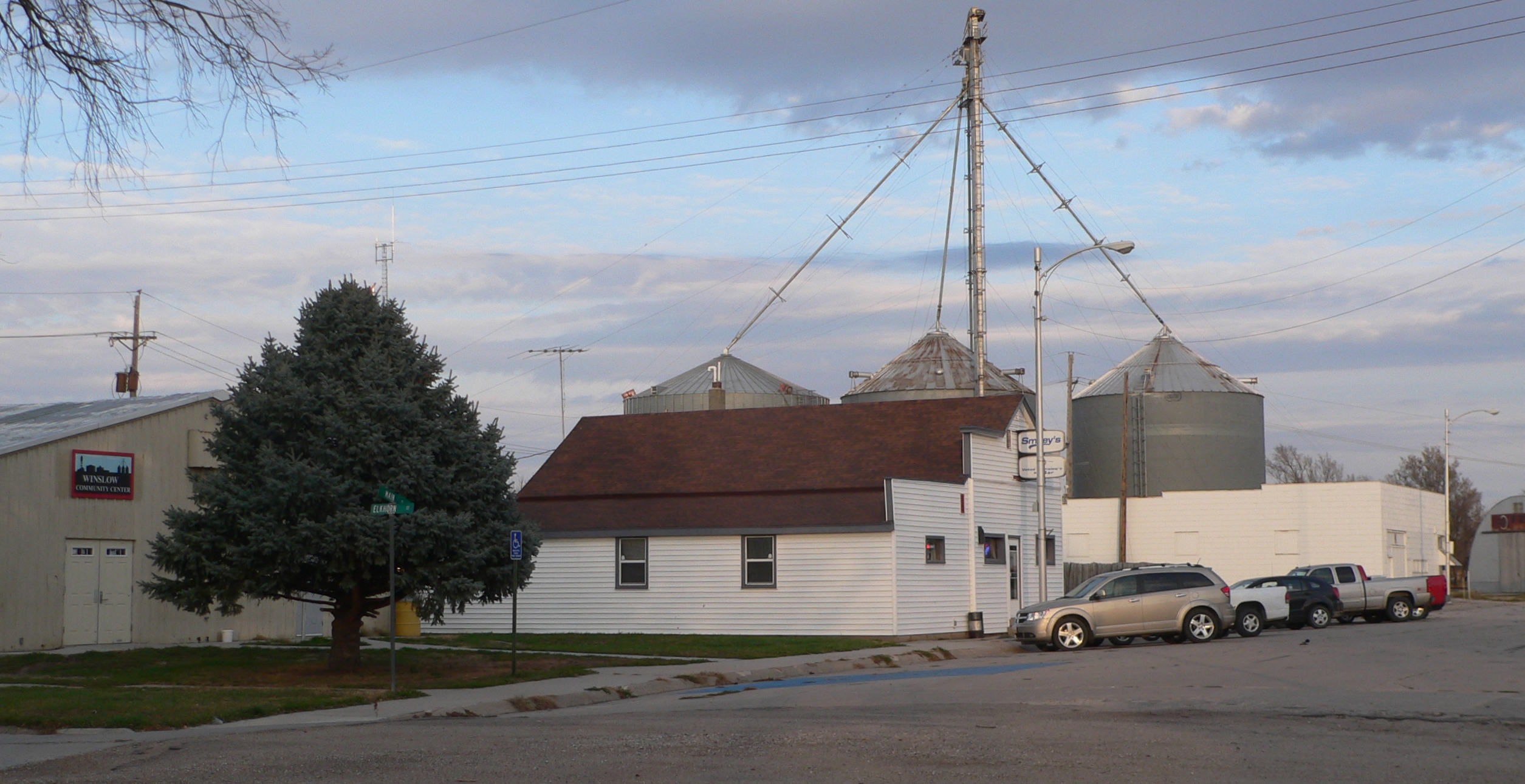
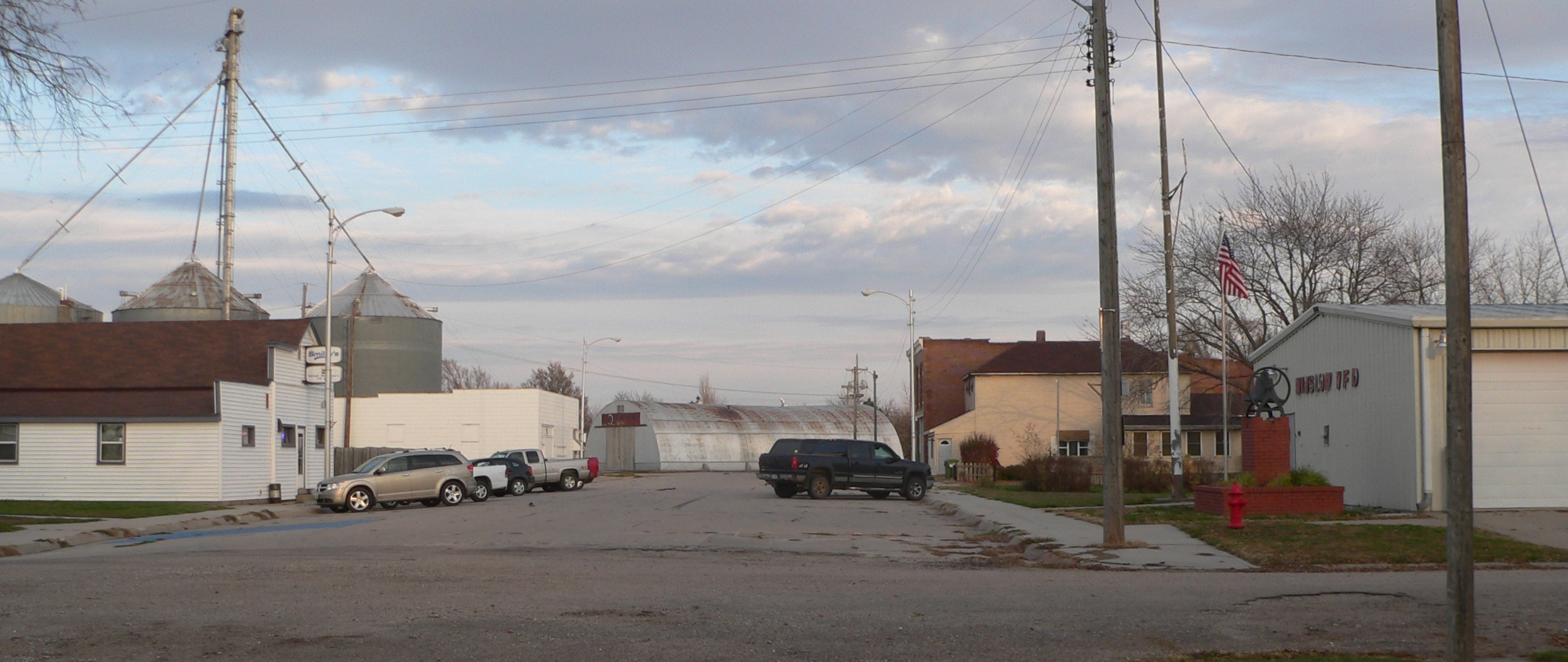
The 2010 Census counted 103 residents. Photographs taken on October 28, 2012, show Main Street before the devastating flood: the community center, Smiley’s, the fire department and neighboring buildings. These views are valuable because they record the recognizable, lived-in village that existed before the 2019 flood.[92][93][94]
March 2019: evacuation, loss and help arriving
On March 14, 2019, Winslow’s levee was compromised. The University of Nebraska–Lincoln’s account says the residents were evacuated. Later reporting adds the difficult sequence behind that broad description: volunteer firefighters went door to door, but the water eventually made further rescues unsafe. Stranded residents were advised by telephone to gather essentials and move upstairs while they waited.[95][96]

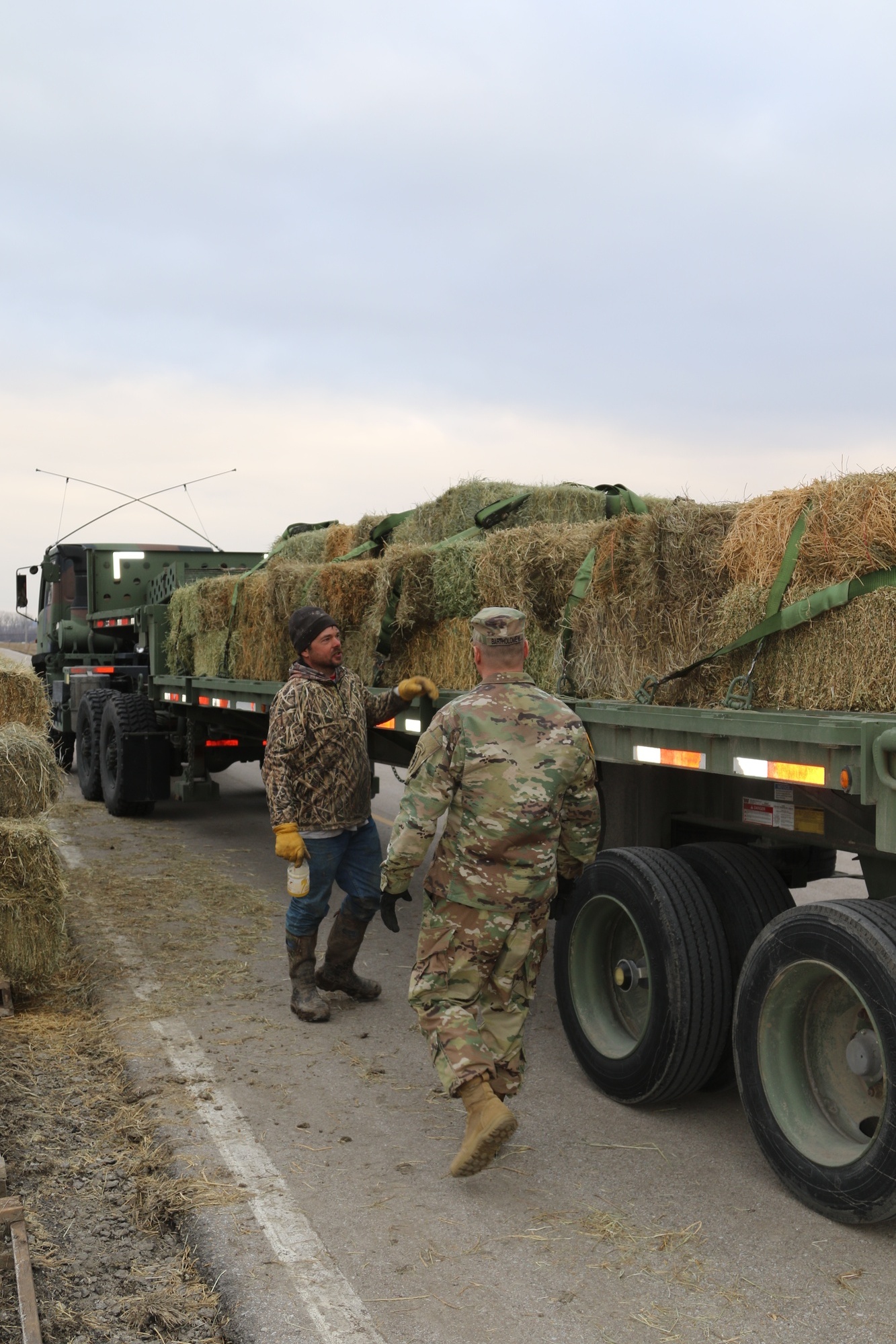
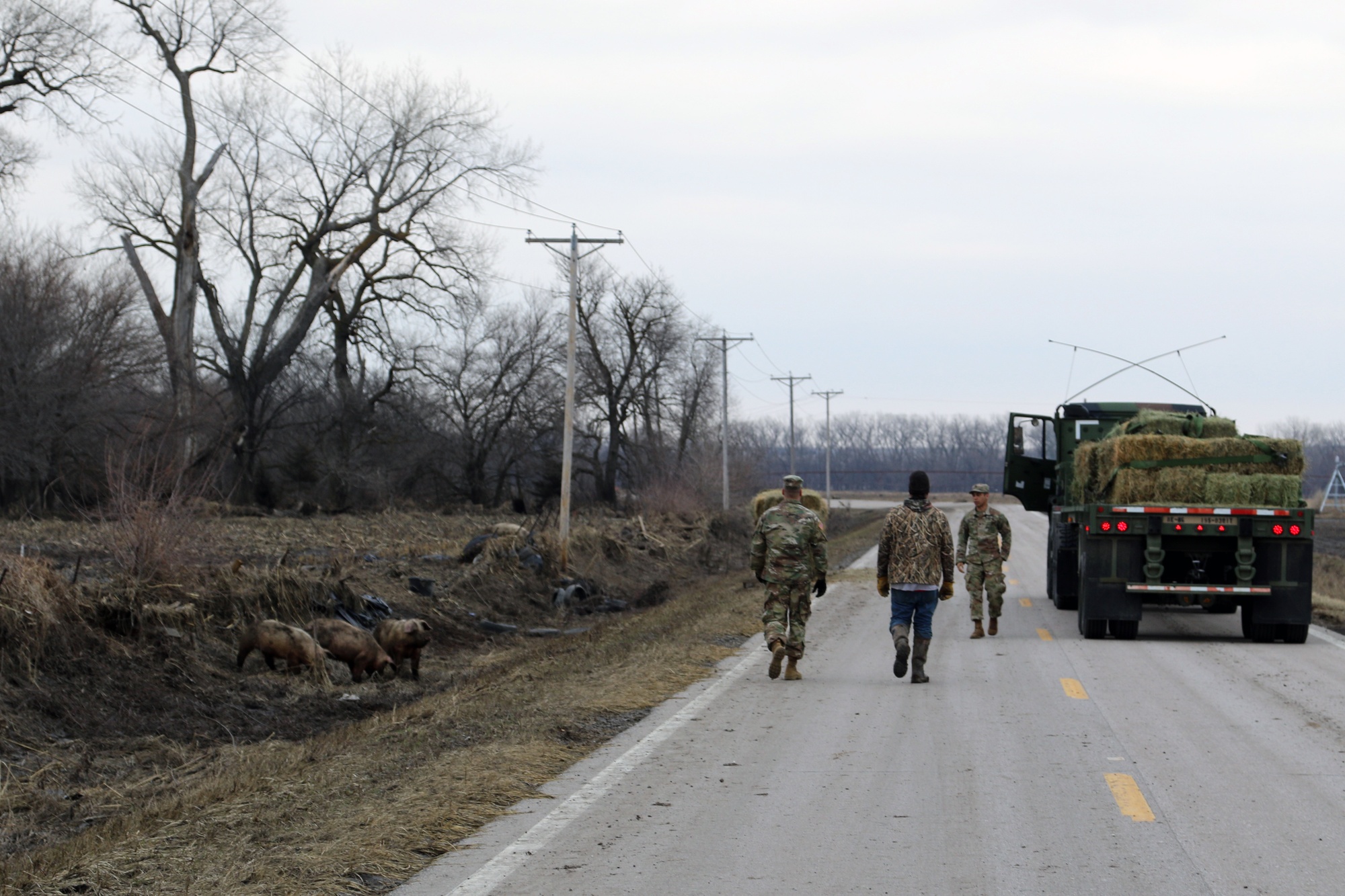
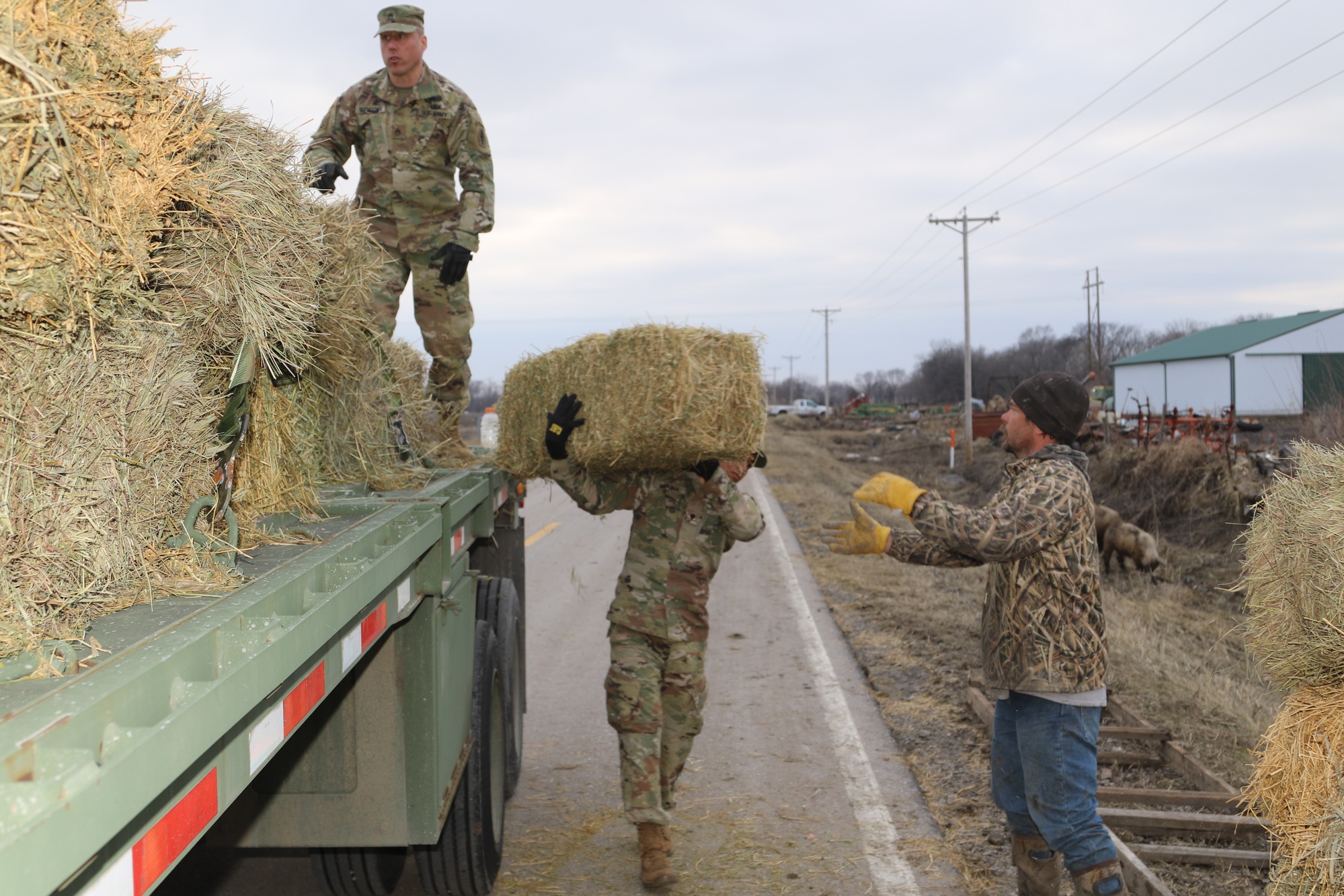
The damage extended into the agricultural community around the village. On March 25, Nebraska National Guard photographer Staff Sgt. Koan Nissen documented hay relief at Winslow. The original caption identifies farmer James Palmer and Staff Sgt. Jamie Bartholomew inspecting the feed after flooding had destroyed reserves for livestock. It is a record of practical assistance in the immediate aftermath.[98]
Recovery and the relocation proposal: 2019–2026
A proposed move and the choices facing residents
After the flood, village leaders worked with UNL planning students, Nebraska Extension and JEO Consulting Group to examine possible futures. By December 2019, one proposal focused on higher ground about three miles north, across a county road from the Logan View school complex. The appeal was understandable: residents might escape the floodplain while keeping their neighbors and a village identity.[95][97]
The 2020 Census counted 19 residents, compared with 103 in 2010. That sharp change documents the scale of the disruption.[92][101]
Moving a municipality required more than finding land. An early legal obstacle concerned annexing a site disconnected from the existing village. Nebraska’s LB1003, approved August 6, 2020, added authority for specified municipalities to annex noncontiguous land for relocation after catastrophic flooding, subject to conditions. The law opened a possible route for Winslow’s relocation proposal.[96][102]
Residents also faced different practical choices. Dodge County’s April 21, 2021, meeting minutes preserve objections to relocation and explanations that individual owners could accept or decline acquisition offers. Some residents questioned how proceeds from a damaged home could pay for a replacement. Remaining in a paid-off house and starting again with a new mortgage were very different decisions.[103]
Businesses lost more than a few weeks of trade. In a 2021 Nebraska Public Service Commission proceeding, Smiley’s said the flood had destroyed its business property and it was no longer providing its transportation service. The commission canceled its passenger-transportation certificate at the applicant’s request on June 29. The order covers its bus and van operating authority.[104]
Main Street in the 2022 photographs
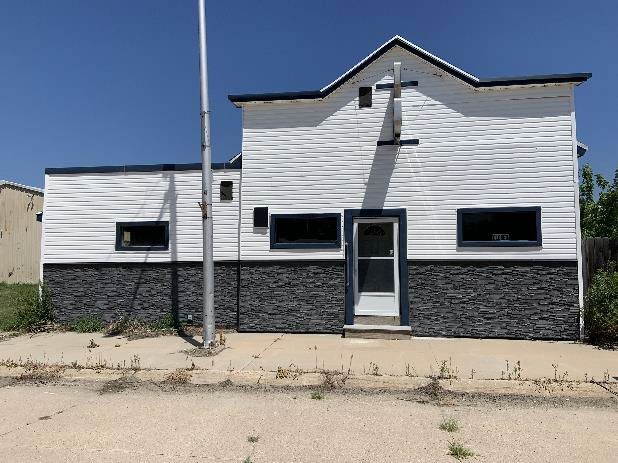
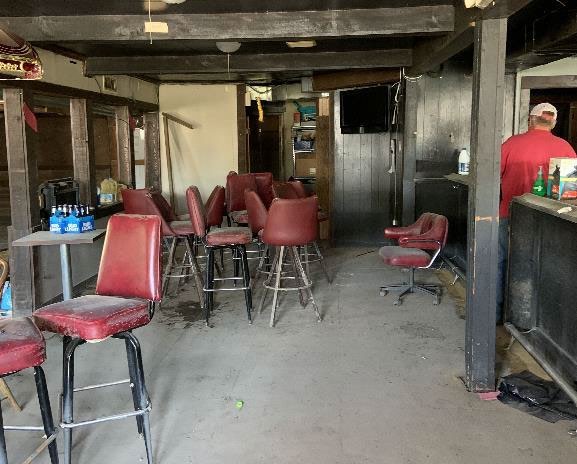
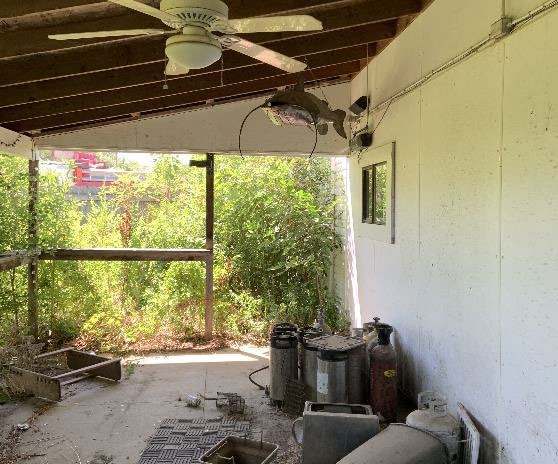
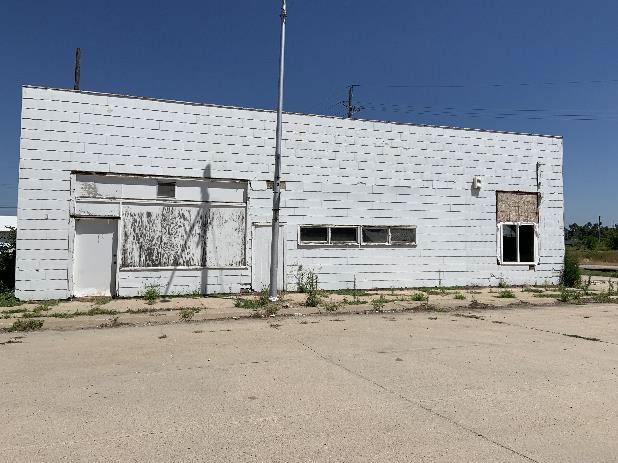
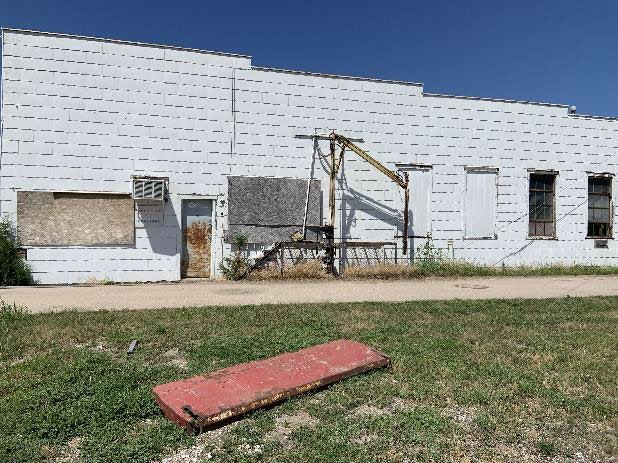
Photographs taken on July 18, 2022, preserve a closer view of two familiar commercial properties. Environmental assessments prepared for the U.S. Environmental Protection Agency identify Smiley’s at 306 Main Street as a bar that was vacant at the time of the inspection. The photographs record its street front, interior and covered beer-garden patio.[105]
The assessment of 300 Main Street identifies a former vehicle-maintenance shop associated with Farmers Coop Mercantile. The property was being used for storage in 2022. Its photographs show the block building and a scale along its east side, preserving details of the cooperative’s working premises.[106]
Buyouts, clearance and the post office
By July 2023, Nebraska Public Media reported that property sales had progressed and two damaged homes had been burned in controlled removals. More removals were planned. Buyouts had advanced, while few residents had committed to rebuilding at the proposed new site.[107]
In October 2024, Nebraska Examiner reporting described a stalled relocation effort. Nearly two dozen houses had been burned, and roughly thirteen to fifteen remained, according to that dated account. Supporters still sought the hilltop site, but streets, water and sewer infrastructure needed funding. People who had accepted buyouts had also resettled elsewhere, including Hooper and Fremont. Others wanted resources directed toward the existing village.[108]
The postal record marks another change without erasing the village’s name. A February 2025 U.S. Postal Service bulletin lists the Winslow office’s suspension date as March 18, 2019, and its formal discontinuance as January 25, 2025. It associates Winslow with the Hooper office while retaining ZIP Code 68072 and Winslow as a mailing place name. Residents could continue using “Winslow, NE 68072” in their addresses.[109]
The state’s January–March 2025 disaster-recovery report described continued demolition and reseeding of green space within the property-acquisition program.[110]
A study published in npj Natural Hazards in January 2026 described conditions as of June 2025: property clearance and permanent green space, limited rebuilding, and a relocation proposal still dependent on funding.[5]
The latest documented status: 2026
Nebraska’s January–March 2026 disaster-recovery report said NEMA had completed demolition inspection and was working with the village on closeout documents. The April–June 2026 report—the latest listed when this article was researched on October 13—still marked the acquisition activity as underway.[3][4]
The latest records describe property clearance and the village’s continuing recovery work. Relocation remains a proposal in these accounts. Winslow’s story continues through the people who stayed, those who moved away and the community ties they carry with them.[3][4][5]
Find a Winslow building or business
Use this index to find the businesses, institutions and gathering places described above.
- Shops and lodging: Brandert’s Daylight Store, Spielberg and Lallman Brothers, C. J. Kruse, Weitkamp, Bullock’s hotel and Mrs. Gately’s restaurant.
- Agricultural trade and transport: Spielberg, Nebraska-Iowa Grain, the Farmers’ Union cooperative, E. M. Fletcher, and railway yards; former Farmers Coop Mercantile shop; livery, draying, blacksmiths, cement manufacturing and other trades.
- Banks: Winslow State Bank; Farmers State Bank.
- Garages and repair: Schmidt & Son; Fred Schurman and Leonard’s Garage.
- Mail and refreshments: Post Office Drug Store, saloon plans and Henry Kruse’s pool hall; Corner Bar, The Bar and BW’s; Smiley’s in 2012, its flood loss and 2022 photographs; the later post office.
- Public services and gathering places: fire-engine house and jail; electric light and waterworks; village park; opera house, factory dance hall, theater and early hall names; Firemen’s Auditorium; later fire department and community center.
- Schools, churches and homes: District 85 public school; St. Paul’s church, parsonage and school; Clark Creek and the Evangelical/E.U.B. church; Kaufman’s residence and other homes.
Help preserve the Winslow that people remember
Family albums, school pictures, church anniversary booklets, store receipts, fire-department records and photographs of celebrations help preserve Winslow’s history in the words and images of the people who lived it.
If you have Winslow material to share, please contact Celebrate Hooper. A date, the names of people pictured, a photographer’s name and the story of where an image came from make it especially useful. Contributions can help expand this article and the searchable Hooper History Database, with each fact connected to its source.
Continue exploring Winslow in the history database, Hooper and Logan View schools, or the area’s churches. The sources below include original newspaper reporting, local recollections, photographs and official records.