Before there were Logan View Raiders, there were Hooper Cardinals in red and white and Uehling Bobcats in orange and black. Each town had its own classrooms, teachers, graduating classes and teams. Rural schoolhouses served the families between them. The shared school that emerged in the late 1960s brought those histories together—and continued to change as elementary districts, school buildings and new generations of students joined it. [1][2]
This history follows the schools from their beginnings through the work underway at Logan View in 2026. Photographs and newspaper excerpts appear beside the periods they document. Select any image to see it larger; numbered citations lead to the books, original newspapers and official records behind the account. Some newspaper photographs survive only as coarse microfilm scans, so detail varies.
Browse photographs: 1961 Cardinals · Uehling school life · Logan View classrooms and staff · 1993–94 Raider basketball
Hooper: from a moved schoolhouse to the Cardinals
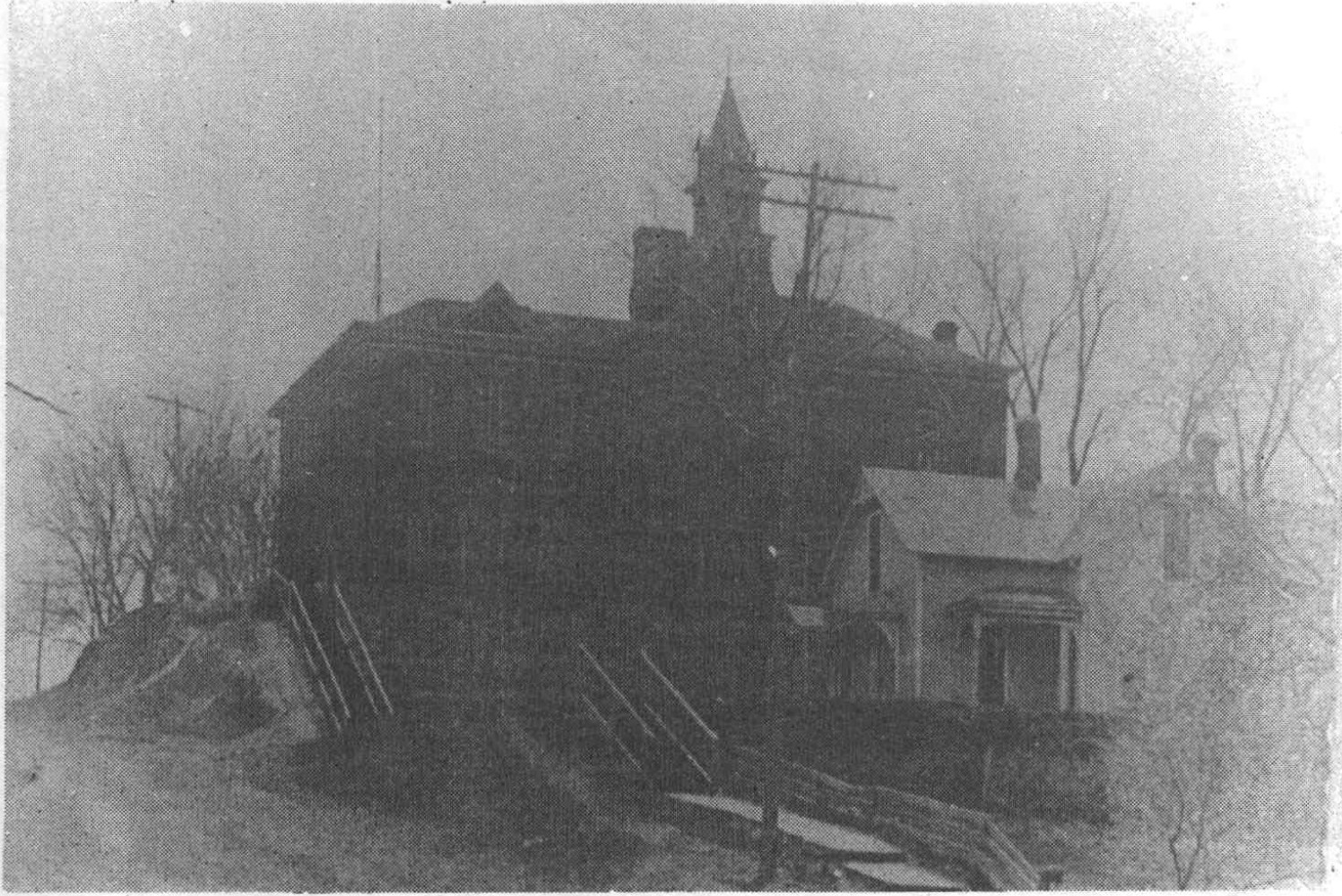
1875–1909: classrooms, a school hill and a fire
One of Hooper’s earliest teachers left a personal account of the school’s beginnings. Anna (Sutton) Denslow recalled that a small frame country schoolhouse was moved into Hooper in 1875 and that she became its teacher. Her recollection appeared in the Hooper Sentinel on February 15, 1900, and was reprinted in the centennial history. It places a working school in the village before the later brick buildings familiar from photographs. [3]
Hooper’s growing enrollment eventually called for a larger building. Andreas’s 1882 state history describes two classrooms serving about 70 pupils in two departments, led by principal P. H. Musgrave and assistant Agnes McDonald. Andreas dates construction to 1880; the centennial history gives 1881. The January 1908 fire report instead dates the main part to 1876 and additions to 1885 and 1892. The records establish the school’s presence and growth, but do not resolve its first construction year. [4][5][6]
The first high school graduating class, in 1886, consisted of three girls. An addition in 1892 cost $2,975. These early milestones show a small community steadily expanding what it could provide locally: a school building, more classroom space, and a course of study that ended in a high school diploma.[4]
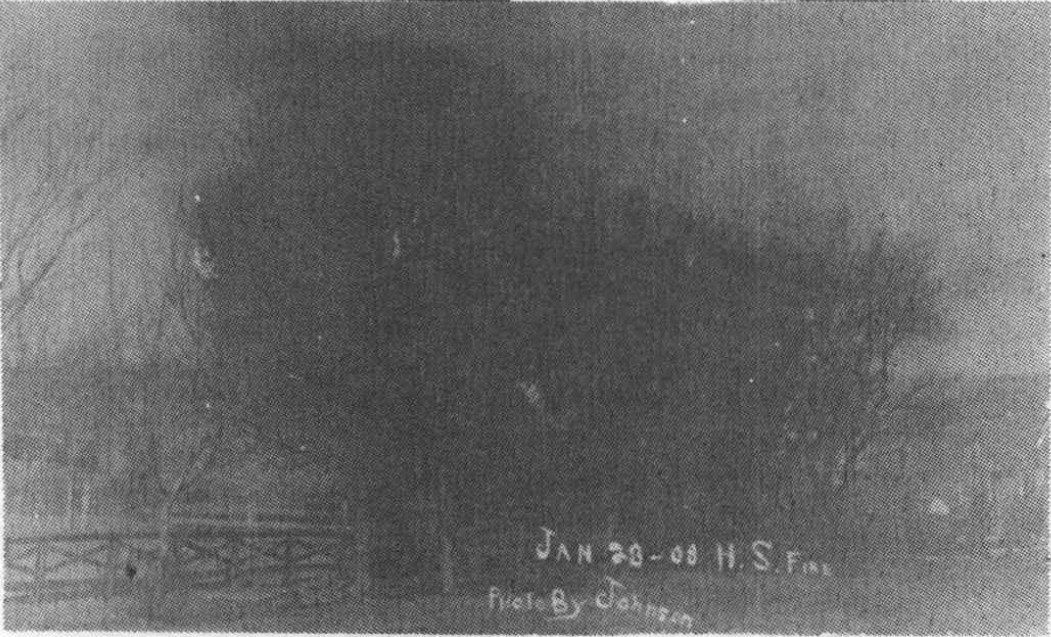
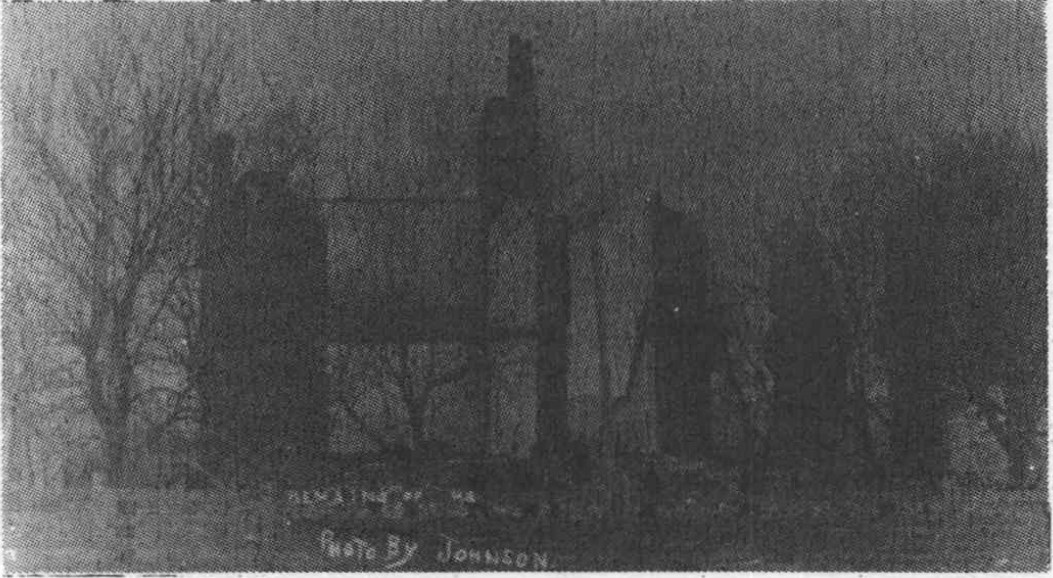
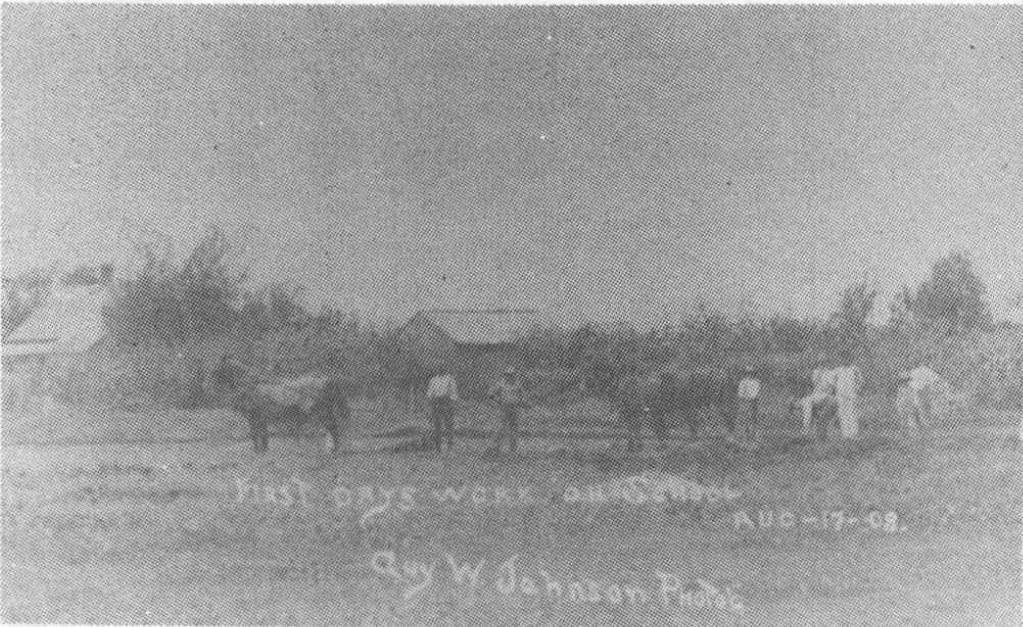
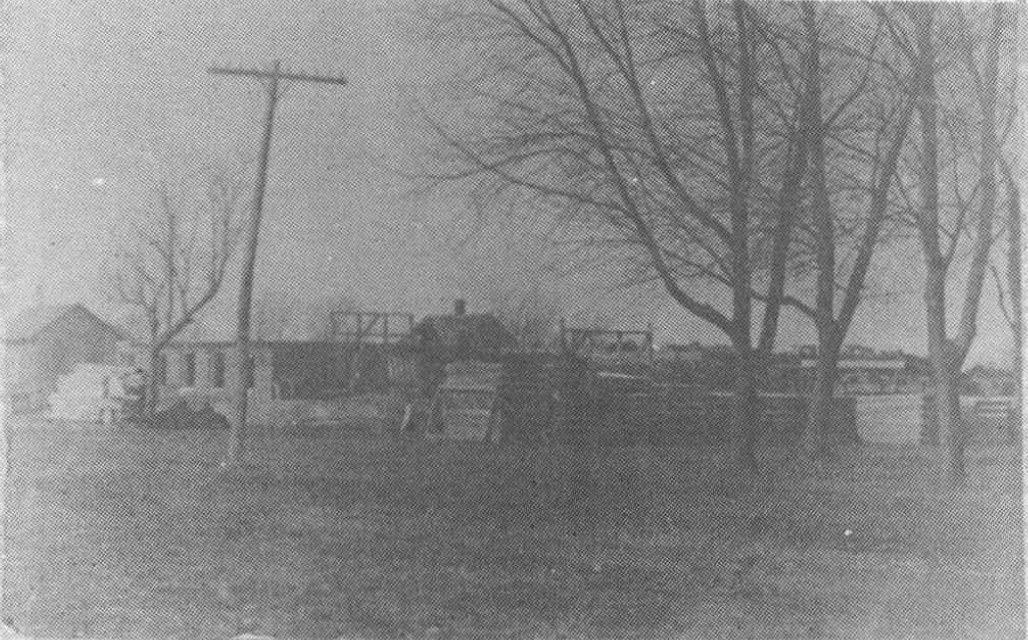
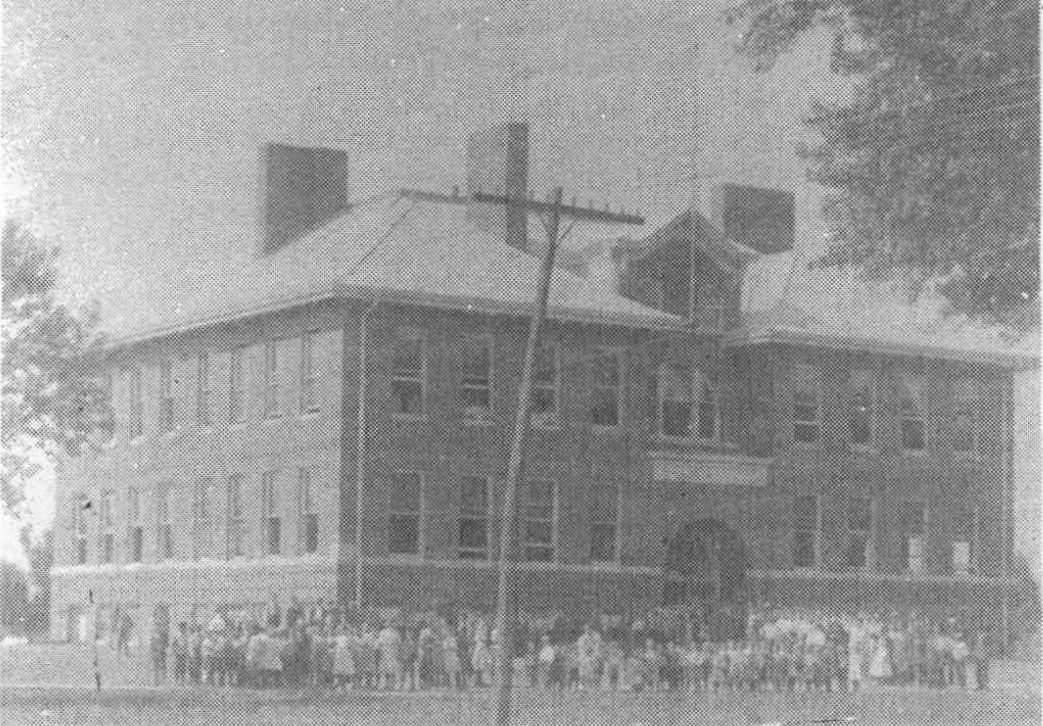
Fire destroyed the hilltop school in January 1908. Classes continued in borrowed spaces around town while residents debated where to rebuild. That disagreement deserves its own story, which we tell in The Year Hooper Argued About a Hill. The replacement school was built on a new site three blocks west of Main Street, with work beginning August 17, 1908. [3][4][7]
The original Sentinel report gives a closer view of the emergency. Its January 30, 1908 issue described an 11:30 Tuesday-morning alarm while school was in session, teachers leading pupils out in order, and some desks and books saved from the lower rooms. Classes were to resume Monday in the old Tillman hotel, the Tillman brick store, the Hartung brick building, the Methodist church classroom and the German Lutheran church’s school building. The Methodist bell would serve as the school bell.[5]
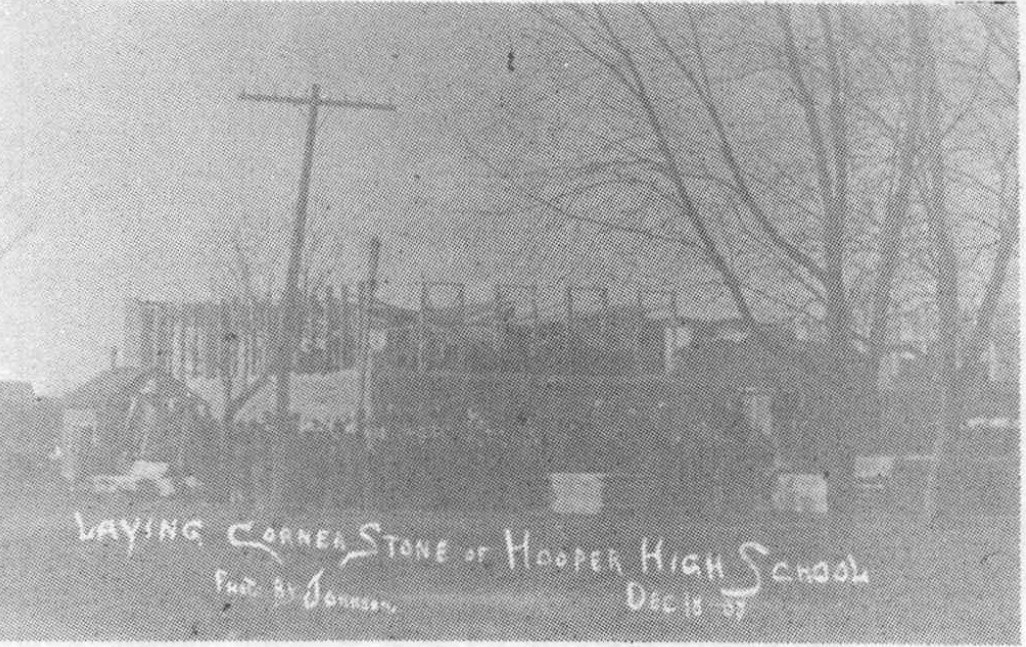
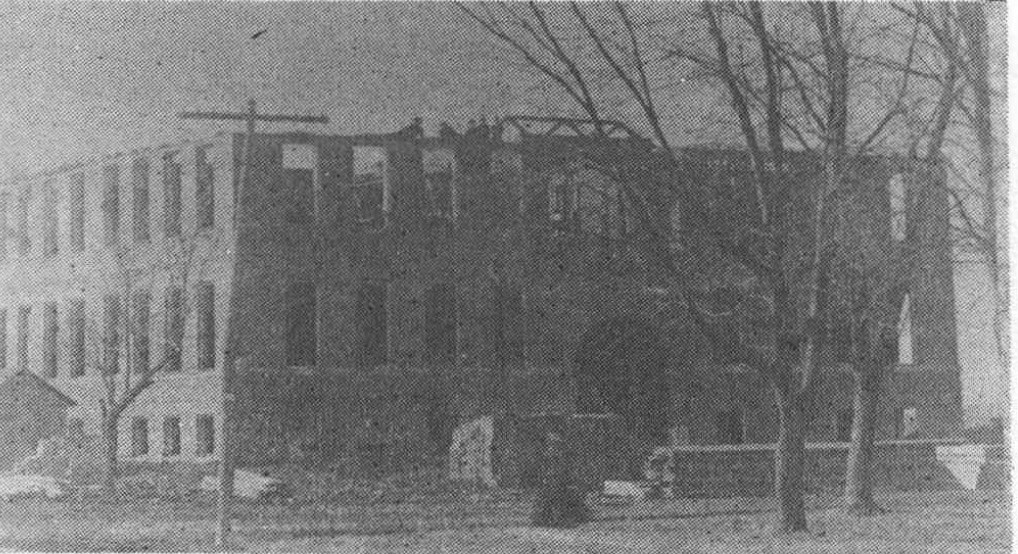
The replacement school also grew through local contributions. For the December 18, 1908 cornerstone ceremony, Rosa Bayer made and donated the stone, and members of the class of 1909 lowered it into place. A windstorm damaged much of the north wall in January 1909. The completed school opened on Monday, September 6, 1909, with dedication exercises that evening; the following Thursday’s Sentinel fixes that date more precisely than the later anniversary account. [8][7]


The new building measured 67 by 84 feet. It contained six regular classrooms, a larger high-school room, two recitation rooms, a library and the principal’s office, with playrooms and utility spaces below. Pressed brick and Bedford-stone trim gave it a substantial exterior; the cost was about $25,000. A $750 enclosed spiral fire escape followed in 1910. In 1919, the school acquired another piece of town history when its smaller bell was exchanged for Hooper’s former fire bell. [3]
The school sites remain part of Hooper’s self-guided history tour. The hilltop site and the later Maple and Park school grounds represent different stages of the story. [10]
Gallery: the hill school and rebuilding after the fire

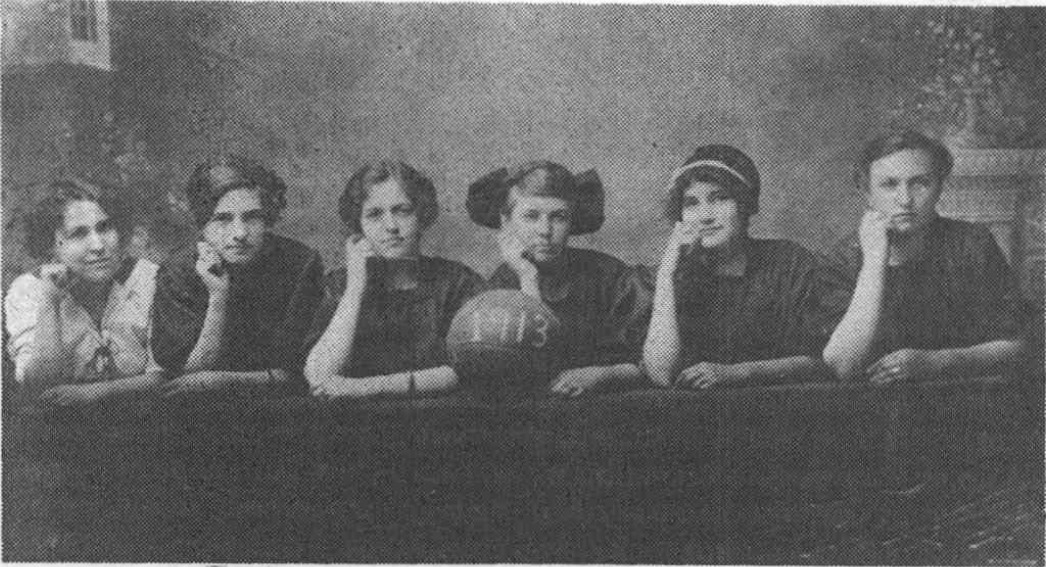
The girls who started basketball
Organized basketball in Hooper began with girls. In 1907, a group of freshman girls took up the game with help from their principal, Miss Nickerson. Box socials helped pay for a ball and equipment. Their early court was outdoors, with iron hoops mounted on poles and cinders underfoot.[11]
Cold weather interrupted play. When the girls reorganized in spring 1908, their equipment moved to a vacant lot between the depot and the Hooper Inn. The centennial account credits them with establishing the school’s basketball tradition. A boys team followed, and the opera house served as a rented gym before the later high school building provided another home for the sport.[11]
The photograph preserves a school tradition already several years old. It also gives names and faces to a part of Hooper’s history that can disappear when the story is told only through construction dates and bond elections.

Music, class humor and graduation
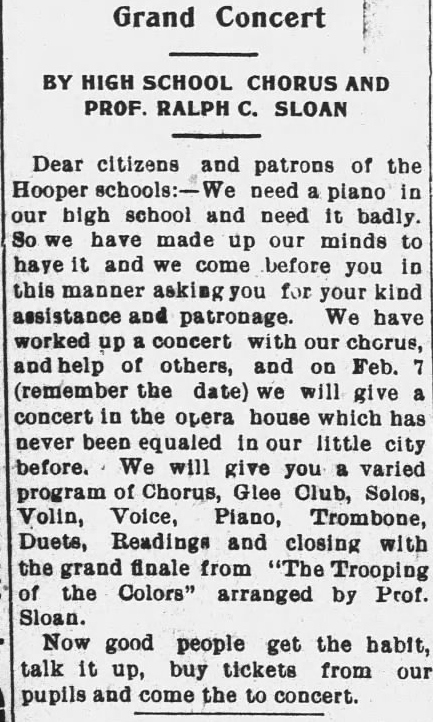
Even the week of the fire, the high school was asking the town to help buy a piano. An advertisement in the January 30, 1908 Sentinel announced a February 7 concert by the High School Chorus and Prof. Ralph C. Sloan at the opera house. The advertised program included chorus and glee-club music, instrumental numbers and readings. A separate notice on the page moved the concert from January 31 to February 7; it did not cancel the appeal for a school instrument.[5]
School life also reached beyond the classroom and playing court. A December 11, 1914 Hooper Sentinel notice reproduced in the centennial history advertised Tony and the Convict at the Tilson Opera House to benefit the public library and Hooper Concert Band. The High School Orchestra was to supply the music. The notice places student musicians within a town event that supported both books and music.[13]
The library and school shared more than an evening’s program. J. E. Marsh served on the library’s first board in 1913. In his 1924 account of the library’s beginnings, librarian Joel Warner described Supt. Marsh ordering about 200 books and adding books from the school library and Lutheran Church. These details show teachers and school resources helping establish a collection for the wider community.[13]
Students left a lighter record, too. The centennial book reproduces the “Class Commandments of 1914,” a humorous set of mock rules about principals, whispering in hallways, homework and classmates. One joke extends schoolwork into a seventh day if six have not been enough; another warns against envying a neighbor’s class colors.[12]
Graduation photographs provide another kind of record: faces that can be connected with the names in family papers. The class-of-1918 photograph includes Prof. J. E. Marsh and students identified in its caption as Carl Wenke, Carl Sharrar, Monroe Zellers, Chelsea Cushman, Milton Hartwig, Fred Haefner, Walter Kallenbach and George Hauser in the front row. The book also names three class members who were not in the photograph: Howard Heller, Floyd Blankenfeld and Christian Nelson.[14]
The centennial volume’s alumni lists continue from 1886 through 1969. They offer a useful starting point for connecting a name with a graduating class, while the photographs preserve people whom a list alone cannot show. Family programs, inscriptions on photographs and report cards can help check spellings and identify classmates missing from a particular picture.[14]

1912: learning to teach in the country schools
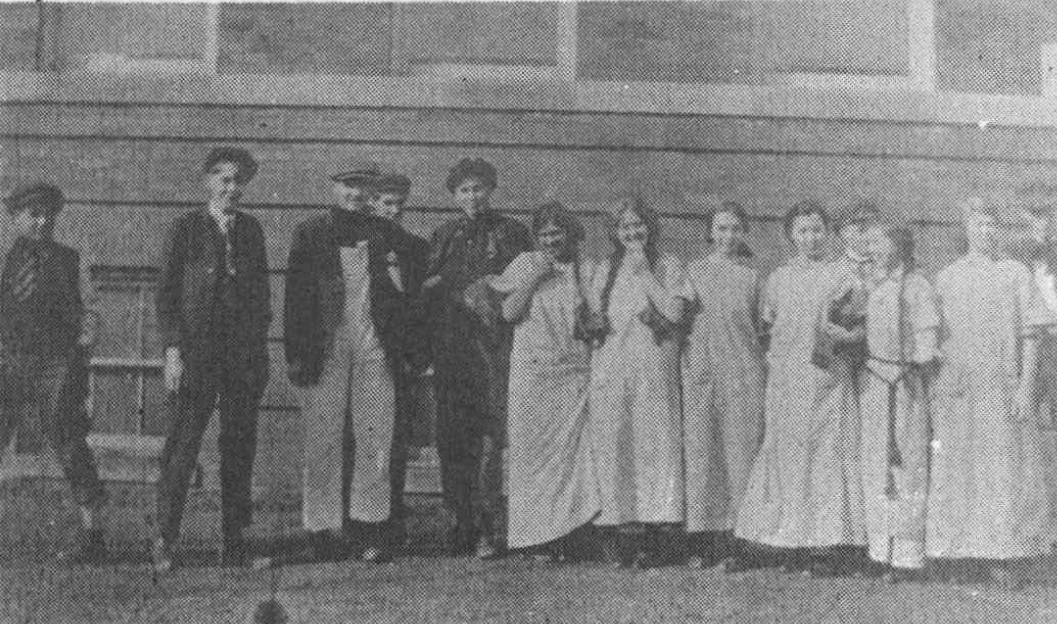
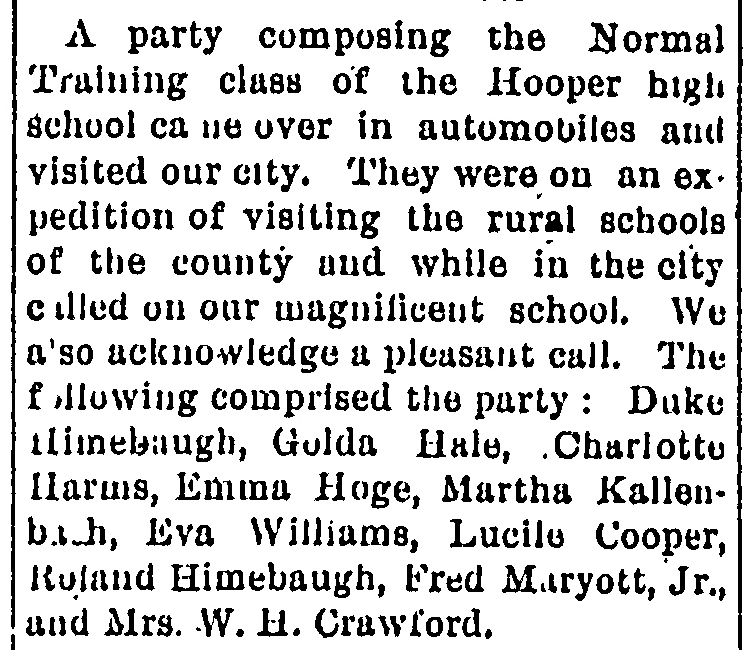
Hooper was also preparing future teachers. In May 1912, its Normal Training class traveled by automobile to visit rural schools in Dodge County and stopped at Scribner’s school. The Scribner News named Duke Himebaugh, Golda Hale, Charlotte Harms, Emma Hoge, Martha Kallenbach, Eva Williams, Lucile Cooper, Roland Himebaugh, Fred Maryott Jr. and Mrs. W. H. Crawford among the party. The visit connected Hooper’s teacher-training work with the country schools surrounding the town. [96]
1924: a separate high-school building
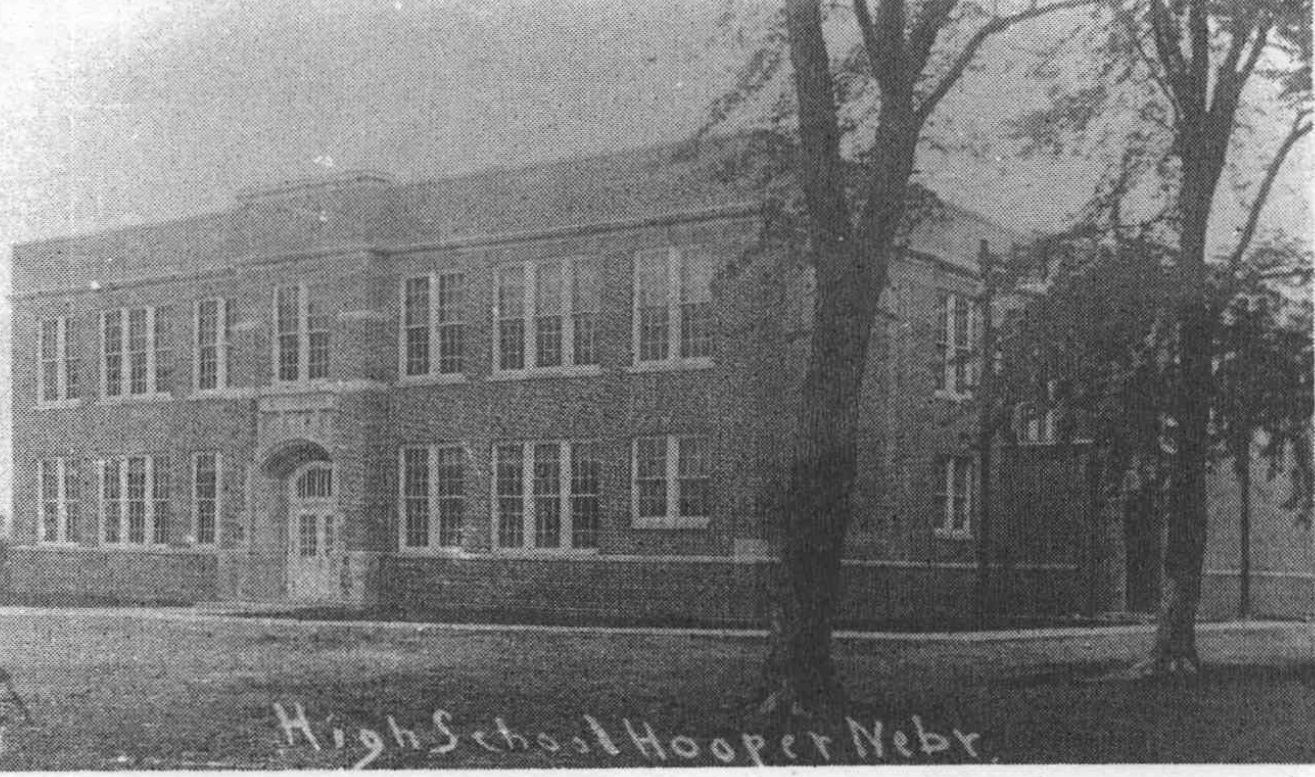
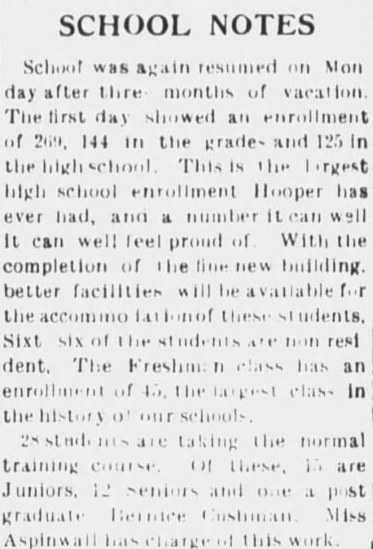
A June 1922 petition proposed a $75,000 bond for a new high school. According to the detailed construction account in the centennial book, the cornerstone was laid on October 11, 1923. When the contractor could not complete the work, the bonding company took over; the building was ready for the fall of 1924. The September 11, 1924 Sentinel reports the school year beginning that Monday—September 8—with 269 pupils: 144 in the grades and 125 in high school, its largest high-school enrollment yet. Its notes looked ahead to the better facilities the new building would provide; the centennial history supplies the fall-1924 occupancy date. [15][16]
The September 1924 school notes also describe a normal-training course for prospective teachers: fifteen juniors, twelve seniors and postgraduate Eunice Cushman studied under Miss Aspinwall. The freshman class numbered forty-five. Growth affected the younger grades too, with an extra seat needed for the twenty-one fourth graders and second graders divided between two rooms because of limited seating. [15]
School activities in the 1920s and 1930s
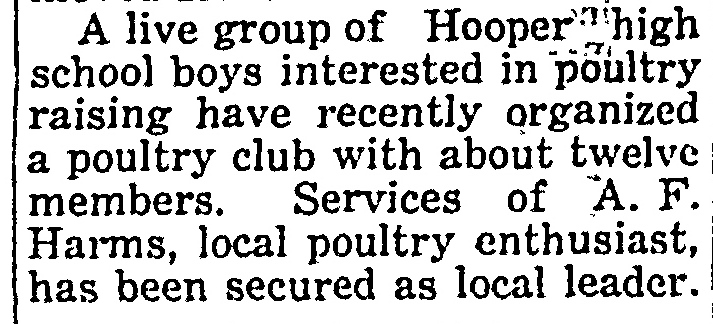
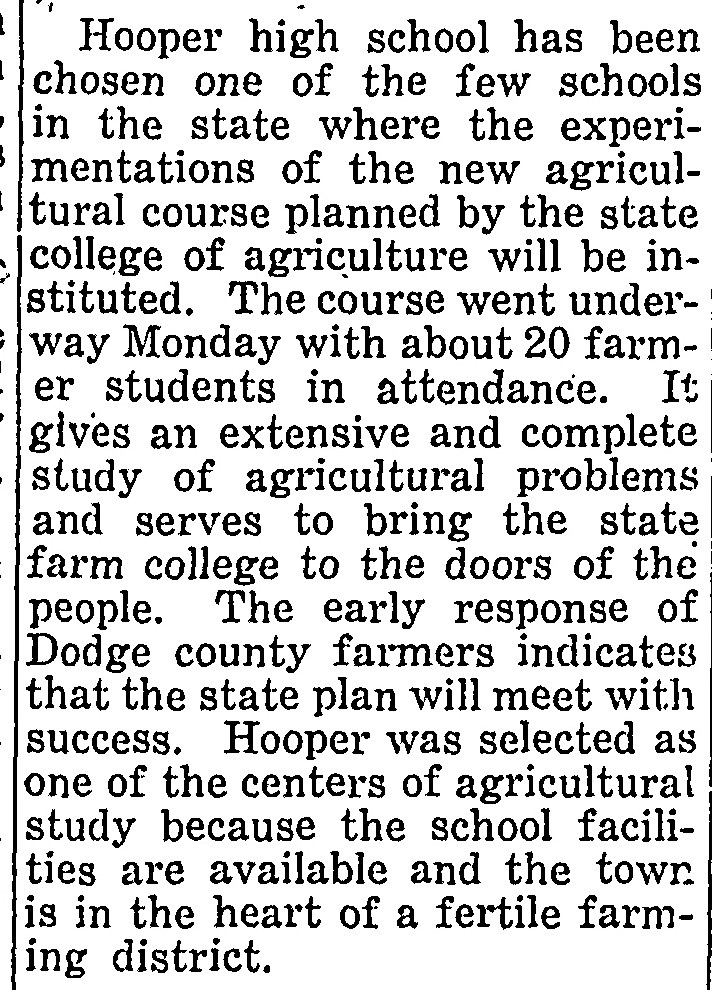
Agricultural learning already had a place in school life. In 1922, about twelve Hooper high-school boys organized a poultry club under local leader A. F. Harms. By December 1925, the school was hosting an experimental course planned by the state college of agriculture. About twenty farmers attended its opening session. The newspaper explained that Hooper offered available school facilities in the middle of a farming district. This course served local farmers; it was separate from the vocational-agriculture program later added to the high-school curriculum. [97][98]
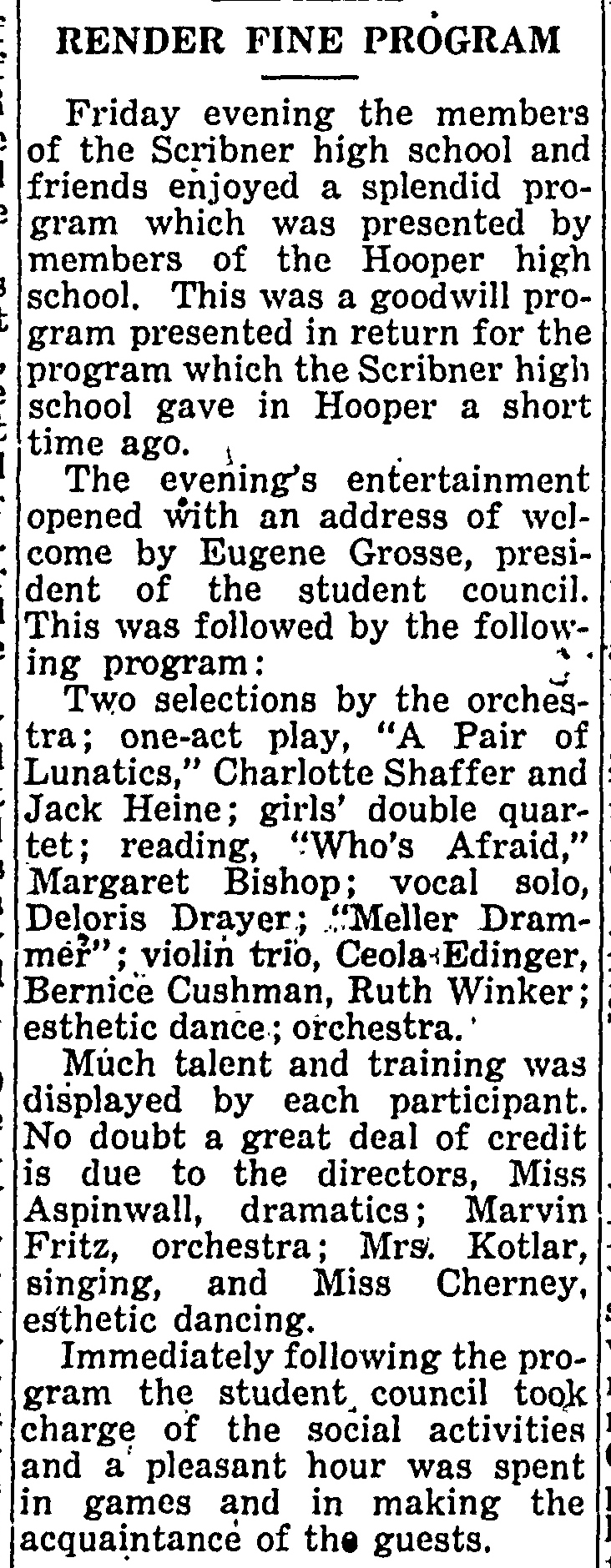
Neighboring schools exchanged performances as well as athletic contests. In December 1925, Hooper pupils presented a goodwill program in Scribner in return for an earlier Scribner appearance in Hooper. The evening included orchestra pieces, a girls’ double quartet, a violin trio, readings, dance and a one-act play performed by Charlotte Shaffer and Jack Heine. The report credited Miss Aspinwall with dramatics, Marvin Fritz with the orchestra, Mrs. Kotlar with singing and Miss Cherney with dance. Games and introductions followed the performance. [99]
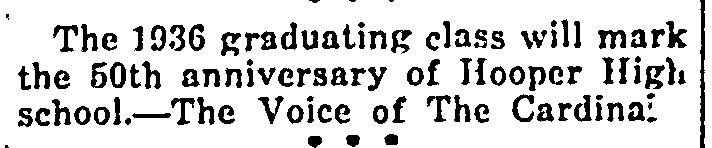
The Cardinal identity also appeared in students’ writing. In March 1935, Scribner’s student newspaper reprinted an item credited to The Voice of The Cardinal, looking ahead to Hooper’s 1936 graduating class and fifty years since its first graduation. Pupils were already recording their own school’s history. [100]
1938–1939: a vocational-agriculture program
A March 17, 1938 newspaper report records the school board’s decision to add vocational agriculture for the coming school year. [17]
The agriculture proposal was unusually specific about how students would learn. A public meeting on April 21, 1938 considered a week of three classroom days and two shop days. Animal husbandry, crops and soils would be studied in class and put to use on the farmstead. This was preparation for agricultural work in a community where farming was central to family livelihoods.[16]
The curriculum continued to expand. In 1938, an agriculture course began with 30 boys under instructor Lyman Fowler. It divided the week between classroom instruction and shop work. For its first year, the shop occupied the rented north half of the Buick garage. On April 18, 1939, voters approved $6,000 for an agriculture building, which the centennial history says was ready by fall.[16]
Supporters also saw the course as a reason to keep an education close to home. In statements from 1939 reproduced by the centennial history, Frederick Olson’s father said his son would have attended another school without it. That parent’s argument helps explain why the rented garage was a beginning rather than a sufficient permanent home: the course had become part of what families wanted Hooper High to offer.[16]
1942: school rivalry and the war effort
During World War II, the rivalry between Hooper and Scribner reached beyond basketball. An October 15, 1942 report in Scribner’s student newspaper said Hooper High had already collected thirty tons of scrap metal in a contest between the schools. That was a progress report, not Hooper’s final total. The following week’s newspaper named Scribner the winner. Collecting material for the war effort had become another task that pupils carried out together. [101][102]
Classrooms, music and community support in the 1950s
In August 1951, the Sentinel reported teachers finding rooms in local homes or commuting from Fremont. School would also close September 7 for the Hooper band’s planned bus trip to the Nebraska State Fair’s Band Day.[19]
Hooper High had 146 pupils in September 1954, including ninety-seven tuition students. The band had about fifty-three members under John Parde, preparing for football games, the county fair and Ak-Sar-Ben. Later that month forty-nine musicians traveled by chartered bus to Omaha, wearing scarlet uniforms with white trim. [20][21]
The November 18, 1954 Sentinel reported 34 boys at a basketball meeting and reviewed the juniors’ Three Blind Dates. The play’s account named singers, accompanists and stage crews as well as actors, preserving the many kinds of work behind a school performance.[22]

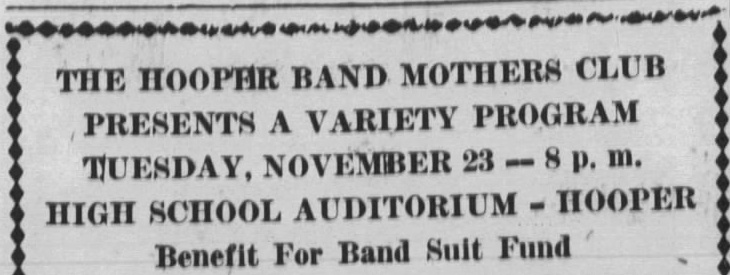
Families and students helped pay for the activities they valued. The Band Mothers’ November 1954 variety show filled the school and raised about $245 for uniforms. H Club members picked corn for Floyd Larsen to earn basketball-warmup money, while the H Club and Student Council sold red-and-white “Hoopies.” [23][24]
Music flourished in both performance and competition. At the April 1958 district music festival in Wahoo, Hooper earned nine Superior, ten Excellent and two Good ratings. Parde directed instrumental music; Velda Stokke led vocal music. The newspaper also advertised that year’s senior play, Headed for Eden, in the high-school auditorium. [25]
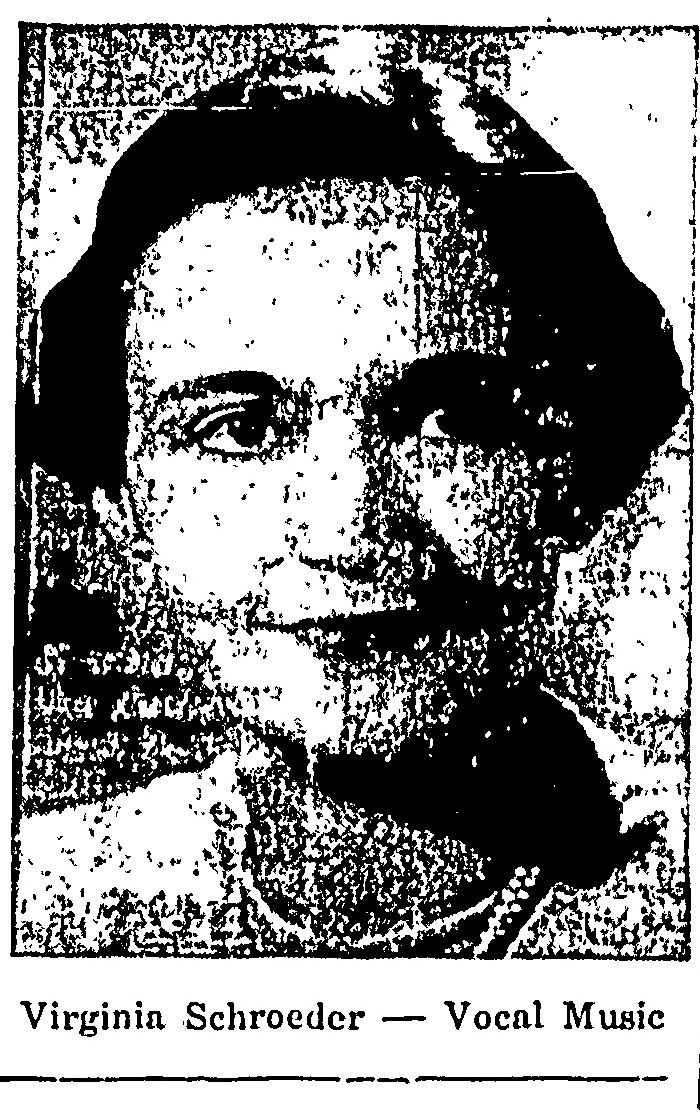
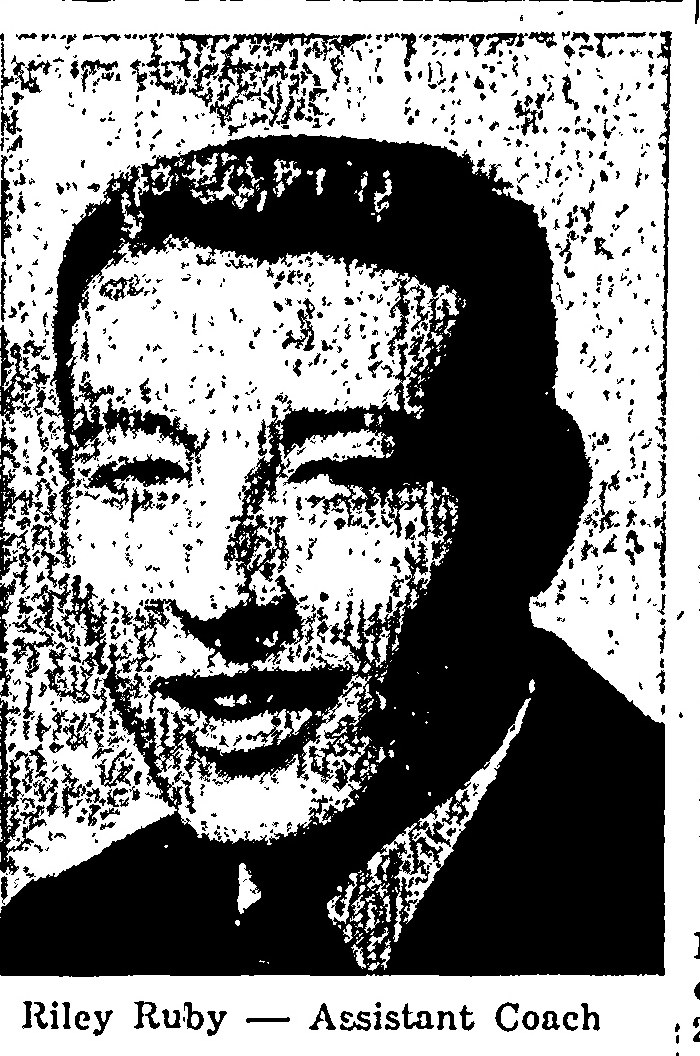
Teachers’ names help connect these programs with the people who ran them. In 1958, the returning faculty included principal Cleo Schroeder, science teacher Clara Schafersman, agriculture teacher Wayne Goff, English and speech teacher Kenneth Johnson, and mathematics teacher and librarian Esther Kennedy. Virginia Schroeder joined the regular faculty for vocal music, and Riley Ruby arrived to teach junior high and assist with coaching. [26]
In 1959, individual parent–teacher conferences replaced the open-house system. Families received fifteen-minute appointments to discuss report cards and progress. Superintendent Duane Munson reported participation of about 93 percent—a record of the relationship between classroom teachers and the households they served. [27]

Agriculture, academic honors and student clubs
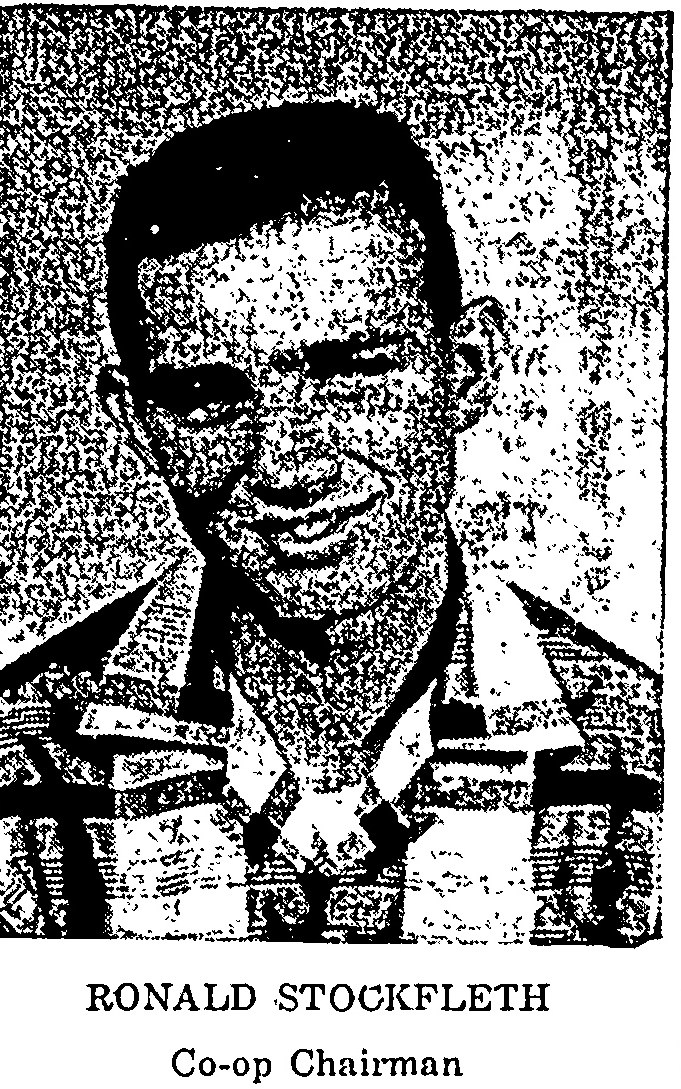
By 1958, the agricultural program begun in the rented garage had achieved recognition beyond Hooper. Hooper and Ansley shared the state’s top FFA chapter rating. Ronald Licht, Ronald Thomsen and Alden Hagerbaumer received State Farmer recognition; Rodney Hiebenthal won the farm-electrification award. Ronald Stockfleth chaired the committee behind the chapter’s District III cooperation award. In 1959 the Sentinel reported a national FFA gold emblem for the chapter’s 1958–1959 work. [28][27]
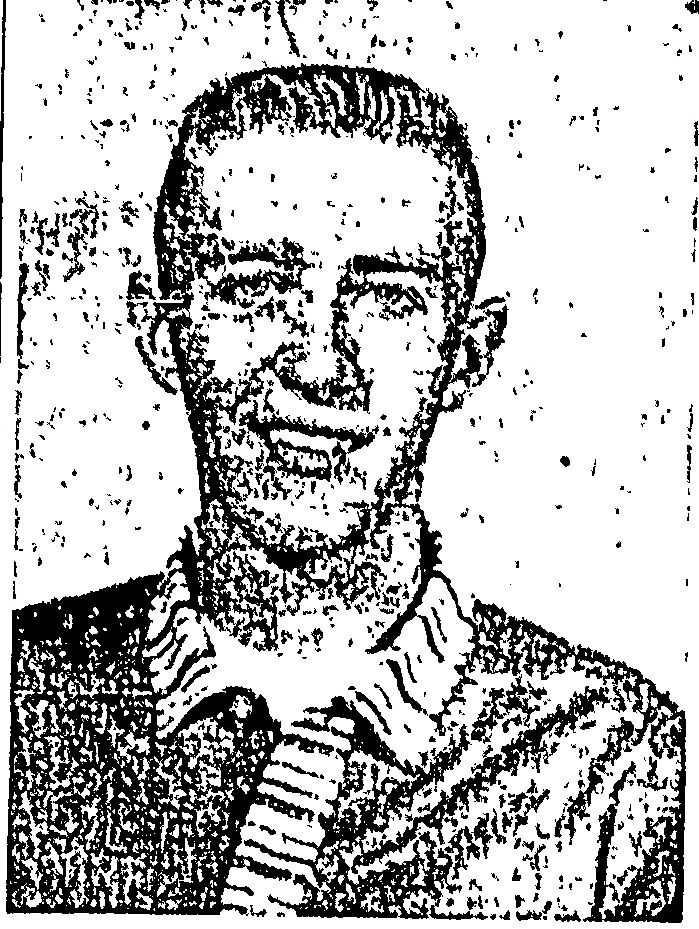
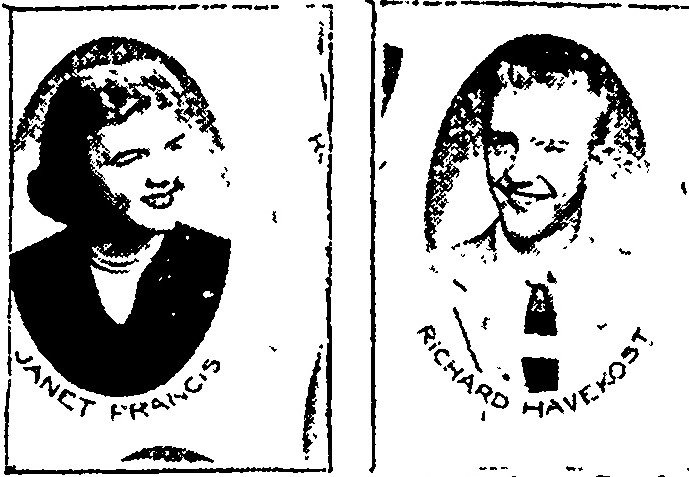
Academic achievements appeared on the same newspaper pages. Dick Havekost placed sixty-first among 1,405 entrants in a 1958 statewide mathematics contest; Hooper’s team ranked twenty-sixth of 121 schools. That May, forty-three seniors—Hooper’s largest graduating class since 1929—graduated before an audience of more than 750 at the City Auditorium. Janet Francis was valedictorian and Richard Havekost salutatorian. Carol Hiebenthal received the Bausch & Lomb Science Award, and James Fowler earned Regents and Nebraska Wesleyan scholarships. [28][29]
In 1961, the H Club offered white sweatshirts bearing the Hooper Cardinals name and a red cardinal, inviting younger pupils and downtown boosters to wear the school’s identity too. [24]
Students also organized around practical skills and public life. A Home Economics Club formed on November 14, 1961, with Jane Schole as chair and plans for food, clothing and home-living projects. Members hoped to become a Future Homemakers of America chapter; that was still a goal in the contemporary report. Hooper students participated in American Legion-sponsored County Government Day in Fremont, taking the roles of county officers under faculty sponsor Harry Meeker. Adult education reached beyond the enrolled pupils: forty people joined Roland Peterson’s beef-feeding class in January 1961. [30][24]

The Cardinals’ state championships
The Cardinals carried the town’s name into state competition. The Nebraska School Activities Association lists Hooper, Fairbury and Valley as tied Class B boys tennis team champions in 1957. In 1958, Hooper held the team title on its own, and Jim Fowler won the Class B No. 1 singles championship. Remembering the three-way tie keeps the first title as precise as the second.[31]
Hooper also won the 1958 boys track championship in Class C. The official results give Hooper 13.5 points, ahead of Springview and Stapleton with 12 apiece. Les Marreel won the 100-yard dash in 10.3 seconds and placed third in both the 220-yard dash and broad jump. Stan Schaulis tied for fourth in the shot put. Those individual placings put names behind a close team championship.[32]
The original May 22, 1958 Sentinel adds the tennis partnership behind the team trophy. Ron Schmietenknop and Bill Bauer finished second in doubles. Their four points, combined with Fowler’s six, gave Hooper ten points to Valley’s eight and Fairbury’s six. The paper’s portraits put faces to both championship teams. [33]

1961: the Cardinals reach the state basketball semifinals
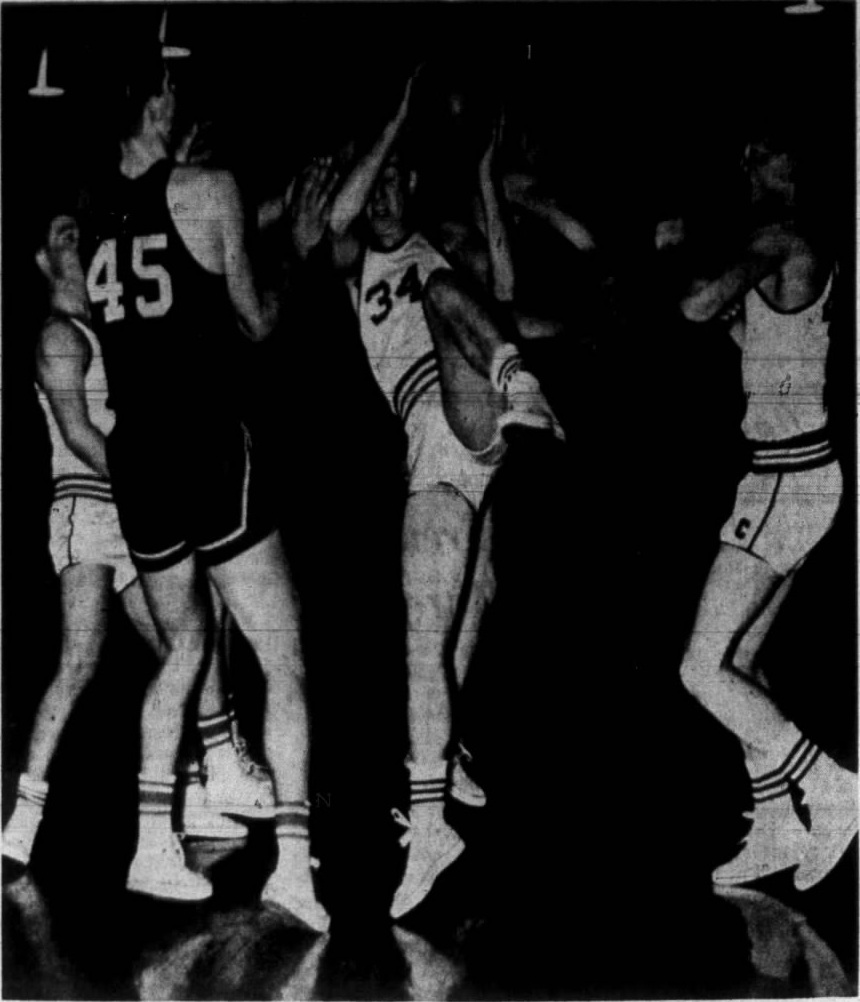
Basketball brought another memorable trip to Lincoln in 1961. The Hooper Sentinel devoted a March 9 tribute to the Cardinals’ state-tournament appearance, with a team photograph, portraits of head coach Harry Meeker and assistant Darold Nielsen, and greetings from local businesses and organizations. The team reached the Class B semifinals before losing 73–60 to Chadron Prep. The March 11, 1961, Fremont Guide and Tribune recorded Hooper’s final season mark as 21 wins and four losses. [113][114][115]
The photographs preserve the people around the team as well as the game itself. The Sentinel’s roster named Lynn Moeller as student manager and Joann Krohn, Sharon Shepard, Kay Row and Gwen Dierking as cheerleaders. In the semifinal, Rich Fowler led Hooper with seventeen points before fouling out late in the third quarter. A Tribune photographer caught Fowler contesting a rebound with Chadron’s Larry Matthesen. [113][114][115]

Rural schools were changing too
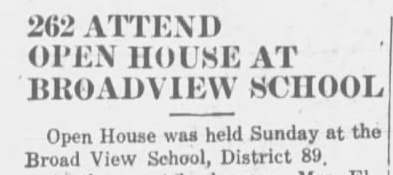
Rural schools were changing, too. The September 12, 1963 Sentinel reported 262 visitors at Broad View School’s open house. District 89’s new building stood beside Highway 77 north of Winslow, with two classrooms, a room for music and other special instruction, and a basement stage and kitchen. Construction cost $36,200, with equipment and land listed separately. Three older schoolhouses were to be auctioned. The report also described a planned hot-lunch program, showing how a new building could change the school day.[34]
Uehling’s school and the orange-and-black Bobcats
Uehling’s school grew alongside the new railroad village. In the spring of 1906, the county superintendent approved a new school district that included the town. The local history preserved in Nebraska…Our Towns records a two-story frame schoolhouse built that summer, with two teachers for thirty pupils. Its first board included Krammerer, Green and Ludwig Uehling. [35] [36]
Graduation ceremonies were part of village life before the twelve-grade program was established. A June 1911 newspaper report places Uehling’s exercises in the village hall, where Mrs. L. B. Gilbert delivered the address and County Superintendent John Matzen presented diplomas. It does not identify the occasion as Uehling’s first graduating class. [116]
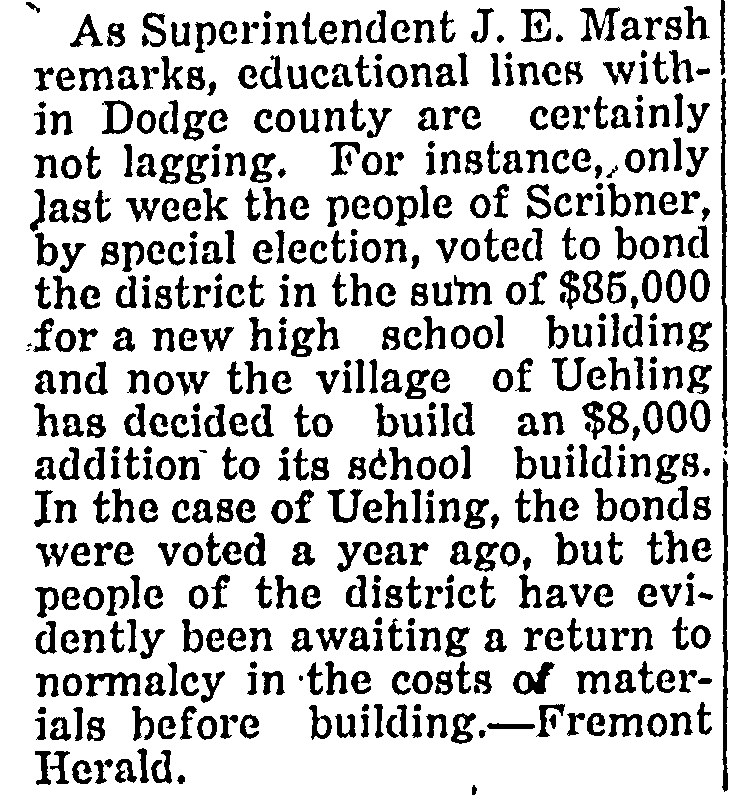
The school’s early course of study gradually developed into a full high-school program. Nebraska’s 1908–1909 directory listed ten grades under Effie E. Peterson. The 1914–1915 edition named E. A. Olsen and a staff of four; in 1920–1921, Marie Prochazka headed a five-teacher school, still offering ten grades. In March 1922, the Scribner Rustler reported Uehling’s decision to build an $8,000 addition, using bonds approved the previous year. By 1924–1925, the state directory listed an accredited twelve-grade school under H. J. Hartwig, with Margaret Miller and Marguerite Westlin among its high-school teachers. [37] [38] [39] [40] [41]
Athletics already connected Uehling with neighboring towns. A January 1924 newspaper account describes a basketball doubleheader at Scribner: Uehling’s girls lost a close 10–7 game, and its boys also played that evening. Two years later, Uehling reached the Class P semifinals at the state boys’ tournament. Victories over Newport, 12–11, and Burchard, 15–10, preceded an 11–10 loss to Rokeby. [42] [43]
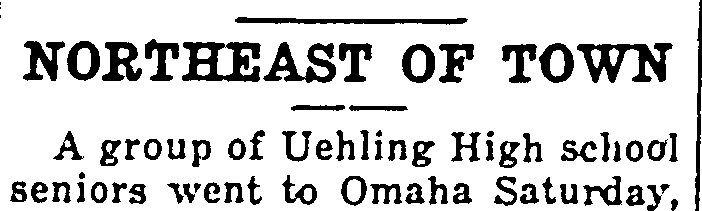
School life extended beyond the playing floor. In March 1932, teacher Hazel Cantlin sponsored an Omaha trip for seniors Doris Farr, Rose Swanda, Mabel Witte and Walter Popken. Linda Monich drove them in her car. The group saw Maude Adams and Otis Skinner in The Merchant of Venice, visited Joslyn Memorial and looked over Omaha’s new Union Depot. It is a small but vivid record of the experiences a village high school could open to its students. [44]
1943: a county title by two narrow margins
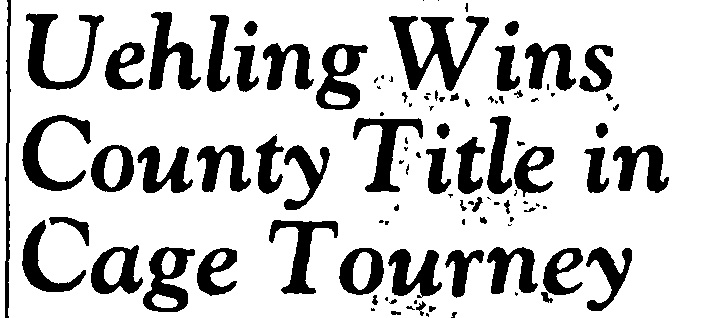
The Bobcats’ basketball tradition included close contests with both neighboring towns. In February 1943, Uehling captured the Dodge County title by defeating Scribner 23–22 and Hooper 26–25. Against Scribner, Uehling overcame a seven-point halftime deficit. In the final, Hooper made more field goals, but Uehling’s six successful free throws supplied the difference. [117]
State tournament years
The orange-and-black Bobcats became a source of lasting local pride. In 1950, they defeated Panama and then edged Hildreth 37–36 in overtime to reach the Class D state final. Glenvil won the championship game, 43–33, leaving Uehling as runner-up. [1] [45]
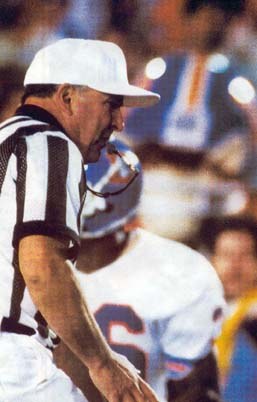
Pat Mallette, an all-state Uehling basketball player in 1949 and 1950 and a member of the 1950 runner-up team, later built a career in officiating. The Nebraska High School Sports Hall of Fame credits him with twenty-six years and 525 games in the NFL, including Super Bowl XXI in 1987. [46]
The championship season of 1952 also had its ordinary rituals of school spirit. January’s third annual homecoming called alumni back for an open house, followed by a pep rally, a game against Scribner, the queen’s coronation and a dance. The five queen candidates were Ginny Daubert, Doris Graver, Shirley Hilbers, Janet Mattson and Mona Wheatley. [47]

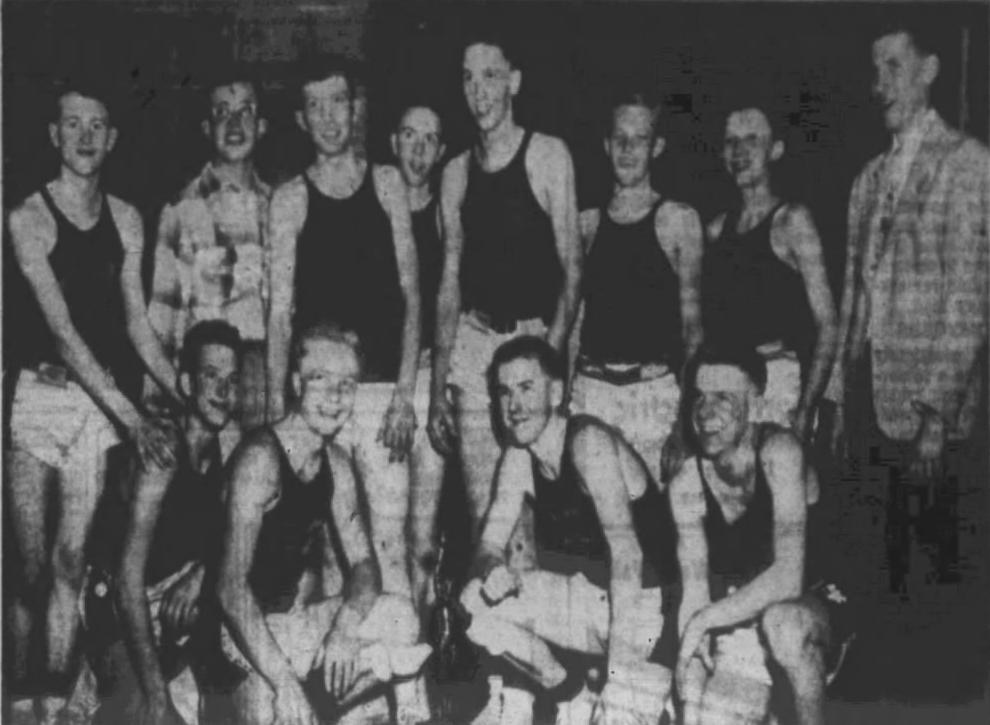
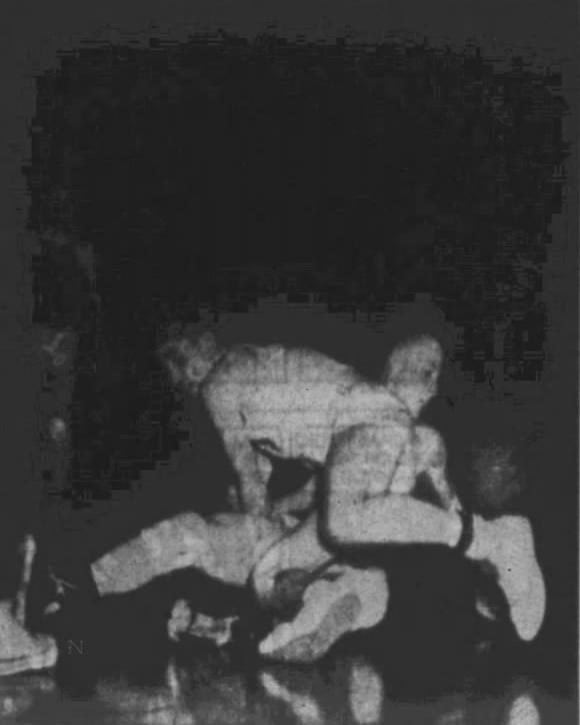
That March, coach Les Shepard’s team brought home Uehling’s first state championship. The Bobcats defeated Mullen 47–36 and Millard 33–31 before beating Palmyra 53–42 at the Coliseum in Lincoln. In the final, Roger Clough scored twenty points, Joe Wedergren thirteen and Russ Uehling eleven. Uehling had entered the state tournament with twenty-five wins and three losses. [45] [48]


That spring also brought academic recognition for Shirley Hilbers, Uehling’s 1952 valedictorian. She received a medal for her attendance and punctuality, and the Hooper Sentinel reported her plans to attend business college in Omaha. [49]
Music, activities and a continuing school community
Music added another gathering point. In 1958, teacher Edna Bergquist organized a band of fifteen students drawn from the grade school and high school. Parents formed a Band Boosters Club, and the Uehling and Craig bands exchanged concert visits. Bergquist hoped to bring in more players, broaden the repertoire and eventually obtain uniforms. She had previously organized Hooper’s band as well, a connection between the communities long before their schools combined. [50]

1960: Cardinals and Bobcats on the same court
The Cardinals and Bobcats remained rivals before they became schoolmates. On January 8, 1960, Hooper edged Uehling 45–44 on Uehling’s court. Dan Schaulis led Hooper with thirteen points; John Meyer and Jim Lindgren scored eleven apiece for Uehling. The Sentinel described a large Hooper turnout for the game. [118]

A 1961 account of senior John Allen Young shows how activities could overlap in a small school. He had earned letters in baseball, basketball and track while also belonging to the U Club, Boys Glee Club and Uehling Band. [51]
The 1968 reorganization ended Uehling’s separate high-school identity. Its senior-high students joined those at Hooper, while the Uehling building housed the combined district’s junior-high pupils during the transition. The Bobcats’ story became part of the shared Logan View history. [1]
The elementary years in Uehling
The Bobcat name continued in the elementary years: an October 1995 school notice advertised the Uehling PTA’s Bobcat shirts and sweatshirts. [119]
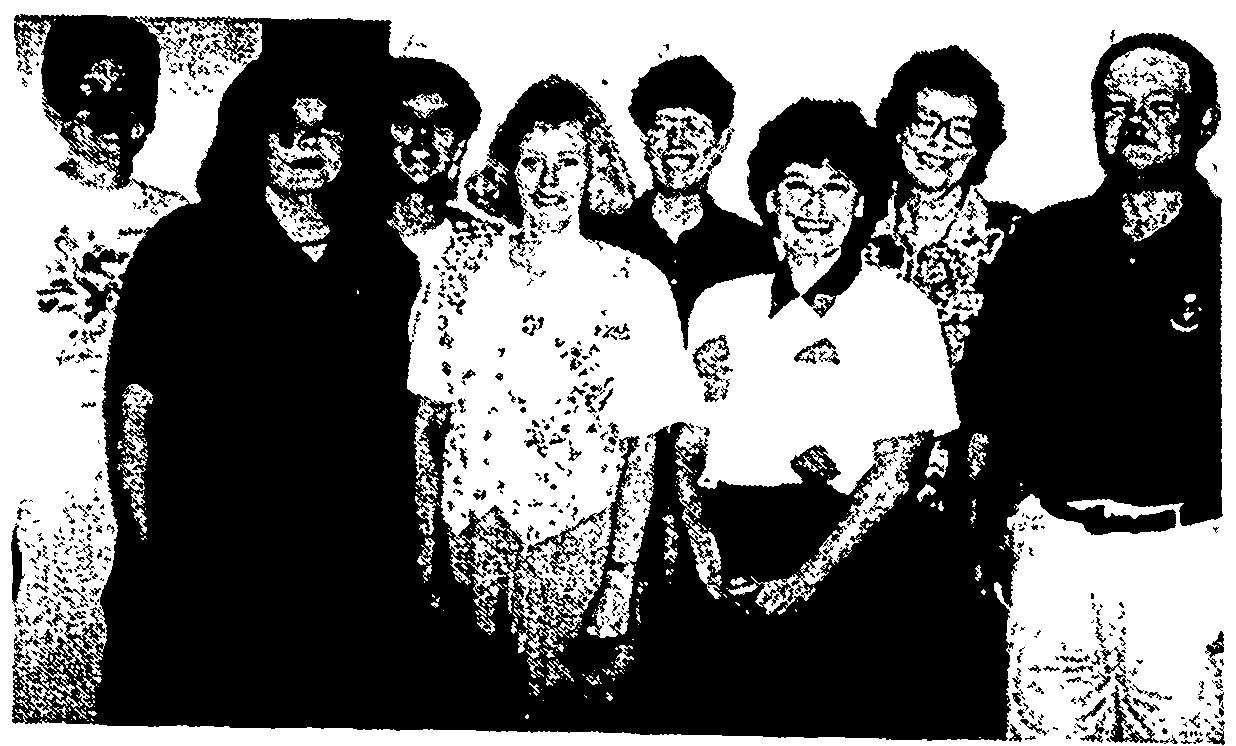
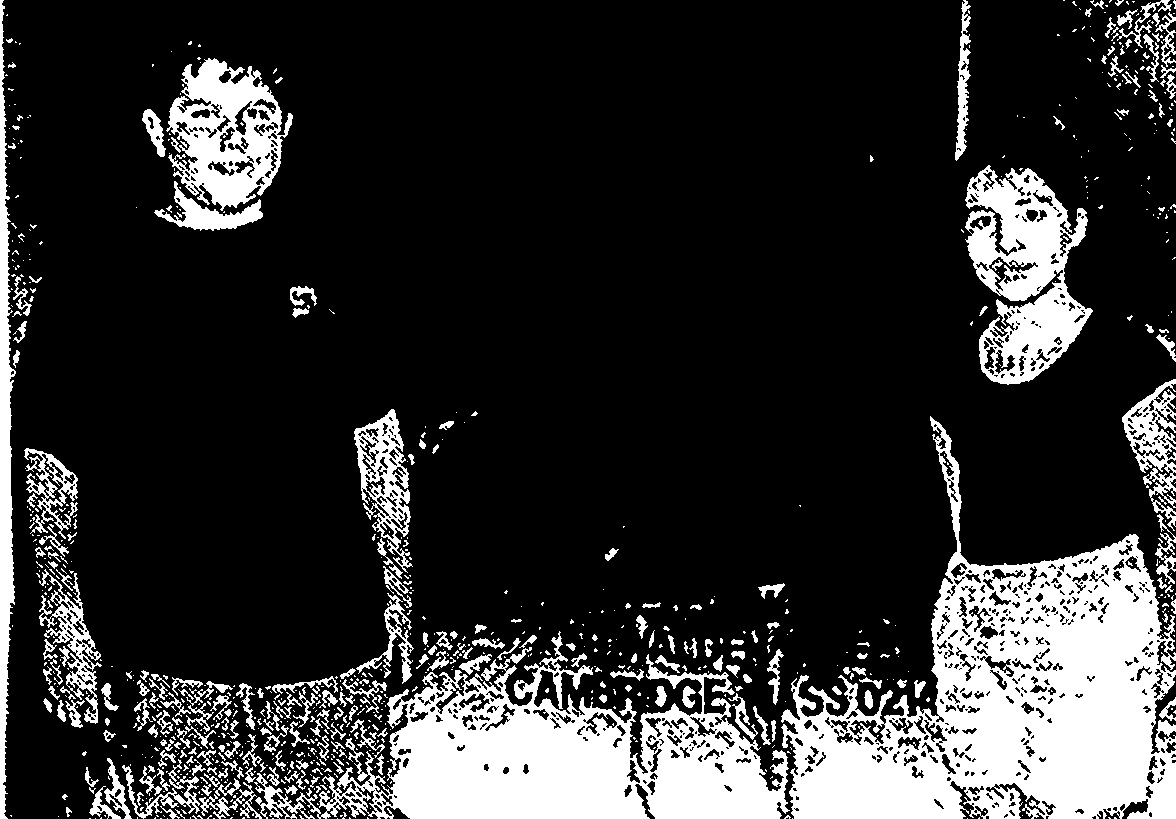
Uehling remained a place for younger children to begin school. In August 1996, Uehling Elementary opened with fifty-seven pupils, including ten kindergartners in Betty Murer’s classroom. Connie Marreel taught first and second grades, Shelly Dahl third and fourth, and Maureen Bliemeister fifth and sixth, with Lin Everett as principal. About fifty adults attended the next evening’s open house, where the PTA served refreshments. Photographs from that opening week preserve another generation of the town’s teachers and children. [52]

Gallery: Uehling school life, 1996–2000
Classroom life also remained closely tied to the village. At the December 1996 Christmas program in Uehling’s auditorium, children supplied music and artwork, Edna Bergquist accompanied them, local helpers provided costumes, and school-board families served refreshments. [120]
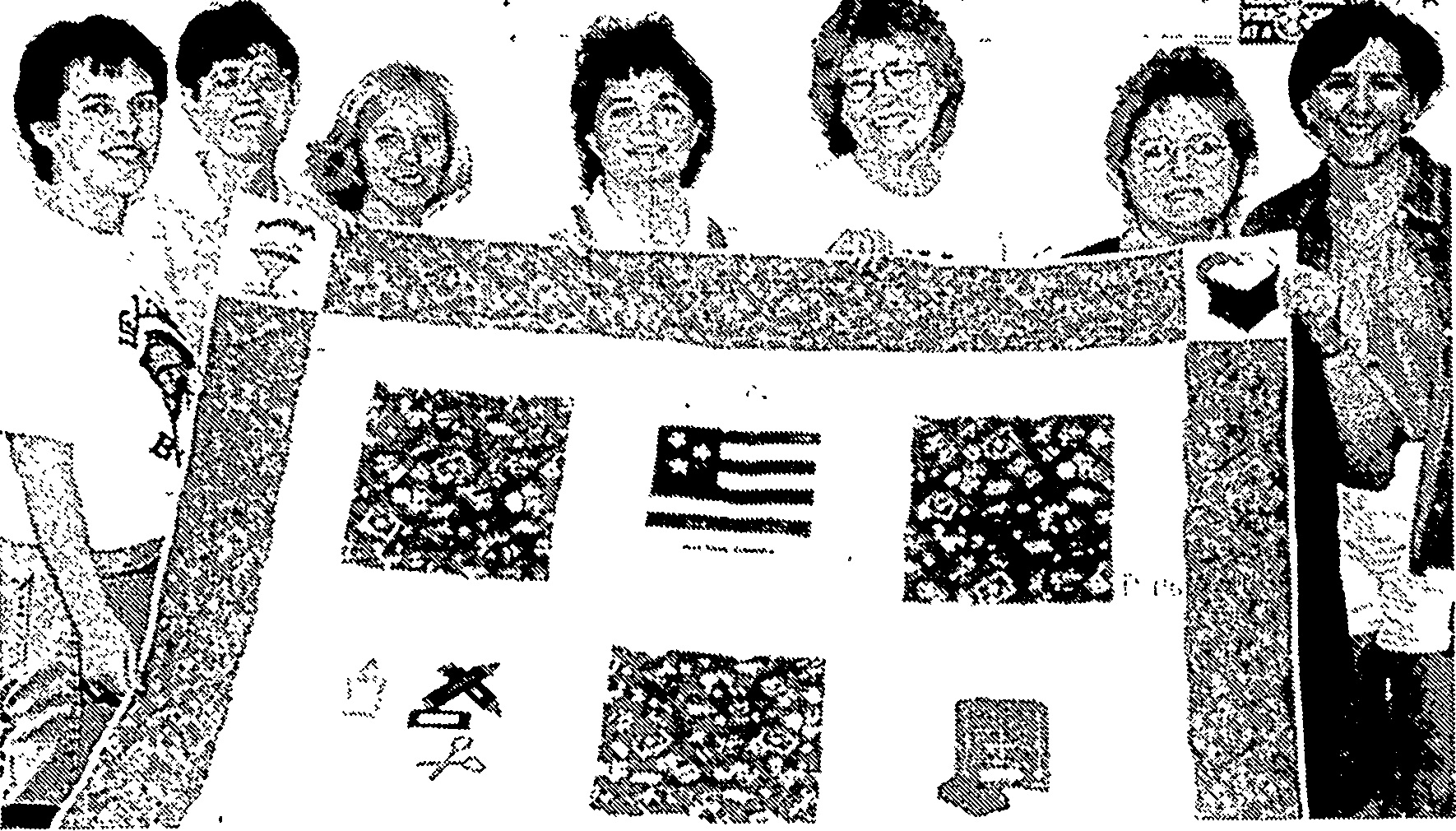
Later photographs document lessons and the people who made them possible. In spring 1998, an inflatable planetarium filled the school gym for a week of space lessons. The following May, colleagues honored Connie Marreel with a quilt as she retired after thirty-seven years of teaching, including twenty at Uehling Elementary. Her earlier classrooms had included Hooper Elementary, Broadview and several rural districts. [121][122]
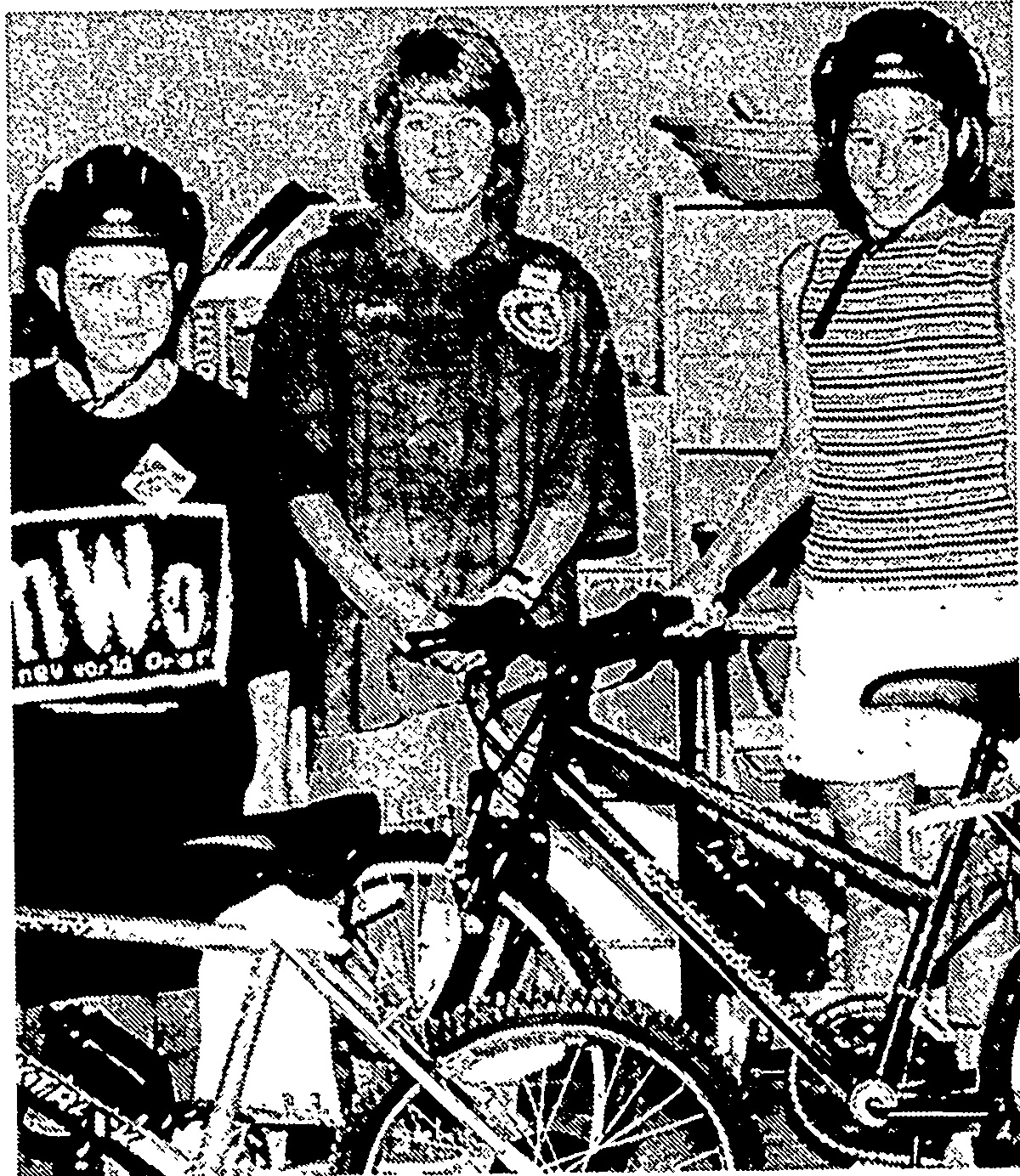
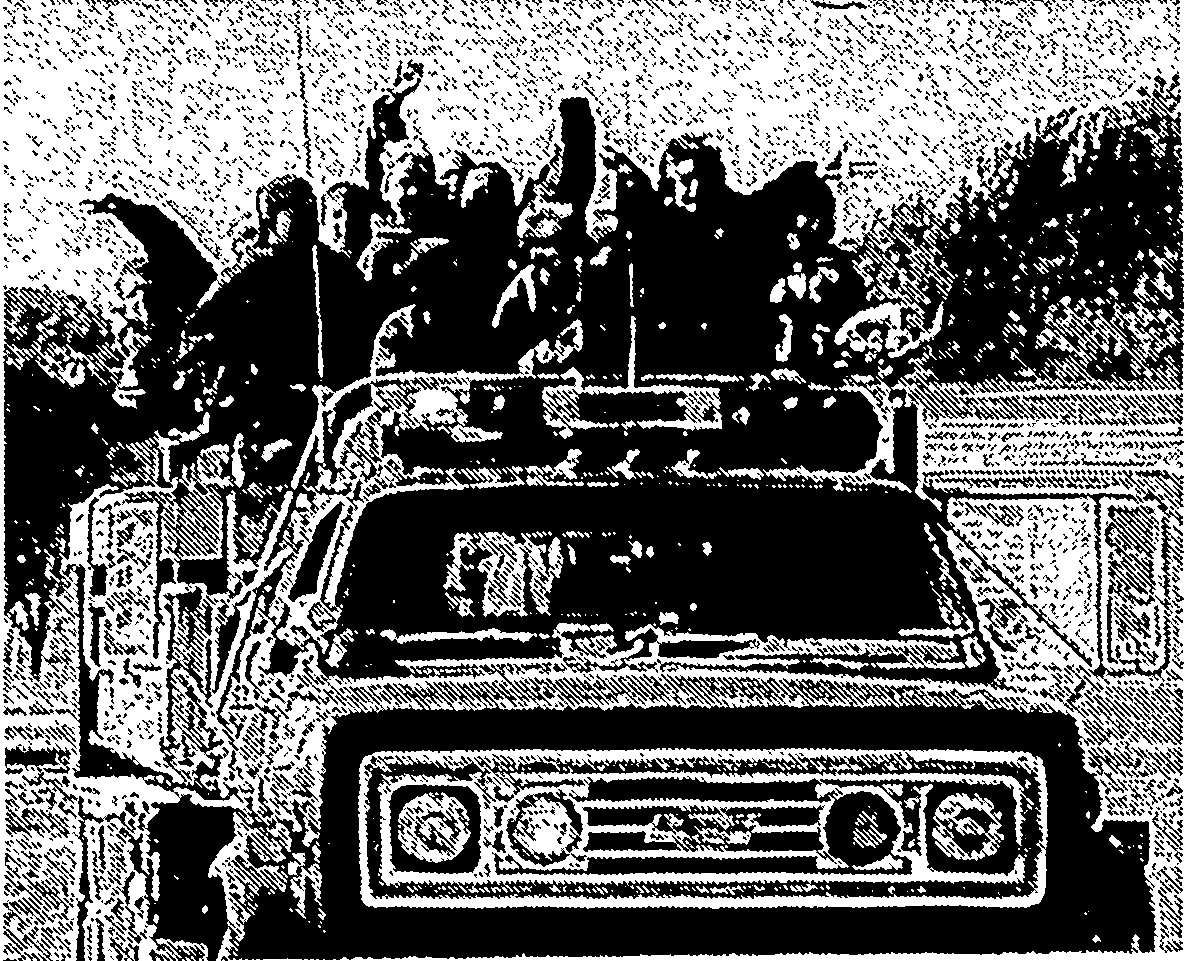
Community visitors brought other lessons. Uehling’s rescue squad gave pupils bicycle-safety instruction and helmets during EMS Week in 1999. In November 2000, Army Reserve veteran Sue Schommer brought military uniforms and equipment for a Veterans Day program; a separate newspaper photograph records pupils enjoying a ride on a village fire truck. [122][123]


1968–1971: Cardinals and Bobcats become Raiders
A school shared by several communities developed through a series of decisions. The centennial history describes discussions in February 1967, a January 1968 public hearing in Hooper’s City Auditorium and approval of reorganization that May. Hooper, Uehling, Nickerson, Winslow and surrounding rural school communities became part of the new arrangement. [53][1]
Students combined before the new campus existed. Senior-high pupils attended the Hooper building, while junior-high classes used Uehling’s school. Blue and gold became the shared colors. Debbie Krutilek later recalled finishing her freshman year at Uehling and riding a bus to Hooper as a sophomore in 1968–1969, with access to more courses and new friendships. [1][54]
Astro Heights, the Raiders and the Logan View name
The board initially selected Astro Heights. The Raiders nickname was already being used during that period: an October 1968 football report referred to Astro Heights, Hooper-Uehling and the Raiders within the same account. The nickname therefore preceded the final school name. [55]
By April 1969, the board had unanimously approved Logan View following a student vote. The Fremont Tribune reported sixty-four votes for Logan View, ahead of Hooper-Uehling, Astro Heights and the other choices it listed. Foust’s anniversary account connects the name to Logan Creek and preserves the transition in the class of 1969’s papers: its commencement announcement said Astro Heights, but its graduation program and diploma said Logan View. [56][2]
Planning and opening the new campus
The new Class VI District 94 proposed a $1.5 million building bond for a September 10, 1968 election. The chosen site was north of Winslow, west of Highway 77, with classrooms, a library and instructional-materials center, auditorium, cafeteria, gym and athletic field. [57]
In January 1969, superintendent Robert Gaston and principal Dean Cunningham posed over its floor plans. The Tribune described about 330 pupils then attending the combined program in Hooper, and a 77,000-square-foot building designed for as many as 500. Classrooms would surround a library and media center; the plans included science project rooms, a greenhouse, vocational and industrial arts, language study and a gym intended to seat 1,800. [58]

On April 10, 1969, the Tribune announced a groundbreaking ceremony for the following Monday, April 14. Christensen Brothers of Pender was the general contractor, with completion anticipated in August 1970. This contemporary announcement places the groundbreaking plans in 1969, rather than the 1970 date printed in the later centennial history. [56]
The new campus was in use by fall 1970. Foust gives September 8, 1970 as the first day students arrived; a contemporary October newspaper notice independently identifies the “new Logan View High School” as the location of a Young Farmers meeting. Krutilek recalled that her class became the first to graduate from the new building in 1971. Opening the campus and holding its first commencement were separate milestones. [2][59][54]
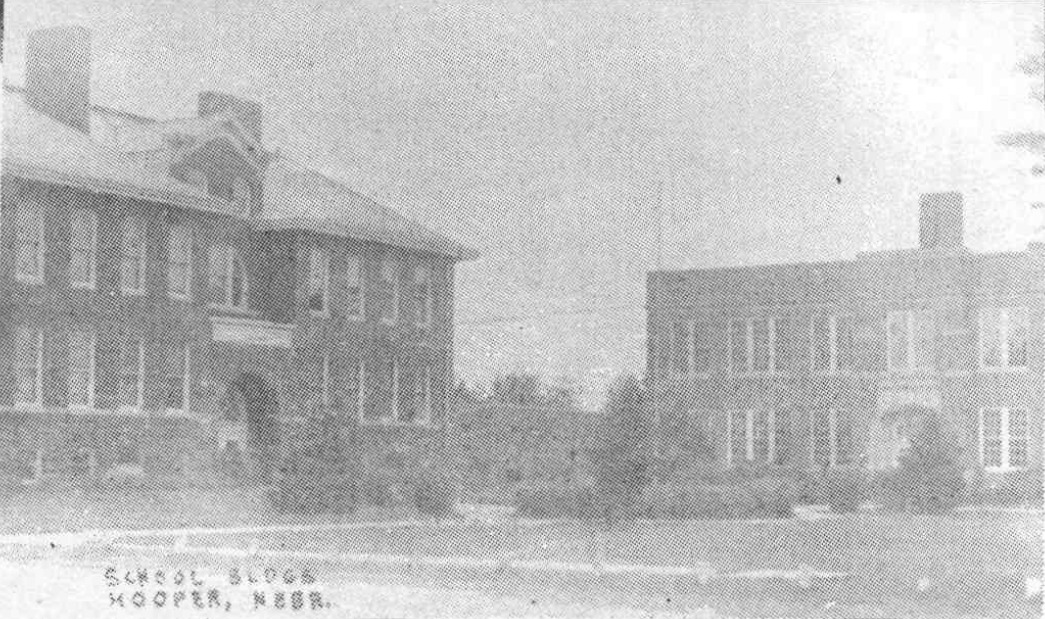
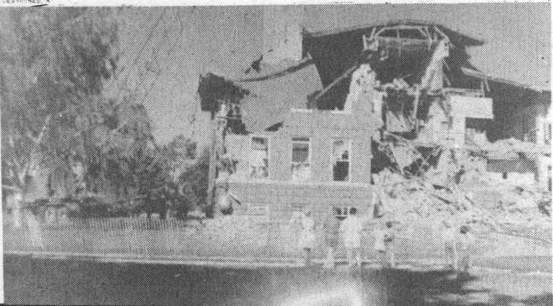
Hooper’s former high school continued as an elementary building. Its older neighboring grade school—the building opened in 1909—was demolished in 1970. The centennial photographs document both the earlier two-building campus and that demolition; they should not be mistaken for the removal of the 1924 high school. [18]

Inside Logan View’s classrooms
1970–1971: subjects at the new school
The state’s 1970–71 educational directory gives a view inside the new school. Alongside English, mathematics, science and social studies, its teaching assignments included Spanish, art, vocational agriculture, home economics, business law, economics, typing, shorthand, industrial arts and mechanical drawing. The directory names Robert Gaston as superintendent, Bruce Bartels in band, Larry Dedic in agriculture, Thomas Dorcey in Spanish and Alice Osterloh in the library and media program. [103]
1993: business classes connect with other schools
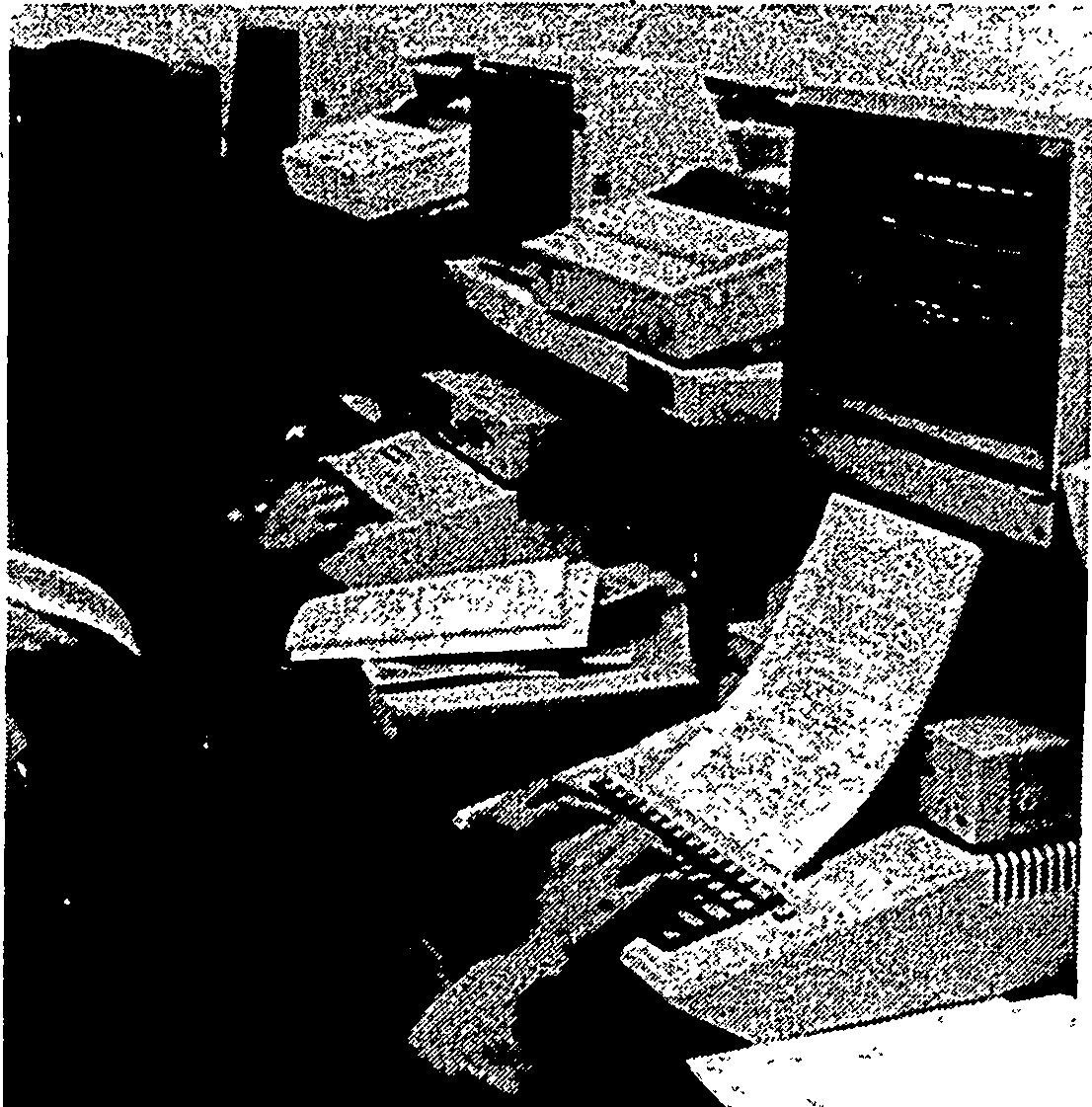
By November 1993, Logan View’s business classrooms were using a modem and networking software to reach information beyond the campus. Teacher Gary Beard described access to Nebraska Online, including 1990 census information, and a Small Business Administration databank. Through PSI-Net, students could exchange opinions with pupils at other schools, develop pen-pal relationships and receive electronic mail. The newspaper pictured exchange student Jon Kubin working at a computer. [104]
Business teachers Alan Ott and Beard were also developing competency profiles for eleven courses. Students received records of the tasks they had mastered, along with assessments of work habits, to carry into employment or further education. The same month’s American Education Week tribute photographed teachers and administrators alongside the bus drivers, kitchen workers and custodians who supported school life. [104][105]


1997–1998: one district for kindergarten through graduation
Creating the secondary school had left elementary education in separate districts. Nearly three decades later, Logan View’s next major change concerned how those schools were governed. Superintendent Harlan Schrieber told a legislative committee in January 1998 that a proposal to reorganize, close the elementary buildings, and build a new K–6 facility had failed in May 1996. A revised plan followed. [60]
The 1997 proposal joined the Class VI secondary district with seven Class I elementary districts: Hooper, Uehling, Nickerson, Rosedale, Luther-Broadview, District 88, and Sheridan R-17. This proposal contained no bond issue or building project. It would create a Class III K–12 district while the existing elementary buildings continued to operate. [61][62]
Voters approved the reorganization on November 25, 1997. The Rustler-Sentinel printed the official results as 319 for and 110 against in the town districts, and 172 for and 97 against in the rural districts. Together those figures make 491–207. The newspaper identified June 1, 1998 as the effective date. [63]
On June 1 the new District 594 board began its work. Its resolutions dissolved the former elementary and junior–senior high districts and established the combined district. Dave Hingst became president, Steve Kruger vice president, Lon Strand secretary, and Ron Bowman treasurer. Terry Rasmussen, Kim Liston, Roxanne Meyer, Greg Johnson, and Steve Fauss completed the nine-member board. Harlan Schrieber remained superintendent; Jerry Ribbe was named secondary principal and Jim Calder elementary principal. [64]


Technology was part of the transition. At its final meeting in May, the outgoing District 94 board discussed a lottery-funded distance-learning consortium involving 37 eastern Nebraska schools. The plan called for equipment, training, and curriculum work in 1998–99, followed by classes in 1999–2000. The new K–12 board also approved a lease-purchase arrangement for telephone and computer equipment and wiring in the schools. [65][64]
2012: bringing the elementary children to the campus
After district reorganization, children still attended several buildings. Foust describes kindergarten and first grade at two locations, second through fourth grades in Hooper’s former high school, and fifth and sixth in an addition at Logan View. Bond proposals failed in March 2008 and August 2009 before the successful 2010 vote. [2]
District consolidation and building consolidation happened years apart. The district’s October 2021 newsletter dates the successful elementary construction bond to May 2010. In January 2012 the Fremont Tribune reported that nearly $7 million in bonds had been approved and that the new addition was preparing to receive kindergarten through sixth-grade pupils that fall. It described fourteen classrooms, two additional flexible rooms, a media center, cafeteria and lunchroom, a gym with a stage, and new wrestling and weight rooms. [66][67]
The district’s own 2016–17 annual report confirms the transition: it called that school year the fifth in which the entire student body attended the Logan View campus. At that time the K–12 enrollment was 552, drawn from an area of approximately 200 square miles in Burt, Cuming, Dodge, and Washington counties. Seven regular bus routes covered 400 miles a day and carried 384 students. Those figures show how much of the school’s daily life connected the surrounding countryside with the campus. [68]
Hooper’s Maple and Park school-grounds tour record dates the elementary pupils’ move from the former high school to fall 2012. The old village campus and today’s shared campus are linked parts of the same educational history. [10]
Raider traditions: music, agriculture and student life
A band with roots in both towns
The Nebraska State Bandmasters Association dates the combined band to the spring 1968 merger. Its history credits Bruce Bartels with leading the program from 1969 through 2003, followed by Myron Poessnecker from 2003 to 2008 and Andrew Norris beginning in 2008. The association records the band’s first Worlds of Fun festival in 1974, a Sweepstakes Trophy there in 1980, a concert-band appearance at the Nebraska Music Educators Association convention in 1978, and a lab-band appearance in 1990. [69]
Getting to those events required work outside the rehearsal room. In February 1974 the newspaper described a drive to raise nearly $2,000 for the April 27–28 Kansas City trip. Plans included a soup supper at the school, scrap-iron collection, recitals, and concerts. The band’s history was also a history of families and neighbors helping students travel. [70]
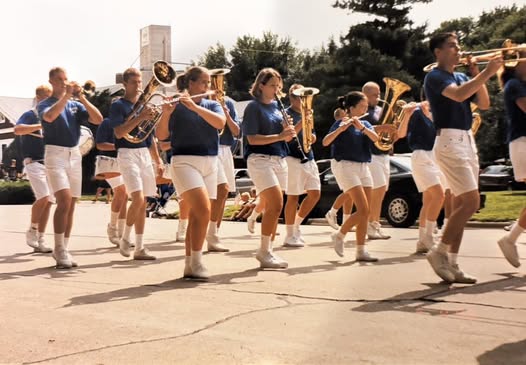
Music also connected the shared school with the towns it served. In 1993, the Logan View Junior High Band played patriotic music and accompanied the audience at Uehling’s Memorial Day ceremony; a school vocal chorus performed as well. A photograph shared by Kim Ruwe Deprez preserves another part of that tradition: Logan View musicians marching in a Hooper parade, approximately 1994–1998. [107][108]
Learning, leadership and activities
Agricultural education and FFA have given successive generations opportunities to lead beyond their home district. The Nebraska FFA Association’s official history identifies Logan View chapter member David Dam as state president in 1986–87, Kevin Sagehorn in 1995–96, Houston Moseman in 2006–07, and Gage Hoegermeyer in 2015–16. Its later rosters also name Nic Taylor as state secretary in 2016–17, Rebecca Wulf as a state vice president in 2020–21, and Meredith Ruda as a vice president in 2025–26. The named presidents document at least four officers from the Logan View chapter in that position. [71]
Foust’s 2026 anniversary account records four National Merit Scholars and thirty-seven students with ACT scores of at least 32, as well as district runner-up finishes in speech and play production. Those are the totals preserved in his retrospective, rather than continuously updated school statistics. [72]
College preparation also took several forms. The 2016–17 annual report recorded 158 college credits earned by 24 juniors and another 95 earned by 15 seniors. JAG Nebraska lists Logan View among the schools beginning its Jobs for America’s Graduates program in 2024–25. The district announced an Excellent Nebraska Department of Education classification in November 2024; that is a recognition for that reporting period rather than a permanent rating. [68][73][74]
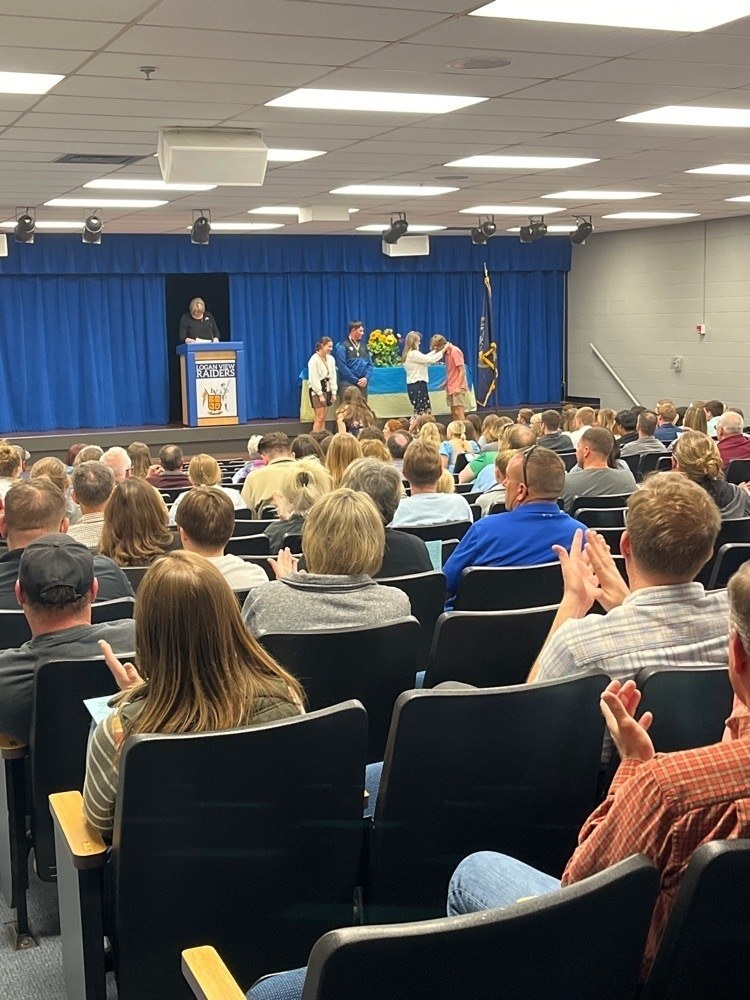
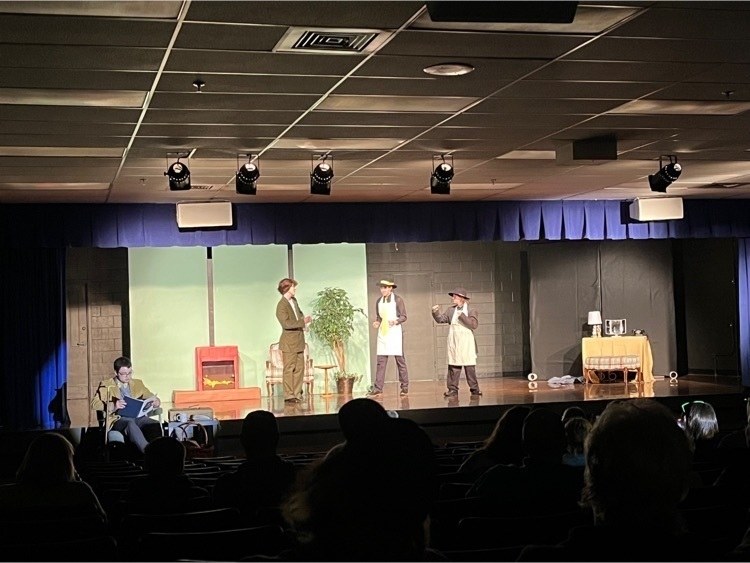
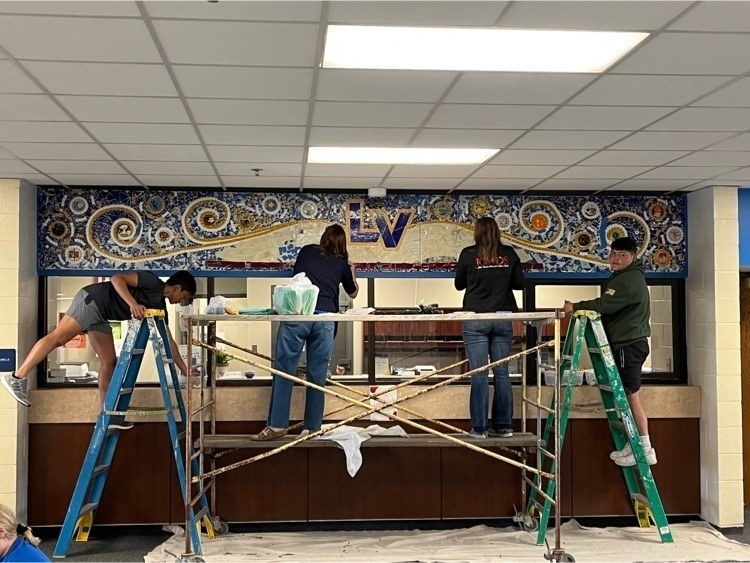
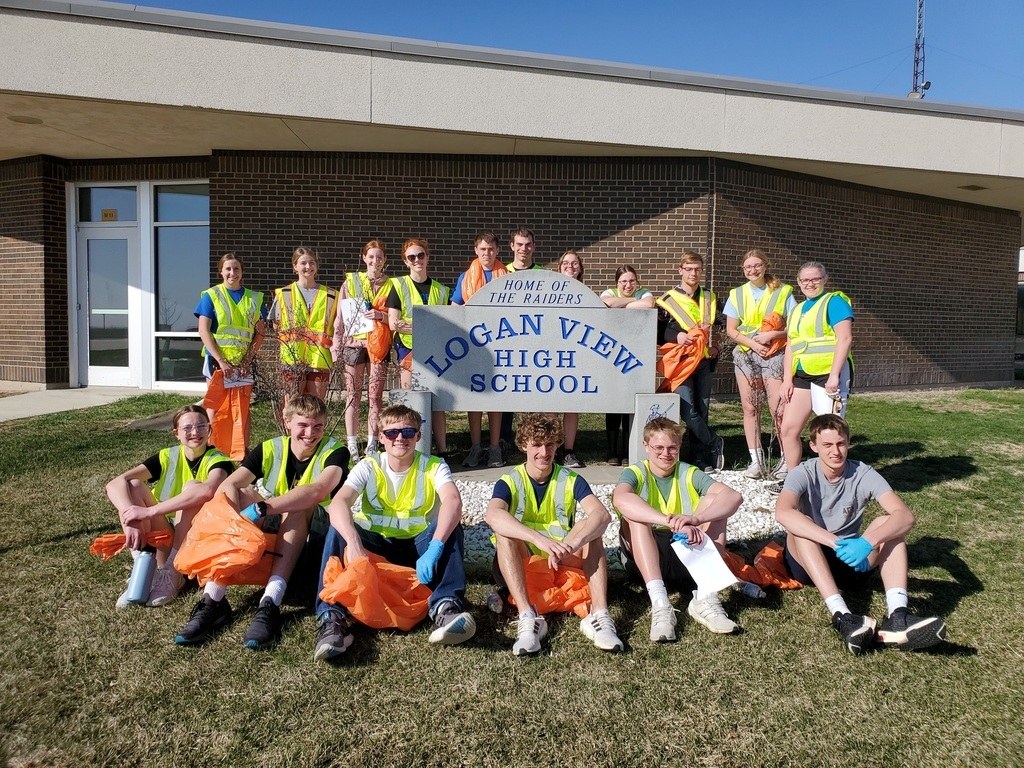
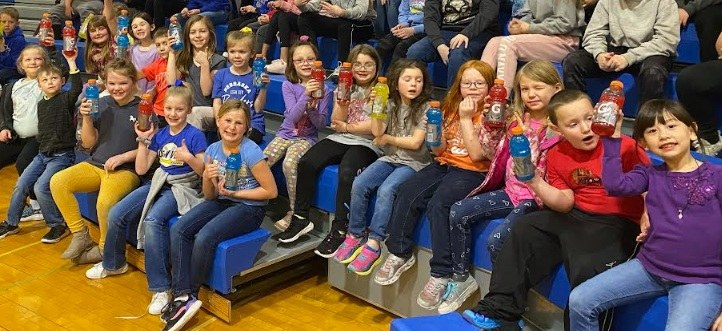
The school’s photographic record preserves the ordinary work behind those institutional milestones. In spring 2023, students staged The Drowsy Chaperone, worked with Mrs. Saylor on a school mural, and joined National Honor Society highway-cleanup work. A school food drive collected 1,352 items for the Dodge County Food Pantry; Mrs. Streeter’s first-grade class contributed 147 of them. [75]
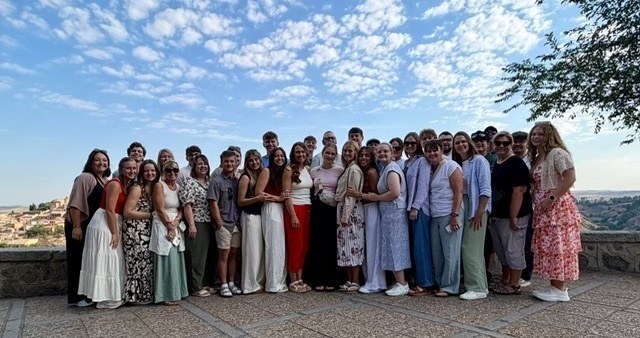
In July 2026, Spanish teacher Amber Leinart reported on a fifteen-day educational trip through Spain and Gibraltar. The itinerary connected language practice with architecture, art, history, and daily life. The school published photographs of the travelers in Toledo and elsewhere, adding an international chapter to the experiences of students from this rural district. [76]
Raider teams and athletes
The 1978 boys golf championship began a three-year run near the top of Class C. Logan View’s winning score of 340 edged Plainview’s 342; Chris Moyer finished ninth individually with 83 and Mike Janssen tenth with 84. Logan View was state runner-up in both 1979 and 1980. Brian Lindgren placed second individually in 1979 and fifth in 1980. [77] [109][110][111][112]
The girls basketball teams reached the state tournament in 1978, 2000 and 2004. [78]
Gallery: the 1993–1994 basketball season
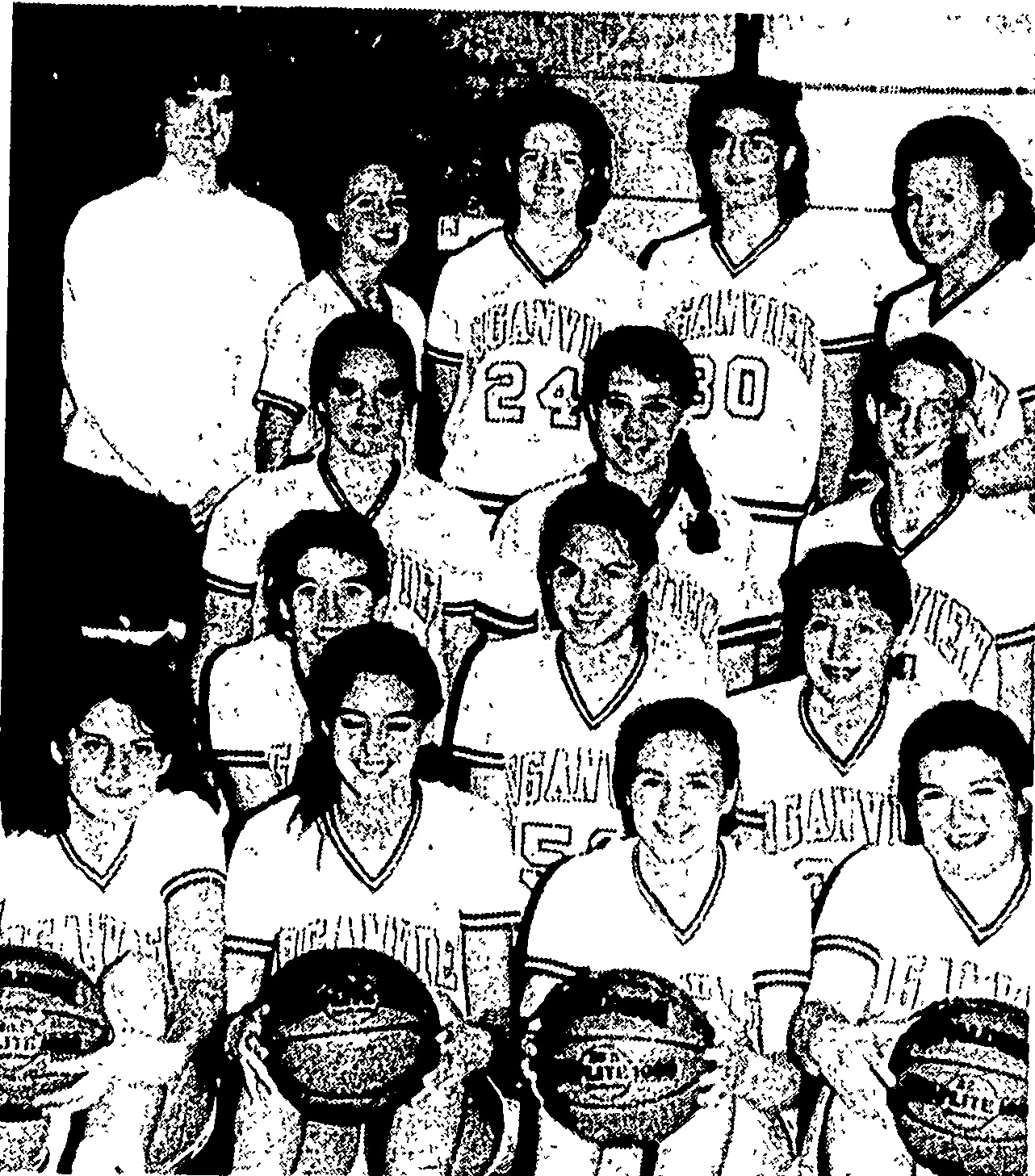
Team photographs also preserve seasons beyond the championship lists. The December 8, 1993 Hooper Sentinel pictured Logan View’s girls varsity team under Doug Bartek, the girls junior-varsity and freshman group under Angie Svec, and the freshman boys. These portraits document the teams of the 1993–94 school year. [106]


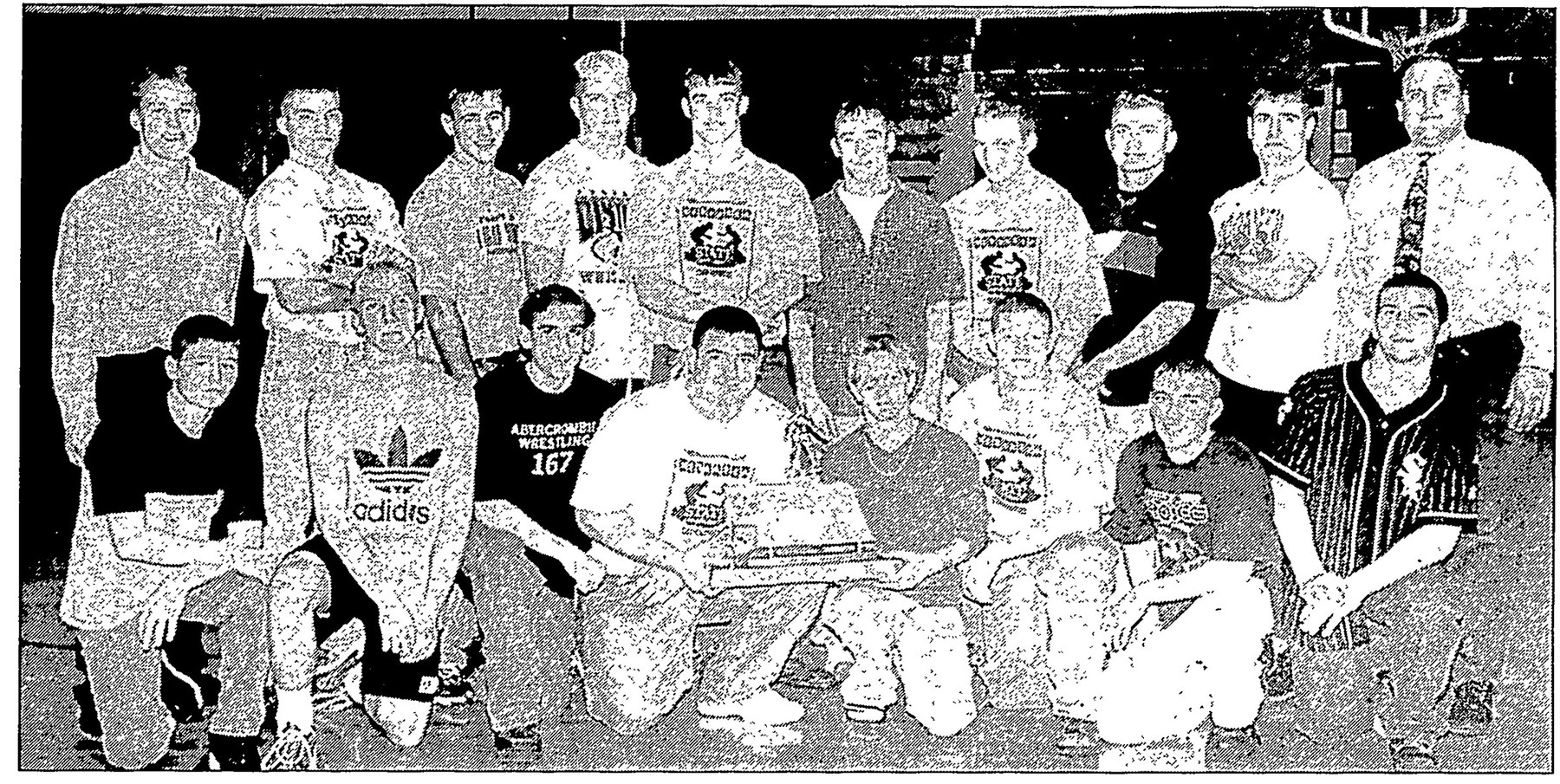
In 2000 the wrestling team brought home the Class C state title with 101.5 points, ahead of Tekamah-Herman’s 83. Eric Brand won at 103 pounds and Jerame Dennis at 275; Colt Johnson and Josh Petersen placed third in their divisions. Jordan Petersen, Jon Carlson, and Chris Liston also competed at state and contributed points. Coach Brent Ksiazek’s account emphasized the full team’s role. [79]
The NSAA’s historical record also identifies individual state champions Jeff Kment in 1988 and Logan Booth in 2022, alongside Brand and Dennis in 2000. [81]
Jordan Larson’s Raider career became part of a much wider volleyball story. Logan View reached the Class C1 state final in 2003 and the semifinals in 2004 during her high-school years. She also competed in basketball and track. After her University of Nebraska and Olympic career, the NFHS named her to its National High School Hall of Fame class of 2026. [82][83]
The school’s competitive setting has changed over time. Logan View’s board minutes document the move to the Nebraska Capitol Conference for 2020–21. Cooperative teams with Scribner-Snyder are another part of that history. A state-filed report lists a sports sponsorship agreement beginning August 1, 2014, and the Logan View board separately approved a high-school football co-op for 2024–25 and 2025–26. Those agreements concern shared teams; they do not establish a merger of the two school districts. The 2014 date is the start date of that listed agreement, not a claim that the schools had never cooperated in an earlier sport. [84][85][86]
The school continues to change
State enrollment records counted 592 Logan View pupils in 2024–25: 262 in the junior–senior high school and 330 in the elementary school, including 29 preschoolers. This is a dated enrollment snapshot, not a count for the current term. [87]
A March 2025 facilities proposal failed, and the district invited public feedback. The revised financing proposal distinguished a $21.5 million bond from an additional $6 million lease-purchase component, for a proposed total of no more than $27.5 million. [88][89]
The next large facilities project moved from planning into visible work in 2026. Contractor Hausmann reports that a $21.5 million bond passed in November 2025. The district’s May 22, 2026 update showed demolition inside the high school entrance area. By June 24 its photographs showed a dedicated technology office, centralized server space, a relocated business office, and new doors intended to control access to different parts of the building. [90][91][92]
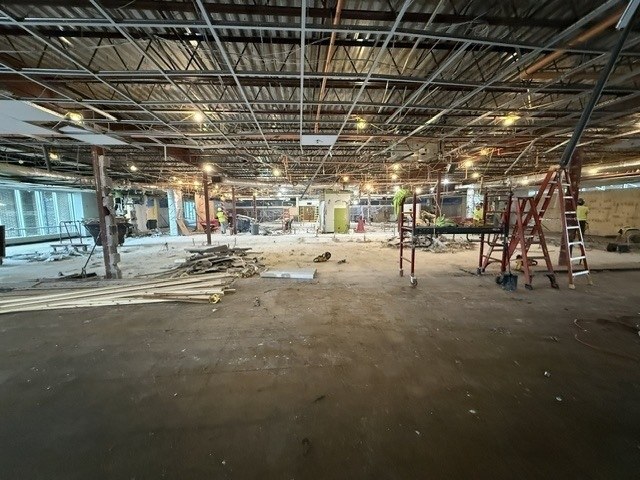
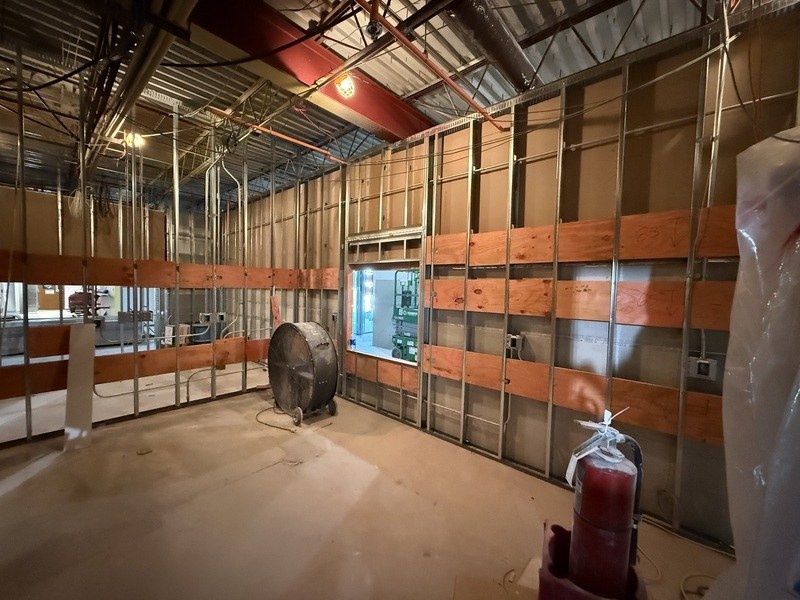
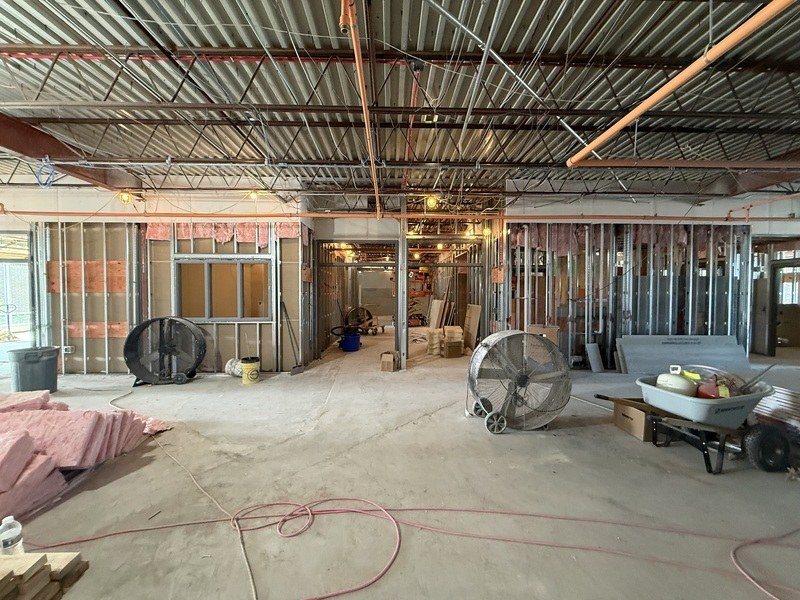
A July announcement invited the community to tour the renovated west entrance and administrative area on August 11. The broader project continued: a September 14, 2026 amendment in the public board packet listed a construction guaranteed maximum price of $26,414,521, with substantial completion scheduled for February 18, 2028 and final completion for March 19. Those are project schedules, not completed milestones, and the construction price is not interchangeable with either the bond amount or the total project budget. [93][94]
There is also a place for the older schools in the remodeled campus. In July 2026 Superintendent Craig Taylor asked alumni for Hooper Cardinal, Uehling Bobcat, Astro Heights, and early Logan View memorabilia for a historical display near the activity entrance. Yearbooks, photographs, varsity letters, jackets, and sweaters can help preserve the identities that came together here. The district’s public request for alumni contributions explains how to help. [95]
Help preserve the next part of this history
A diploma, class photograph, band program or yearbook can connect the names in these records with people a family remembers. If you have material from Hooper, Uehling, Logan View or the surrounding rural schools, please contact info@celebratehooper.com. Include the school, approximate year, people you can identify and who owns the original so it can be documented accurately for the Hooper History Database.