When Alfred Egbers began restoring Swaburg's old post office, the small building had already served a very different purpose: part of it had been used as a chicken coop. In April 1972, the Fremont Tribune visited a family project that was giving the former mail stop another life.[1]

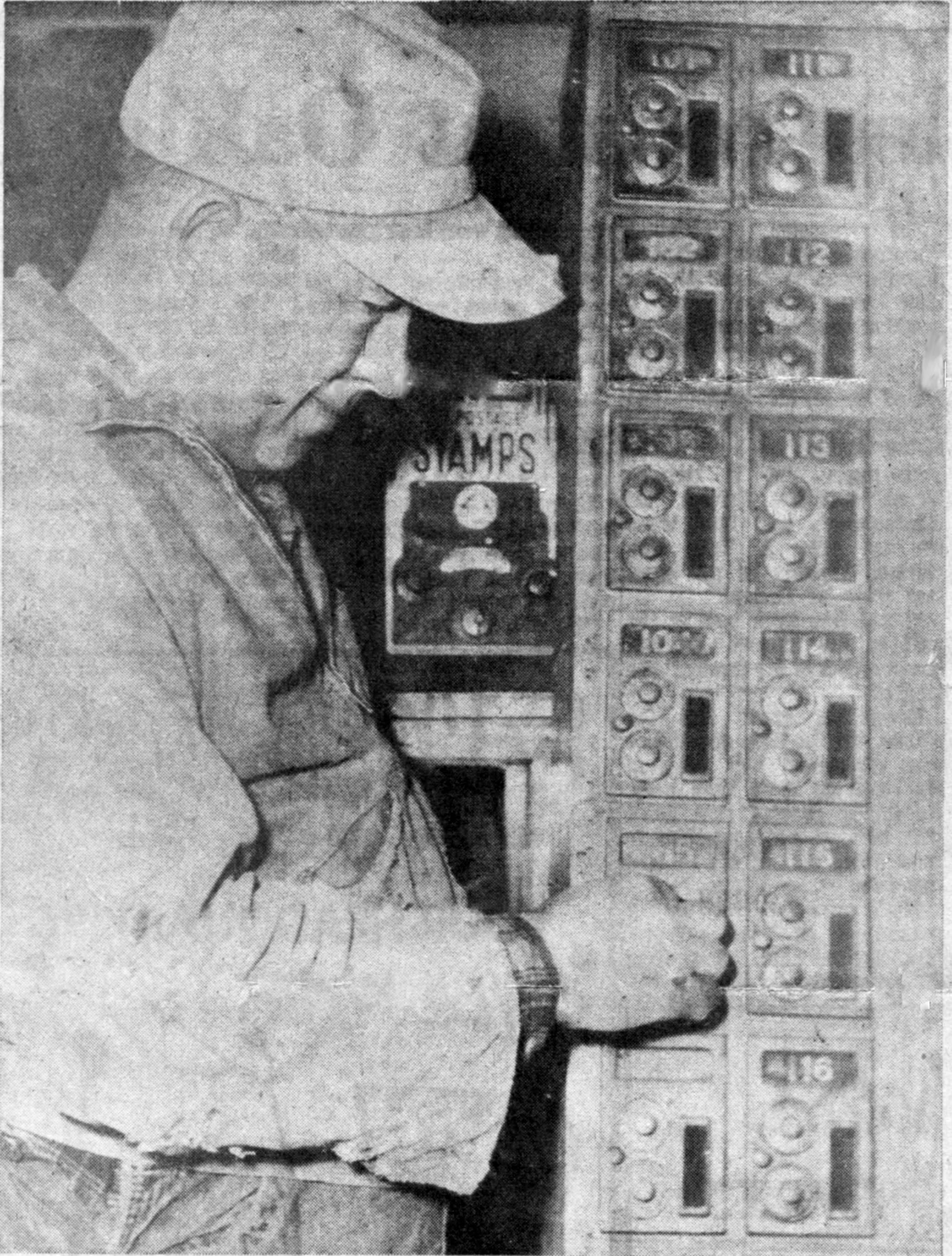
Egbers had bought the post-office building and its neighboring outhouse in 1970. His family helped clean and restore them at the Egbers farm. For the interior, he obtained mailbox furniture from an old building in Uehling. A surviving newspaper photograph shows him working with the boxes intended for the restoration.[1]
That detail makes the photograph more interesting. It records the choices involved in preserving a place: the Swaburg building and furnishings gathered elsewhere to help tell its story. Those boxes should not be mistaken for documented original Swaburg fittings.

A community around church, school and mail
Swaburg was part of the rural life of northeastern Dodge County. The 1921 county history describes Swedish settlement in Logan Township and a postal route linking Hooper and Herman three times a week. It places the post office in section 14 before a move to section 24 in 1888.[2]
Its chronology requires care. That book dates the office's beginning to 1881, while a transcription of federal postmaster records published by the Eastern Nebraska Genealogical Society lists Peter Saisper's appointment on May 2, 1872. The transcription subsequently names Mary H. Larson and Eric Morill and records the office's discontinuance in April 1901, with mail going to Hooper. We have read the published transcription, not the original federal register.[2][3]
The conflicting opening dates are a reason to keep tracing the records, rather than attach a confident founding year to every photograph. The same newsletter preserves references to local schools and community events, showing how much more there is to the place than a post-office name.[3]
The buildings people chose to save
A local history collection credits Beverly Egbers with photographs and information about Swaburg. Its images include schoolchildren, a blacksmith shop, the old post office and buildings preserved by the family. The collection gives researchers several ways to connect a name on a map with places people actually used.[4]
The dated 1972 reporting is particularly valuable because it catches preservation while it was happening. It does not tell us the present condition of the buildings or establish public visiting arrangements. Those questions need a current answer before the property could be presented as somewhere to tour.
Preserving history beyond the farm
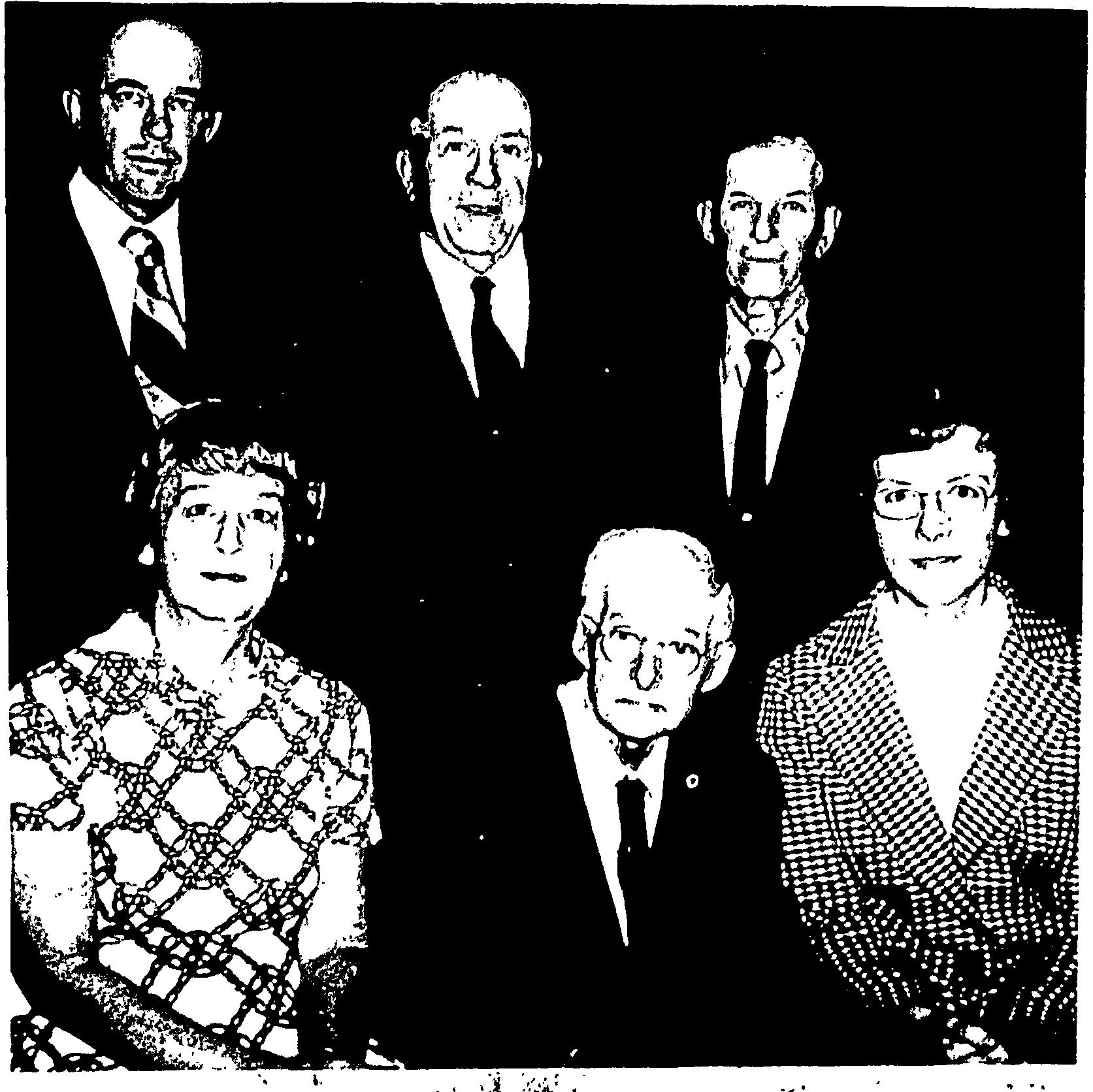
Egbers also took a role in Scribner’s new museum. On September 19, 1973, the Scribner Rustler pictured him with the Musbach Museum board and reported his selection as vice chairman. The city had accepted Amos Musbach’s gift of a Main Street building, and volunteers were being sought for cleanup, painting and repairs. Saving the post office belonged to a wider local effort to keep everyday history from disappearing.[7]
A postal name can disappear while a community continues
Swaburg should not be written off as a deserted town. Elim Lutheran Church identifies its continuing congregation with Swaburg Road and dates its founding to 1871. Dodge County's 2024 cemetery records also list Elim and Swaburg Baptist cemetery parcels. Church and cemetery records preserve connections that the closure of a post office did not erase.[5][6]
The old post office offers a way into that longer story. It once helped connect rural households to the outside world. Decades later, the effort to save it helped connect another generation to the community's past.