The old elevator photographs show more than tall buildings. Wagons gather beside Farmers Grain and Stock Company; a manager and bookkeeper pose outside its office; a curfew bell stands near an early cooperative elevator. These were places where Hooper’s farm economy met the town’s everyday life.[1]
The story runs through two related stages. Farmers Grain and Stock Company was organized in 1890. In 1915, local Farmers Union members formed a cooperative and bought its elevator, buildings and equipment. Over the next six decades, their business expanded into fuel, trucking, fertilizer and far larger grain-storage facilities.[1]
1890: grain, livestock and the supplies farms needed
Farmers Grain and Stock Company bought both grain and livestock. Its customers could also obtain lumber, coal, building materials and metal or cedar posts. The centennial history presents a business serving several needs on the same trip into Hooper, rather than an elevator concerned only with storing grain.[1]
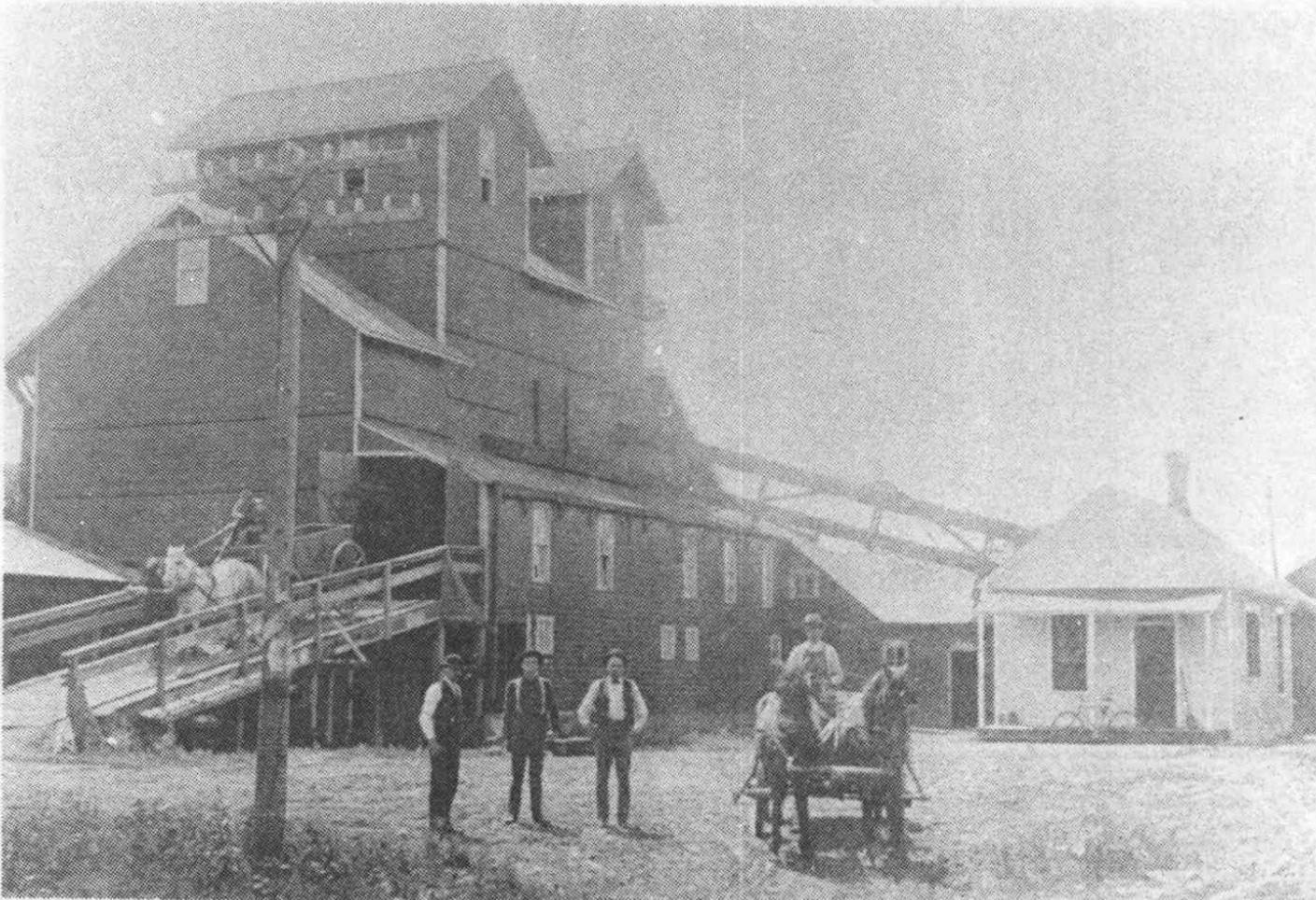
The operation also changed its machinery. In 1902, gasoline power replaced the steam power used at the elevator. The photographs show a complex that included a substantial elevator and smaller working buildings. One later view centers on the office, a reminder that accounts and sales were as much part of the business as the machinery above them.[1]

A newspaper shipping list gives a close look at a week’s livestock traffic. The July 23, 1903 Hooper Sentinel listed Farmers Grain and Stock Company shipping a car of hogs on Thursday, Friday, Saturday and Tuesday during the preceding week. Other entries named Nye–Schneider–Fowler and individual shippers. Several businesses and farmers were using Hooper as an outlet for livestock.[2]

The people at the office door
A photograph identifies Henry Edelmaier as manager and William Meyer as bookkeeper at Farmers Grain and Stock Company. They stand outside the office, giving two names to the business that appears in the shipping lists. The date of the photograph is not supplied in the centennial history.[1]

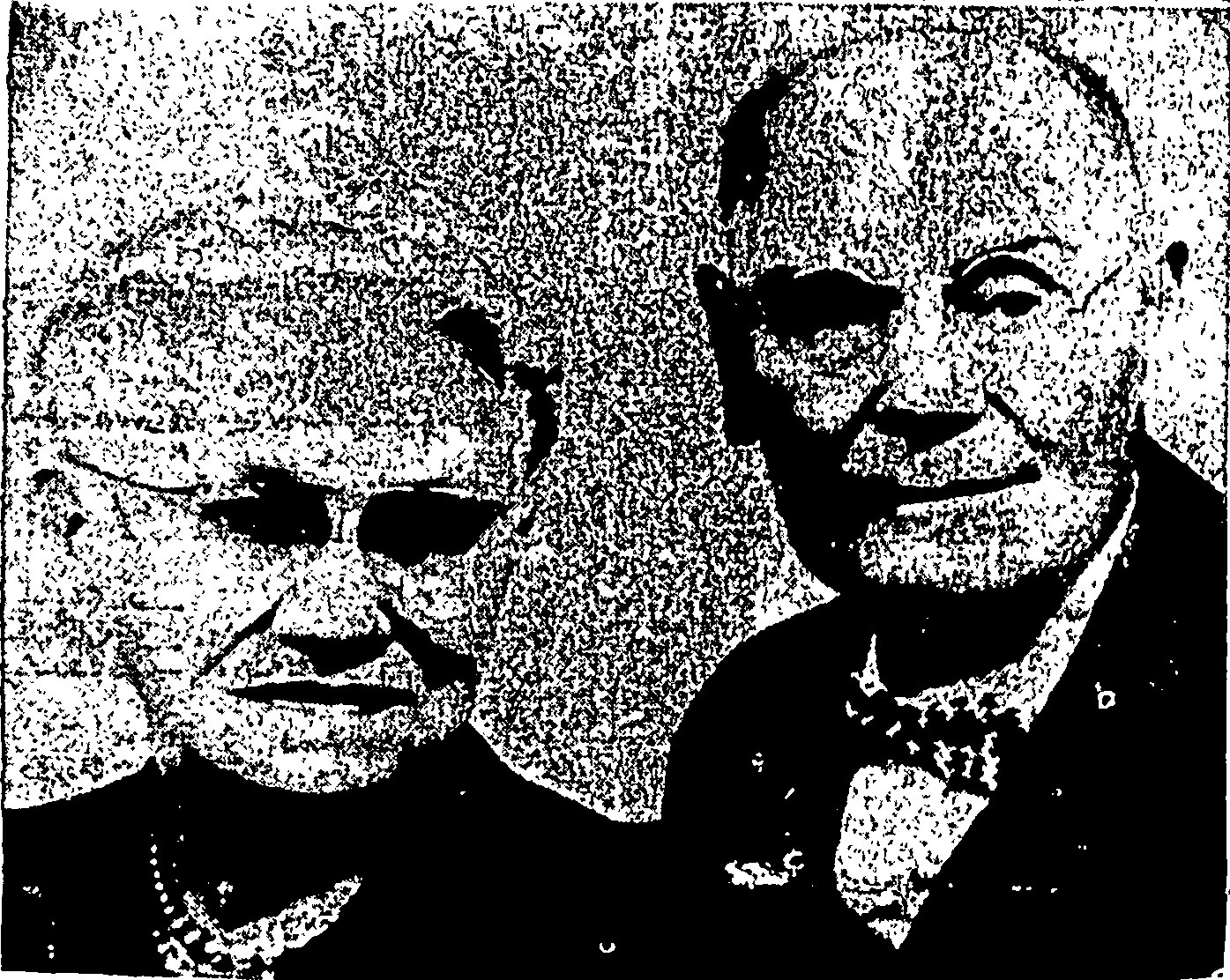
Edelmaier’s career continued into the cooperative years. A 1954 newspaper profile, published for his and Ida Edelmaier’s sixtieth wedding anniversary, recalled his work with both Farmers Grain and Stock and the Farmers Union operation. It also followed a working life that connected Hooper with neighboring communities through banking and cooperative management.[4][5]
1915: local farmers organize a cooperative
The cooperative history begins with recorded minutes from April 24, 1915. Farmers Union locals serving the Hooper area proposed a central meeting to organize an association that could buy or build an elevator. On June 5, members acted to form the Farmers Union Cooperative Company and elected a nine-member board.[1]
John Havekost became president, J. G. Hunteman vice president, C. S. Diehl treasurer and Norman Shaffer secretary. The other directors were William Dau, Walter Olson, C. D. Briggs, George Otteman and George N. Meier. Stock subscriptions totaled approximately $20,000.[1]
The group offered $9,500 for the Farmers Grain and Stock elevator, buildings and equipment, with inventory to be purchased at cost. The offer was accepted June 12, 1915. Henry Edelmaier became the first manager at $140 a month, and the centennial history reports a net gain of $1,345 for that first year.[1]

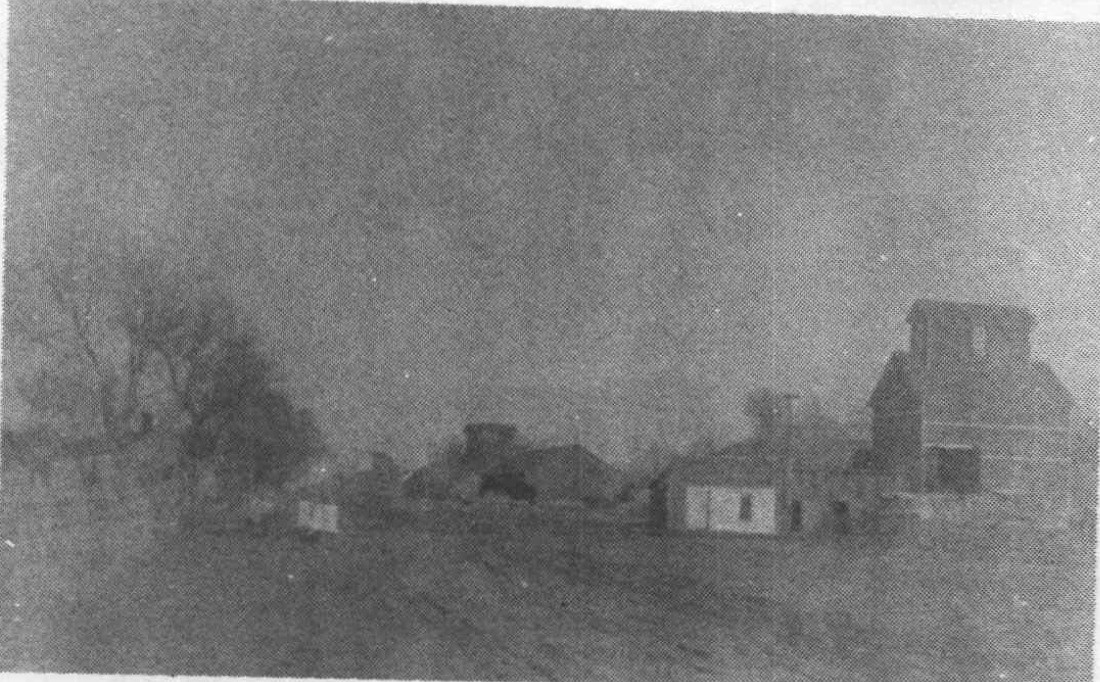
The early elevator photograph shows the cooperative within the town, with the curfew bell nearby. A separate view looking east from the elevator is dated around 1910. That earlier photograph belongs to the predecessor’s years, before the cooperative was organized, and helps place the later business in a landscape already shaped by grain handling.[1]
Making the business work, from scales to fuel deliveries
In 1917, the cooperative joined the Farmers Union Grain Company in Omaha, connecting the local enterprise to a larger marketing organization. William Zellers became manager that year. The history also names Fred Shrader and Mort Mack among the employees.[1]
Changes in farm transportation soon appeared in the yard. In 1919, the cooperative installed a ten-ton scale, and its elevator dump was raised to accommodate trucks. These were practical adjustments to the loads arriving at its doors. The livestock side required facilities too: the history records concerns about the hog sheds and their effect on nearby conditions.[1]
The early 1920s were difficult years, with little expansion and reductions in expenses. By 1926, the company was again buying equipment, including a Ford truck for $795. It also purchased the Latta elevator, which was dismantled to make room for a truck barn. Discussion of a new oil station followed in 1927, and the cooperative established deliveries of coal oil and gasoline.[1]
The Depression and the 1939 fire
Sam Wright became manager in 1930. In 1931, salaries were reduced and directors went without pay for the remainder of the year. The centennial history describes repeated losses and salary cuts during the Depression, alongside continued adjustments to what the company sold and how it operated. Livestock hauling was added in 1939.[1]
Then came a fire. The cooperative’s history records a special board meeting in November 1939 after flames destroyed the elevator and office and damaged the coal shed and garage. Its response included planning a replacement elevator.[1]
A contemporary newspaper captures the alarm as it reached the next town. On November 16, the Scribner Rustler reported that Scribner’s department had received a call for help shortly after 11 a.m. that Thursday. Reports said a Hooper grain elevator was burning. The dispatch was written before detailed information had arrived; the cooperative history supplies the account of its own losses and rebuilding.[3][1]
Wartime work and a wider cooperative world
The 1940s brought renewed growth. The company received government contracts during construction of Scribner Air Base, expanded storage with steel bins west of the elevator and bought the Ewald–Schwab garage building. The centennial account describes rising business and wages during this period.[1]
A March 1949 photograph shows another aspect of the cooperative: a tour to Kansas City involving Hooper, Uehling and Oakland participants. The men pose together in front of large industrial equipment and a bus. The picture records neighboring cooperatives traveling as a group, extending the story beyond the Hooper yard.[1]

Five years later, the newspaper photograph of Henry and Ida Edelmaier brought an earlier generation back into view. Their anniversary profile linked the company’s beginnings to people still living in the area’s collective memory. Henry had worked in both the predecessor firm and the cooperative that purchased it.[4][5]
Fertilizer and larger storage by the centennial
In the 1960s, the cooperative entered the fertilizer business, installing tanks west of town and a dry-blend plant. It acquired the land and storage buildings known as the government bin site and erected two grain tanks with capacities of 80,000 bushels each.[1]
The 1970s brought a new service station and a 250,000-bushel grain elevator. At the time of Hooper’s 1976 centennial, the cooperative history reported assets exceeding $2 million. The enterprise formed in 1915 had grown from a purchased elevator and equipment into a much broader farm-service business.[1]
The photographs allow readers to follow that growth at a human scale: horses outside the old elevator, Edelmaier and Meyer at the office, a bell beside the cooperative and neighbors gathered for a tour. Alongside the minutes and newspaper accounts, they preserve the people and places behind the grain totals.[1][2][4]