A bank photograph can reveal as much about a town as a balance sheet. In Hooper’s 1914 banking room, customers approached a long counter beneath metal grilles, with an elaborate floor underfoot. Another photograph catches men working high on a bank building’s unfinished walls in 1900. Together, the images show a growing town putting considerable care into the places where its money changed hands.[1]
These are the histories of two institutions. Dodge County Bank developed from an 1882 partnership. A separate private banking house established in 1886 became the State Bank of Hooper and then First National Bank. Keeping those two lines in view makes the changing names, buildings and faces much easier to follow.[1][2][3][4]
1882: a bank begins in a small room
The Hooper Sentinel looked back at Dodge County Bank in its January 3, 1901 edition. Its account dated the business’s beginning to May 17, 1882, when T. W. Lyman and John Heimrich opened with $10,000 in capital. Their first banking room measured just 10 by 14 feet. The institution subsequently operated as Lyman and Richards; the contemporary account placed its organization under the Dodge County Bank name in November 1885.[3]
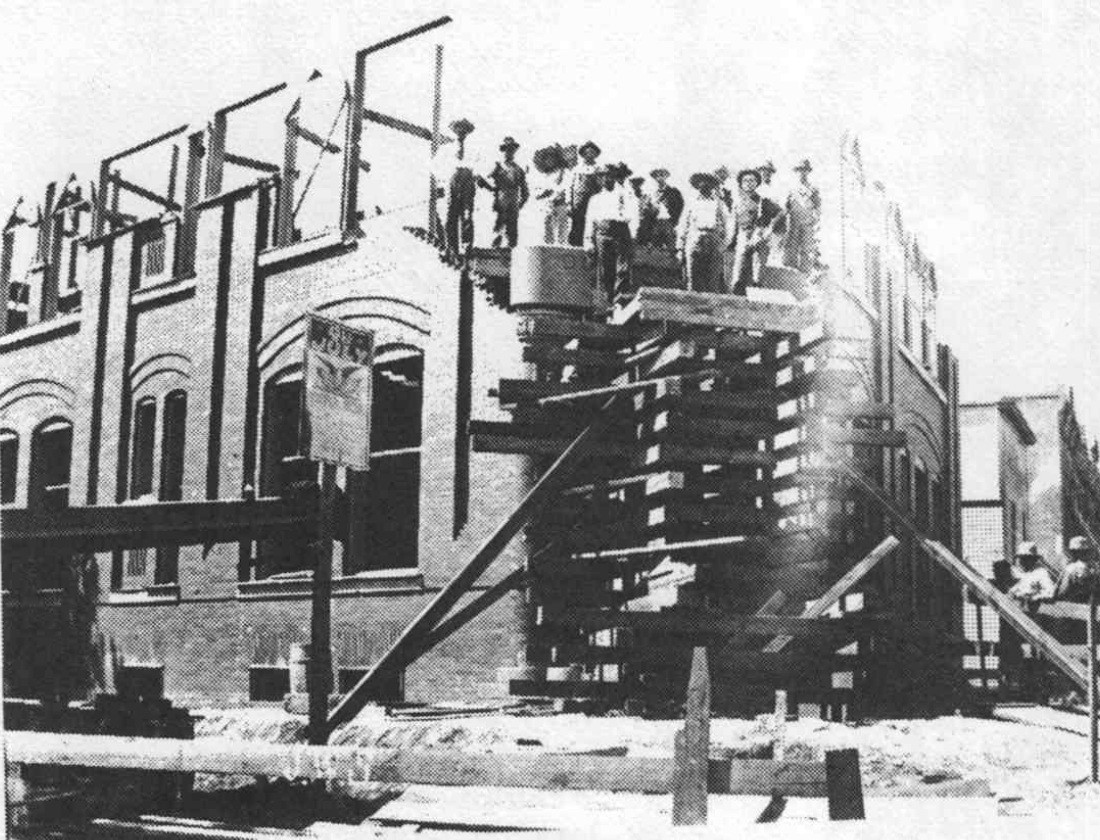
By the turn of the century, that modest room belonged to a much larger story. The bank was preparing a substantial brick building, and a photograph in Hooper’s centennial history dates construction work to August 7, 1900. Men stand on the exposed upper structure while others gather near the entrance below. The photograph records the work behind a landmark that later views usually show complete.[1]
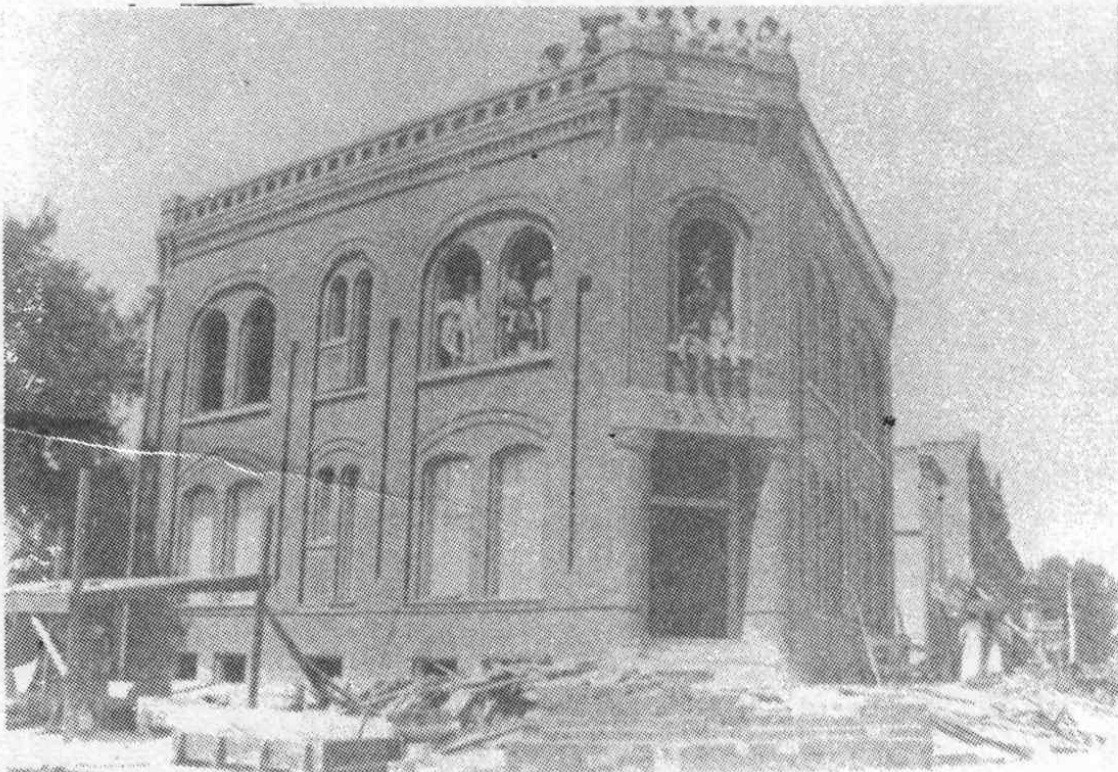
The bank occupied its new quarters on December 10, 1900. The following month’s newspaper described pressed brick and Bedford stone, three vaults, an oak interior, a tile banking-room floor, a furnace, cold water and electric lighting. Those details explain why the building merited a lengthy newspaper profile: its appearance and equipment represented a major change from the bank’s first small office.[3]
Lyman remained an active figure until ill health led him to withdraw from active service in 1910. In January 1919, the bank was considering another expansion. The centennial history describes plans for more working space, a customers’ room, a ladies’ restroom, an upstairs office and a storeroom for the Uhlig Meat Market near the alley. The bank building was becoming part of a wider network of Main Street services.[1]
1886–1900: the separate path to First National
First National traced its beginning to January 16, 1886. Its original private banking house occupied the building that the 1976 history identified as the Hooper Sentinel office. The history names John Heimrich, John Dern and Henry H. Looschen among its founders, with E. J. R. Burgh as the first cashier. The bank’s 1952 anniversary account also gave January 16, 1886, as its starting date.[1][6]

In February 1899, the business became the State Bank of Hooper. A contemporary incorporation notice establishes that stage in the institution’s development and identifies the succession from Heimrich & Co. John Heimrich served as president, H. B. Treat as vice president and H. E. Adams as cashier, according to the centennial account.[1][2]
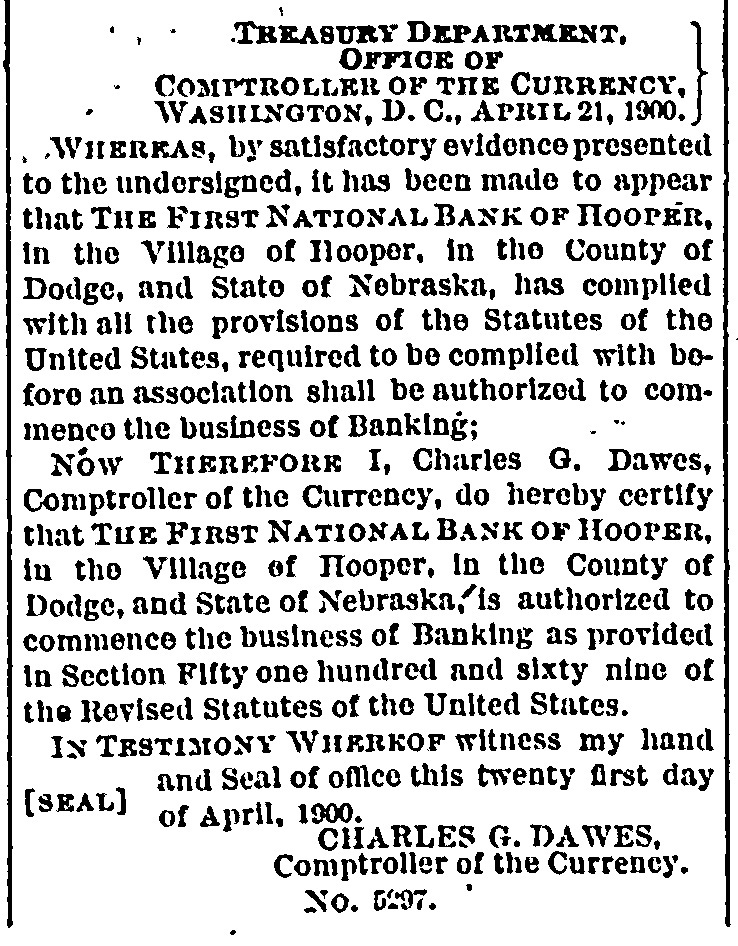
The national-bank name followed in 1900. A federal notice printed in the Sentinel on June 28 carried an authorization dated April 21, 1900, signed by Comptroller of the Currency Charles G. Dawes. It certified that the First National Bank of Hooper could begin the business of banking under federal law. The notice provides a contemporary record of the new name.[4]
1914: a new banking room opens its doors
A new group of investors entered the First National story in 1903: A. M. Tillman, Peter Parkert Sr., W. F. Basler and J. Howard Heine. Tillman became president on August 8, 1904. With an interval when he lived in Omaha, he continued in that role until his death in 1955.[1]
On May 1, 1913, the bank announced plans for a modern, one-story building on a corner lot purchased from the Hecker estate. The centennial history dates its open house to May 27, 1914, with invitations sent to several hundred people. The Scribner Rustler subsequently reported attendance at the opening in its Hooper news column.[1][5]
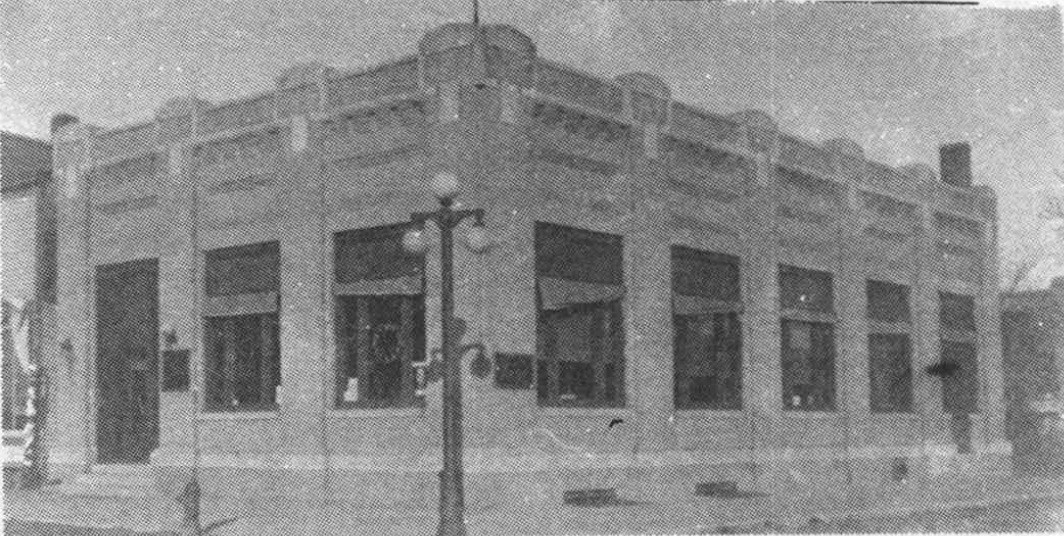
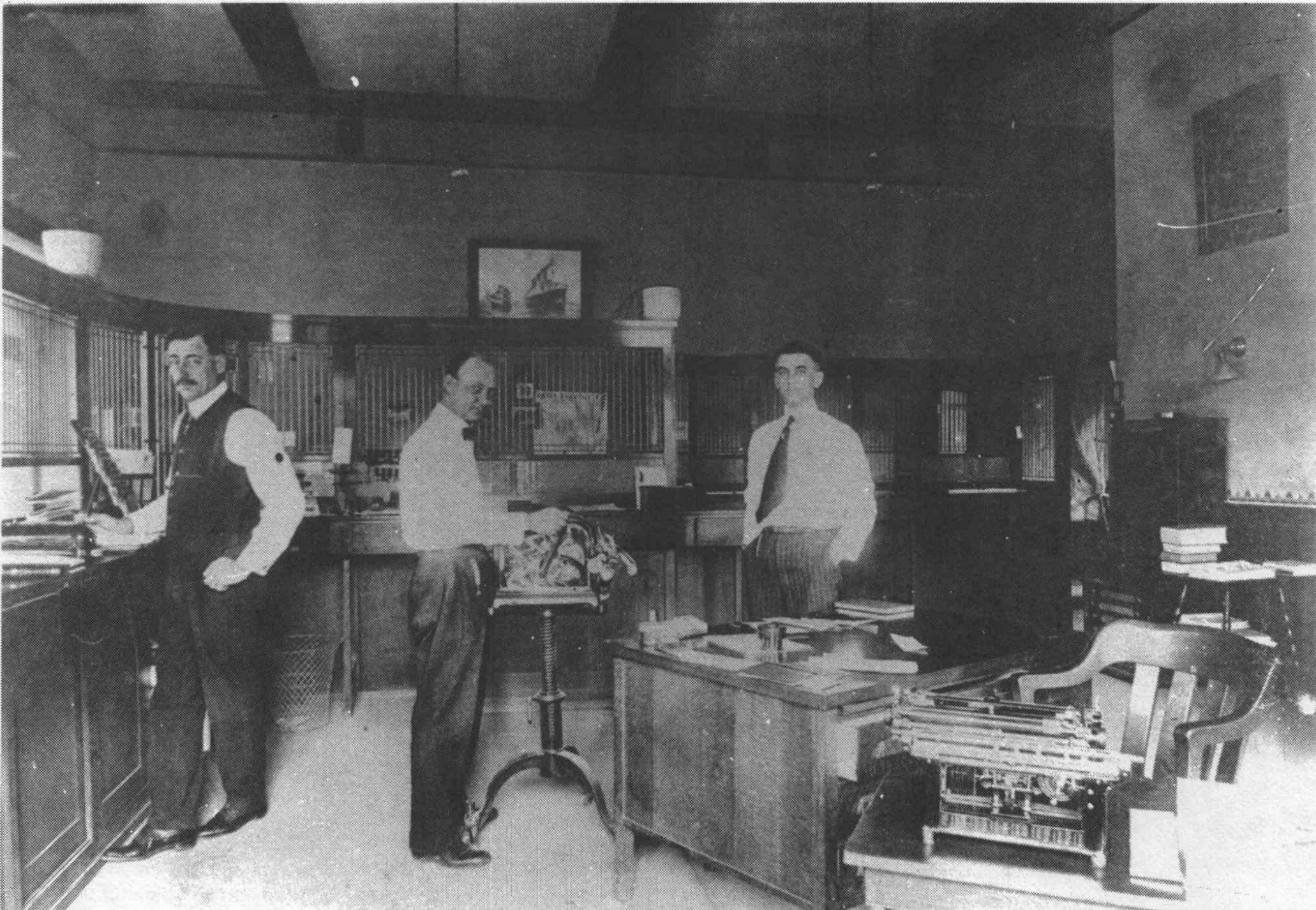
The paired exterior and interior photographs preserve the result. The building presents a low, broad frontage, while the banking room contains counters, grilles, desks and space for visitors. Its interior looks distinctly different from the earlier, narrower room. These photographs document the bank’s physical development as clearly as the changes in its charter.[1]
Familiar faces through difficult years
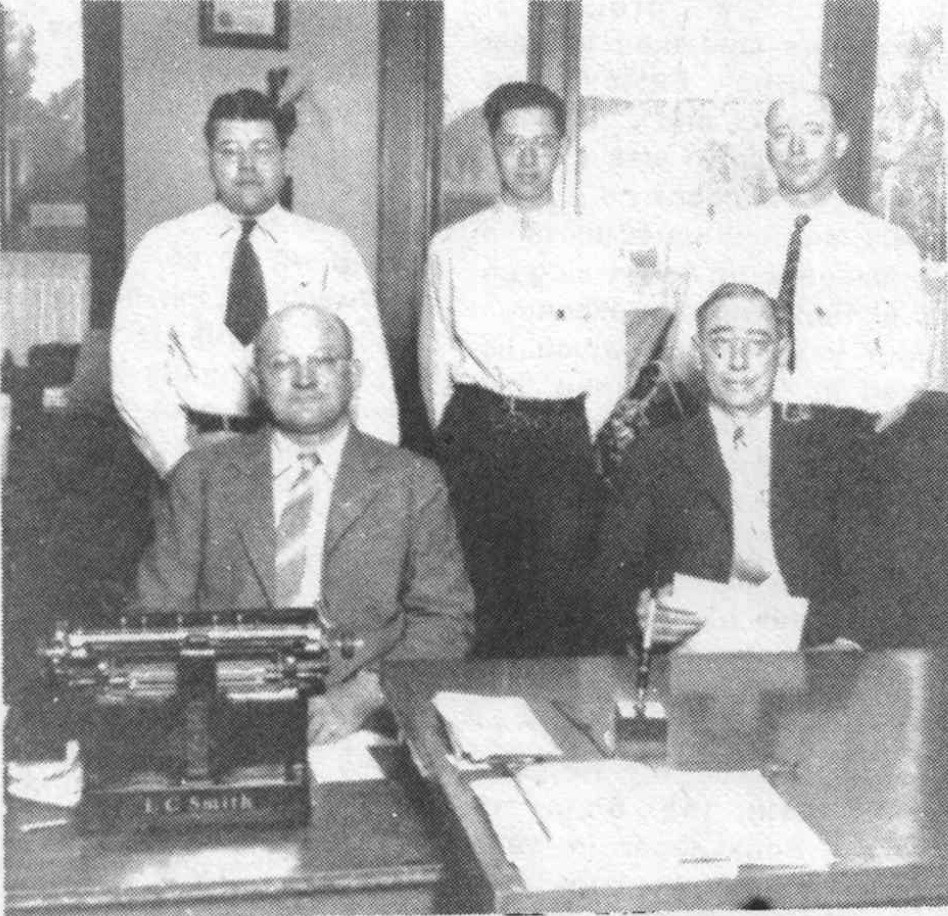
Cashiers and bookkeepers supplied much of the institution’s continuity. J. Howard Heine served as cashier until moving to Idaho in 1912. Herman G. Meyer followed from 1912 to 1916. Norman E. Shaffer became cashier in 1918 and held the position until his death on September 29, 1944. A group photograph dated 1935 preserves some of the staff from that period, although the book does not identify each person.[1]
During the nationwide banking suspension in 1933, First National also stopped business and subsequently resumed operations. Its next major physical challenge came with the 1944 flood. The 1952 newspaper accounts specifically linked the later remodeling program to damage caused by that flood, and noted that a modern safe-deposit vault had been added in 1945.[1][6]
1952: Hooper firms remake the bank
The remodeled building was ready for another public inspection in November 1952. First National advertised an open house for Friday, November 7, from 2 to 5 p.m., with refreshments and souvenirs. The American Legion Auxiliary was to help serve lunch in the Legion club rooms.[6]
Lincoln architect Dean E. Arter designed the new interior. Earl E. Fauss served as general contractor, and the newspaper emphasized that Hooper firms performed the remodeling work. The same issue described a bank serving about 1,600 customers within a 20-mile radius, with customers able to conduct business in person, by telephone or by mail.[6]
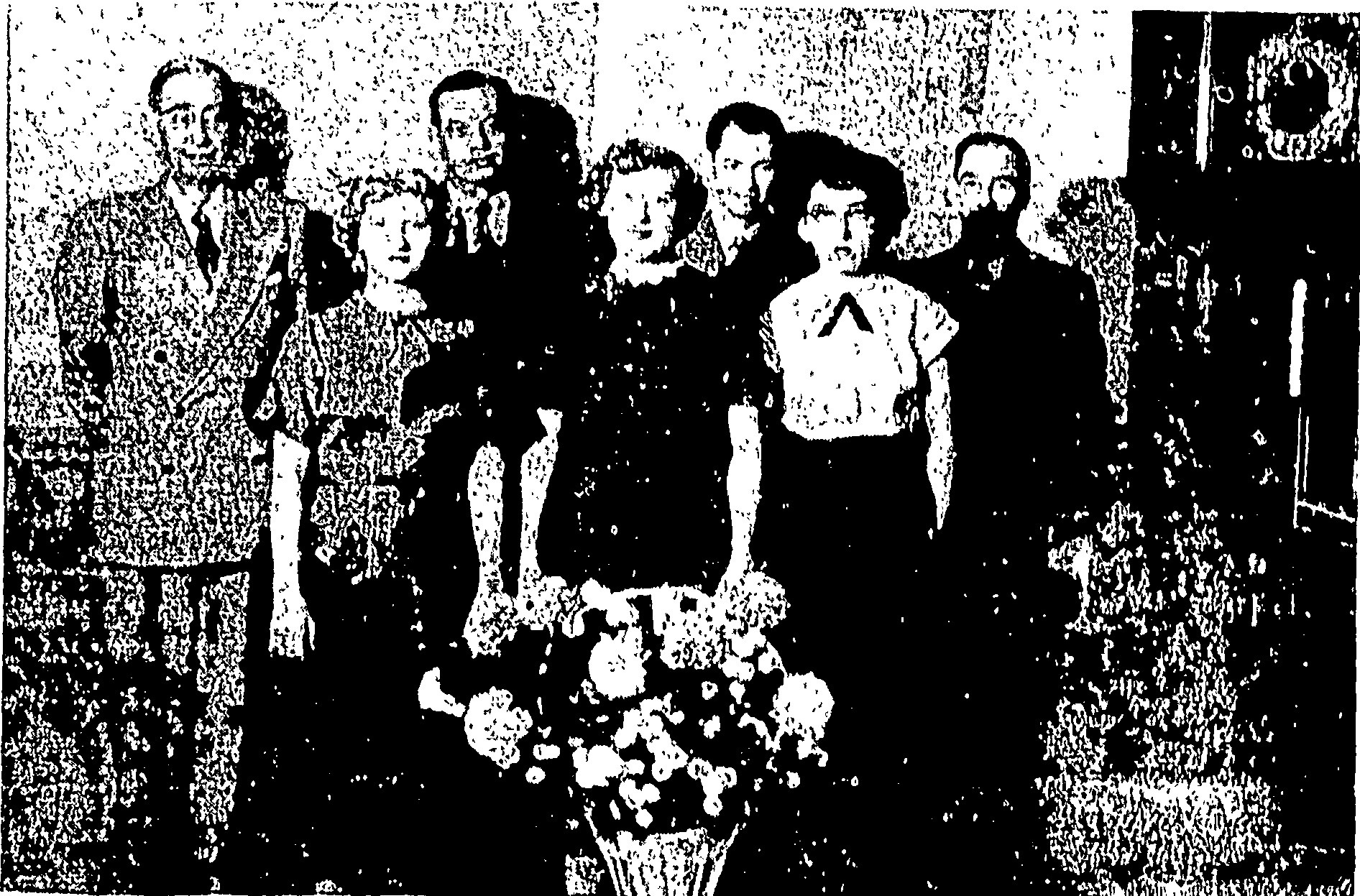
The staff photograph gives names to that moment. A. M. Tillman, George Looschen, William C. Hargens and Donald Shaffer stand behind bookkeepers Vera Bartling, Shirley Langemeier and Orletha Katt. Their names connect the formal institution to the people customers actually met at its desks and counters.[6]
The bank at Hooper’s centennial
After Tillman’s death in 1955, George H. Looschen became president and served until 1962. John A. Shaffer followed from 1962 to 1965, and William C. Hargens became president in 1965. Hargens had first joined the bank as an assistant bookkeeper in 1935. Donald Shaffer, who began as assistant cashier in 1952, served as cashier from 1962 until his retirement at the end of 1974.[1]
By the 1976 centennial, the history reported First National assets of $10 million. Its account looked back over ninety years of growth. The surviving photographs offer a more personal measure of those years: the small original room, the new brick frontage, the crowded 1914 banking room and the staff who welcomed customers after the post-flood remodeling.[1]