
Oscar Samson's mules stopped on the road home from West Point. Behind him, a coffin jolted in the wagon. Ahead, something watched from the darkness. Years later, Samson told the story as a frightening encounter that he had almost carried through life as a ghost sighting.[1]
The tale belongs to the countryside around West Point and Oakland, beyond Hooper's immediate neighborhood. Margaret Richardson Dewald recorded it in a profile of Samson, an elderly regional pioneer, for Nebraska History Magazine. A footnote dates his address to the Cuming County Historical Society to August 29, 1934. The journey itself is undated.[1]
A coffin and a frightened team
In Samson's recollection, a man named Nelson had died at his home after being kicked by a horse. Nelson wanted to be buried in Illinois, and Samson traveled to West Point for a coffin. On the return trip, his team suddenly refused to go forward. With Nelson's death on his mind, Samson wondered whether the dead man was trying to speak to him.[1]
Then he noticed a pair of eyes in the trail. He called out, received no answer and fired between them. The mules ran the remaining distance home. Samson remembered being so shaken that he put them into the barn without removing their harnesses.[1]
What the daylight changed
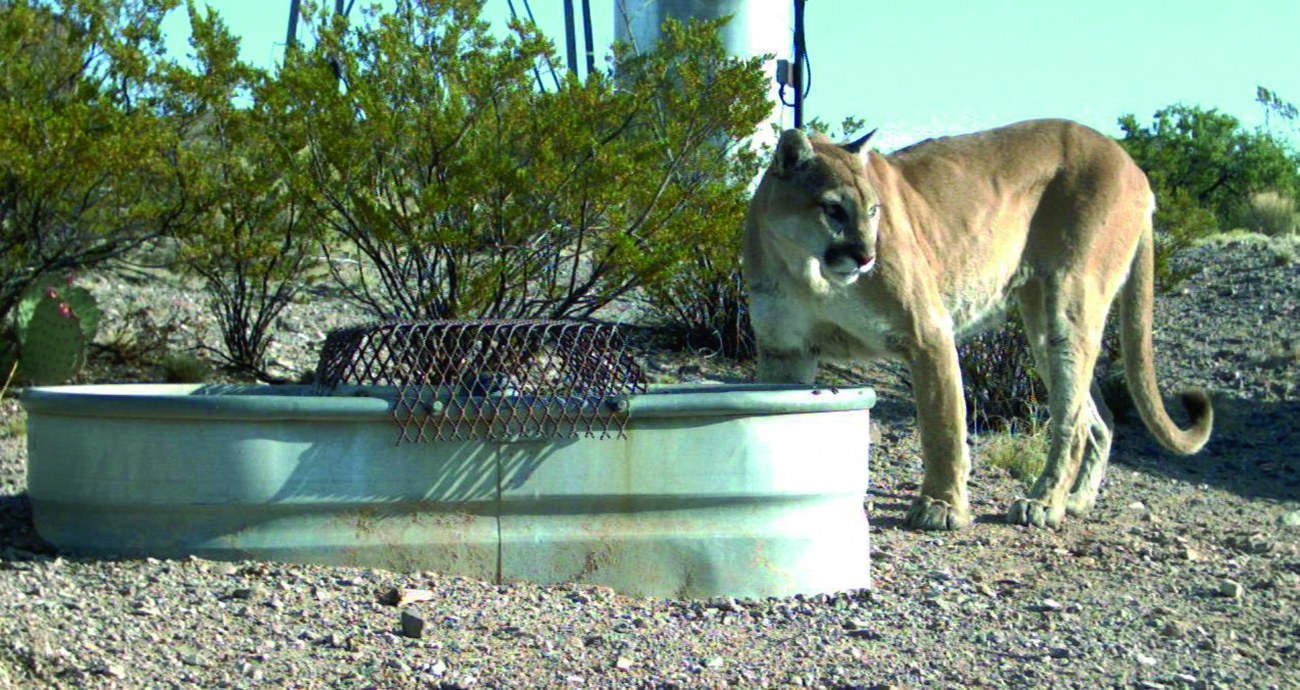
The following morning, his brother asked what was wrong. The two retraced the route on the mules and, Samson said, found a dead mountain lion beside the trail. His explanation for the previous night's terror changed with that discovery. Without the return trip, he said, he would have continued to believe he had seen a ghost.[1]
That ending gives the story its lasting appeal. Samson preserved both versions: the supernatural explanation that seemed convincing in the dark and the animal he believed accounted for it the next morning. The frightened traveler and the older storyteller understood the same journey differently.
The man who told the story
A later obituary gives the storyteller a face and a place in Oakland’s history. The Oakland Independent and Republican pictured Samson on its front page on August 30, 1940, reporting his death that Tuesday at ninety-one. It dated his arrival in the area to March 18, 1868. He had come by covered wagon, worked briefly for John Oak and taken a homestead in the Salem district southwest of Oakland that same year.[3]
His working life included farming, hauling freight between Oakland and Omaha, and auctioneering. After moving into Oakland in 1901, he helped found the Samson-Swanson Lumber Company. Those details identify an experienced traveler and longtime resident of the region where he set his remembered journey. The obituary documents his life; it offers no independent confirmation of the nighttime encounter.[3]

A remembered journey, with a few unanswered questions
Dewald's article places Samson's homestead four miles west and two miles south of Oakland. It does not identify the spot where the team stopped, supply a date for the trip or offer an independent account of the animal. We can follow the story Samson told without turning it into a documented haunting or putting a marker on an unverified location.[1]
There is even a small puzzle in the publication date. The journal bears an April–June 1934 issue date, although Samson's address took place that August. The historical society's later catalog explains that the issue was printed in February 1935. The August date belongs to the retelling, not the nighttime encounter.[2]

For an October evening, Samson's story has plenty of atmosphere without an invented apparition. Its most revealing moment comes after sunrise, when he went back to look.